OB-SESSED WITH OB
Explore the intriguing imaginative art of Ob
Read MoreExplore the intriguing imaginative art of Ob
Read More
New York City. Hustle and bustle. Traffic. Honking cars. Pedestrians rushing by. A concrete jungle that can swallow you whole.
But what if you could use all that concrete to help you pause? Take a breath. Slow down and let yourself drift away for a few fleeting moments. With The Drift, the show currently running at The Shed, you can.
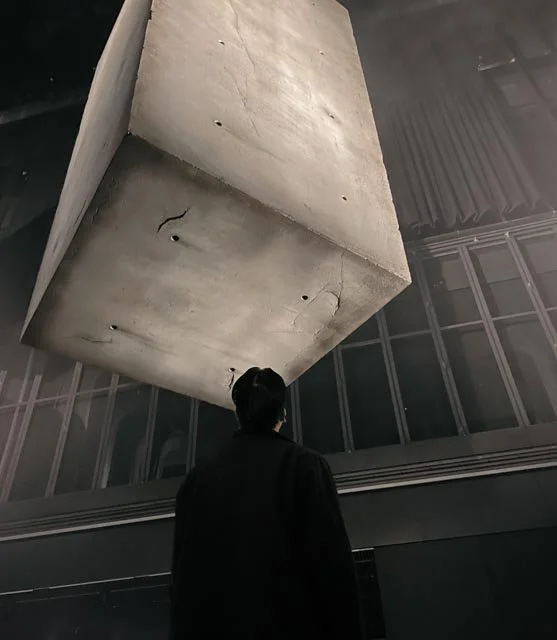
The Drifters are, without a doubt, the main attraction in Studio DRIFT’s art installation currently on display at The Shed in New York’s Hudson Yards. The giant concrete blocks that float effortlessly through the air have been intriguing audiences ever since the Pace Gallery brought one to the Armory Show in 2017.
Designed to float and move at slow speed on a controlled three-dimensional path, The Drifters are meant to provoke thought. The studio founders Lonneke Gordijn and Ralph Nauta put it perfectly: “On its own the concrete block is nothing, lost in space and time without reference to anything; it is always searching to be part of something bigger. Drifter wants to make people feel that without context they are lost. Without context, the object feels alien, divorced from its source. Drifter shows how unknown the world and its mechanisms still are to mankind and emphasizes the urge to expand our horizon and evolve in time.”

And they do just that at the Shed. Once you’ve made your way through the other parts of the show (more on those later), you'‘re asked to pause briefly in the waiting room. Here you’re treated to a couple of short films: one showing The Drifters levitate across the world, making their way over verdant highlands, weaving through forests and reflecting in the rushing water of mountain streams below. The other movie hits closer to home: The Drifters navigate the air above Manhattan’s busy streets. Now you’re primed for the “performance.”
The curtain lifts and you make your way into the massive space with several Drifters hovering in a perfect line above your head. Some people sit down, others stretch out on the concrete floors. Lights dim, music starts and The Drifters above you start moving. A forward slide here, a spin there, coming closer and closer until you feel you can touch them, only to have them pull away just out of reach. It’s mesmerizing and it takes some discipline to put the camera away and just enjoy the moment. I loved it.

The Drifters are the main draw, but visitors would miss out if they did not stop in the room that showcases another Studio Drift installation, Ego. Introduced in 2020, “Ego” is a kinetic sculpture made out of translucent mesh fabric that morphs, inflates, floats, stretches and collapses, only to lift up again a few moments later. The founders see it as a representation of our hopes, truths and emotions that evolve along with our own mind. Linger, ponder and see how your own belief system works. Is it rigid, or is it fluid?
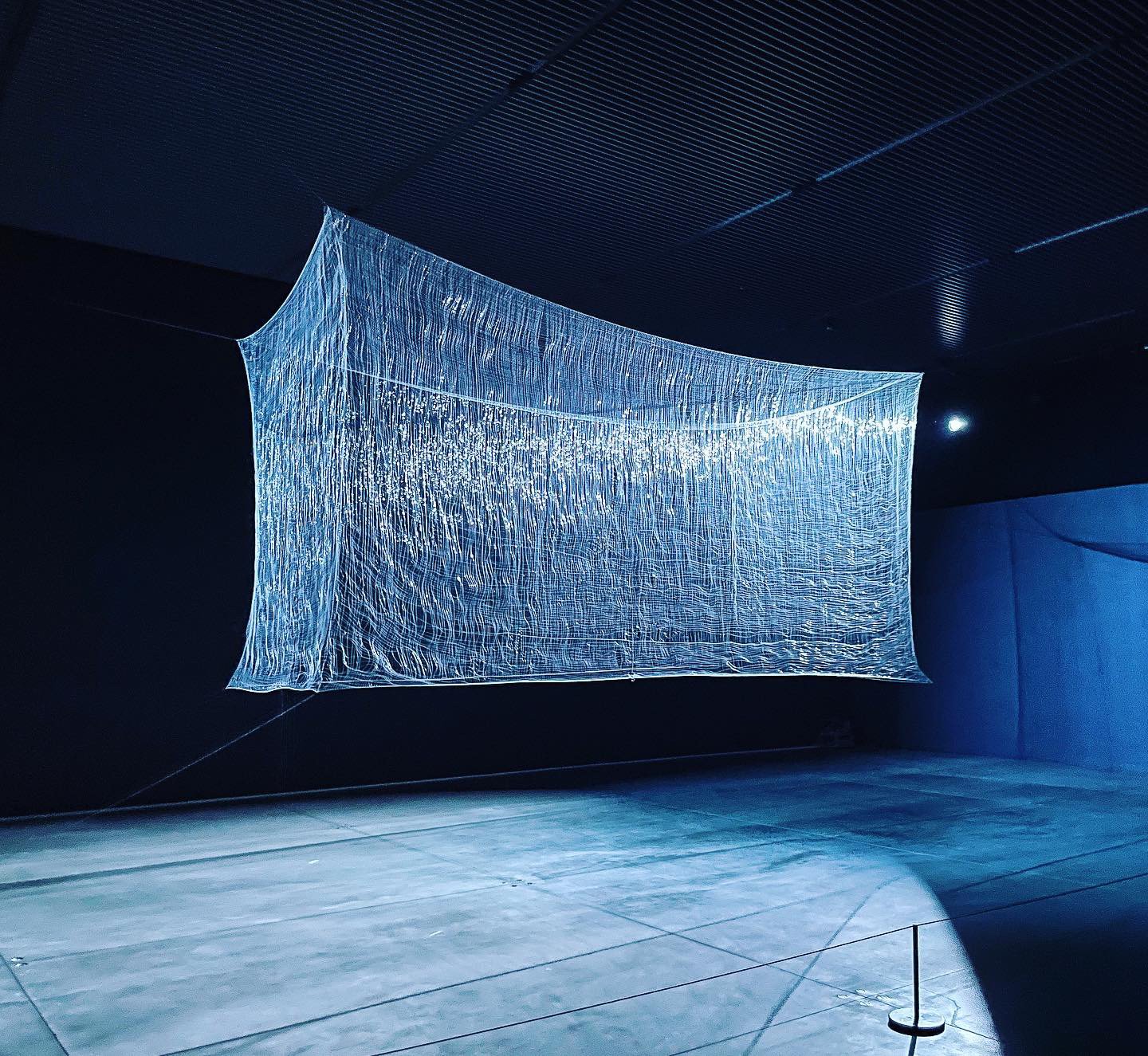
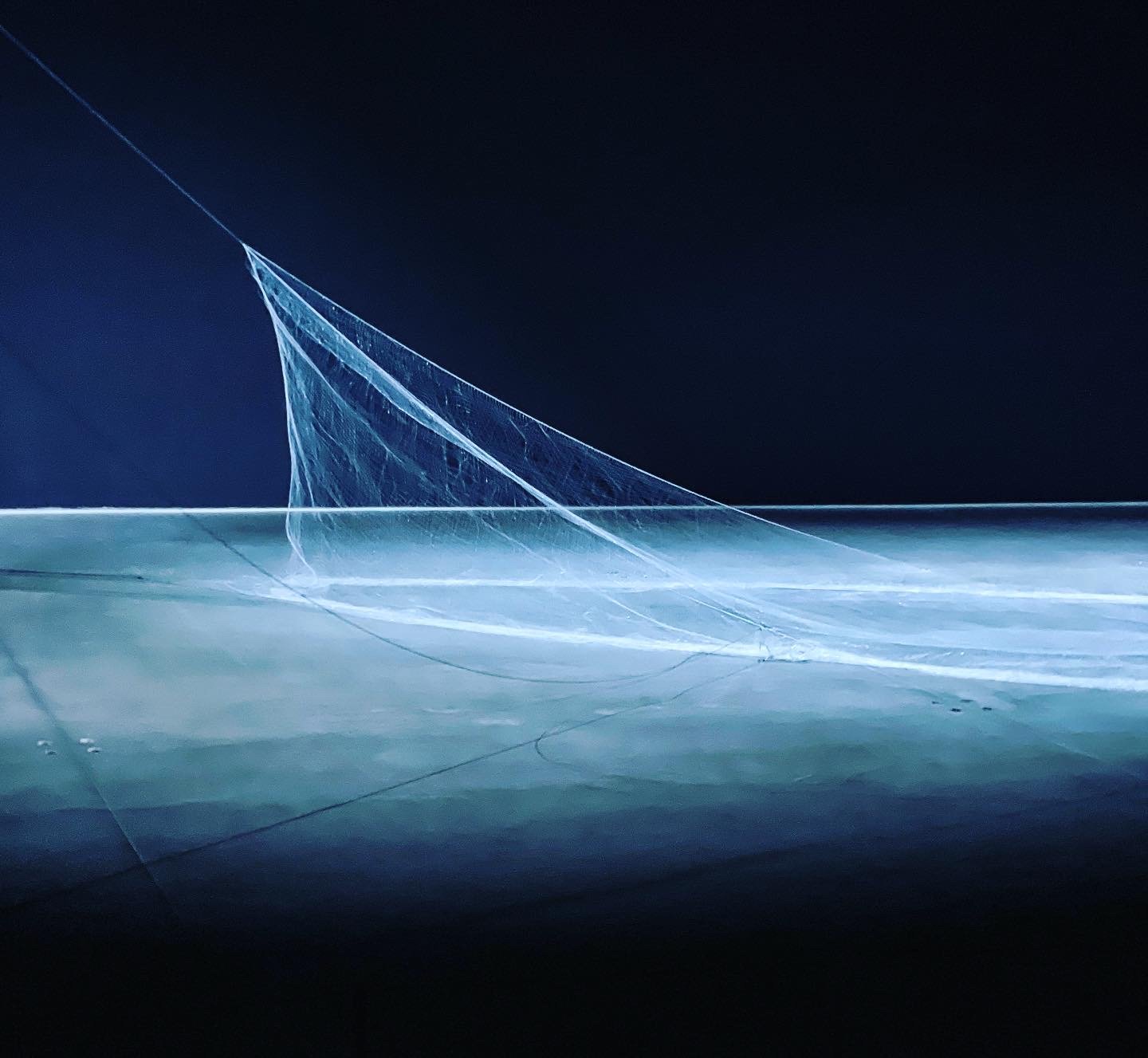
The Drift is on display at The Shed in New York City through December 19.
Studio DRIFT was founded by Dutch artists Lonneke Gordijn and Ralph Nauta in 2007. Based in The Netherlands, the team focuses on creation of experiential sculptures, installations and performances, combining hidden properties of nature and technology to help humans re-establish their connection to the Earth. Their work has been shown at Victoria & Albert Museum; Met Museum; Stedelijk Museum; Biennale di Venezia; Pace Gallery; and now at The Shed in New York City.

Reka Nyari: Effect Papillon
Those who know me, know my love of photography and portraiture. My admiration for those who look into the viewfinder and find the perfect moment, the perfect pose, the perfect silhouette and capture it for all of us to enjoy is a well established fact.
What many of my friends would not expect is an article where tattoos play a rather prominent role. If you asked me, I would not expect that, either! But then you come across an example of this body art in its most elevated, beautiful form and you make an exception. Reka Nyari is one of the artists whose work fits into this exceptional category.
How does one go from Finland and Hungary to spectacular ink photography? In Reka’s case the road goes through The School of Visual Arts and modeling. From there, it was just a quick step from the front of the camera behind the lens. From then, it’s and onwards to fashion, fine art photography and videography.
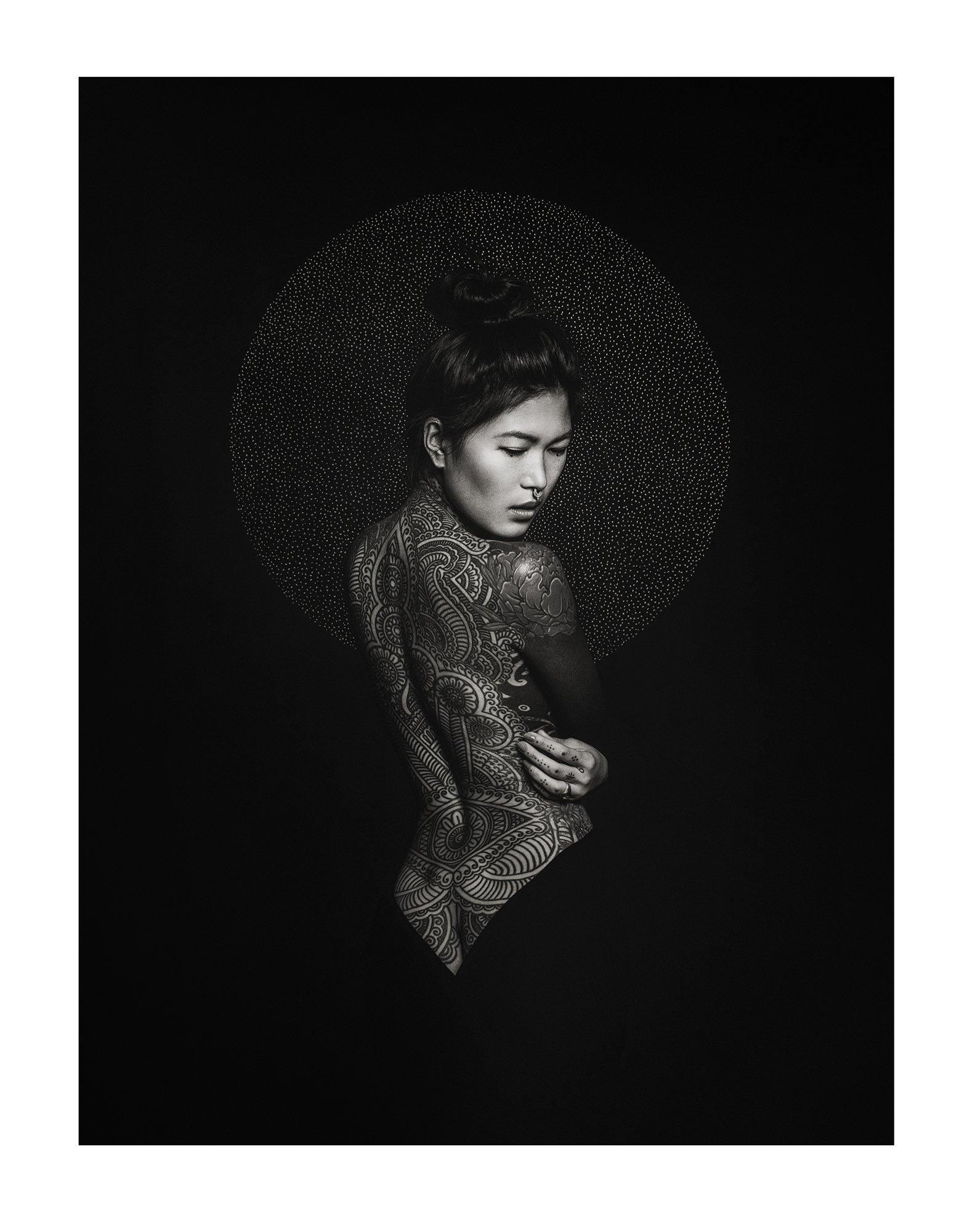
With the works of David Lynch, Helmut Newton, Miles Aldridge and Cindy Sherman as inspiration for her own work, Reka quickly developed a stunning photographic language of her own. Her striking black and white portraits of women often challenge the traditional ideals of beauty by bringing in extensive body decor while her posing of the model elevates the idea and remains captivating. Yes, there is nudity, but it almost feels like a side effect, not the main feature.
Those who want to only dip their toes into Reka’s fascinating world should take a peek at her stunning monograph, “Femme Fatale: Female Erotic Photography”.

According to the artist, this series creates an interesting juxtaposition - the symbolism of the Japanese geisha and the Yakuski, Japanese gangster, tattoos, Irezumju. Known for the painful process required to get this type of tattoos, they are seen as a symbol of the recipient’s bravery - but also their insubordination. Not what you’d associate with the the much calmer image of a geisha.
The latest series of this artist (and probably my favorite series from her work to-date) takes the idea of tattoos even further. Here, Reka takes the large scale portraits and makes them one-of-a-kind by “tattooing” each one - perforating patterns into the photographic prints. The result is a beautiful contrast: bold tattoos presented with distinctly feminine poses and enveloped by dreamy greenery and delicate botanical patterns, swirls and circles. Destruction, made beautiful. Or as the artist calls it, “ink, cubed.” I absolutely loved it.
The Reka Nyari show is on at the Fremin Gallery in Chelsea and it closes soon. Do yourselves a favor and go see it.
Reka Nyari: Lune de Sang
A must-read for the contemporary art enthusiast visiting Paris. Top galleries to put on your Parisian itinerary.
Read More
The Eternal City. Yes. Rome is known for its history, its spectacular monuments, and enduring artworks by art geniuses of the past. Raphael, Caravaggio, Bernini, Borromini, and yes, the unforgettable Michelangelo whose work on Pope Julius II’s commission gave us the spectacular Sistine Chapel. If you love art history, Rome is the destination of your dreams.
For the contemporary art lovers among us, all it takes is a tiny extra bit of preparation. But you too can fall in love with this beautiful place. So, let’s explore together, shall we?
I dare you not to fall in love with this gallery. An unassuming neoclassical building just a few steps away from the fab Villa Borghese park, the gallery had my heart from the moment I stepped in. Generously sized rooms that let the art breathe, large skylights that bring in lots of natural light, and a small courtyard with greenery to blend the indoors and outdoors in a way that just works. But that was only the beginning.
What I really loved is the way the art is curated here. A few well chosen antique pieces mixed in with modern and contemporary art, all beautifully and seamlessly blended together. Art placed in ways that show clarity of a curator’s purpose, with each piece standing out individually and ready for your attention, but also working together with others as part of the bigger idea of the entire room. Careful placement, playing with the location of windows, doorways and stairs to create varied vistas that draw your eye in. It is so well done and it is sure to bring a smile to your face.
Finally, don’t forget the special exhibitions. They are done with humor, creativity and imagination. Make this the one gallery that is a “must” on your list.
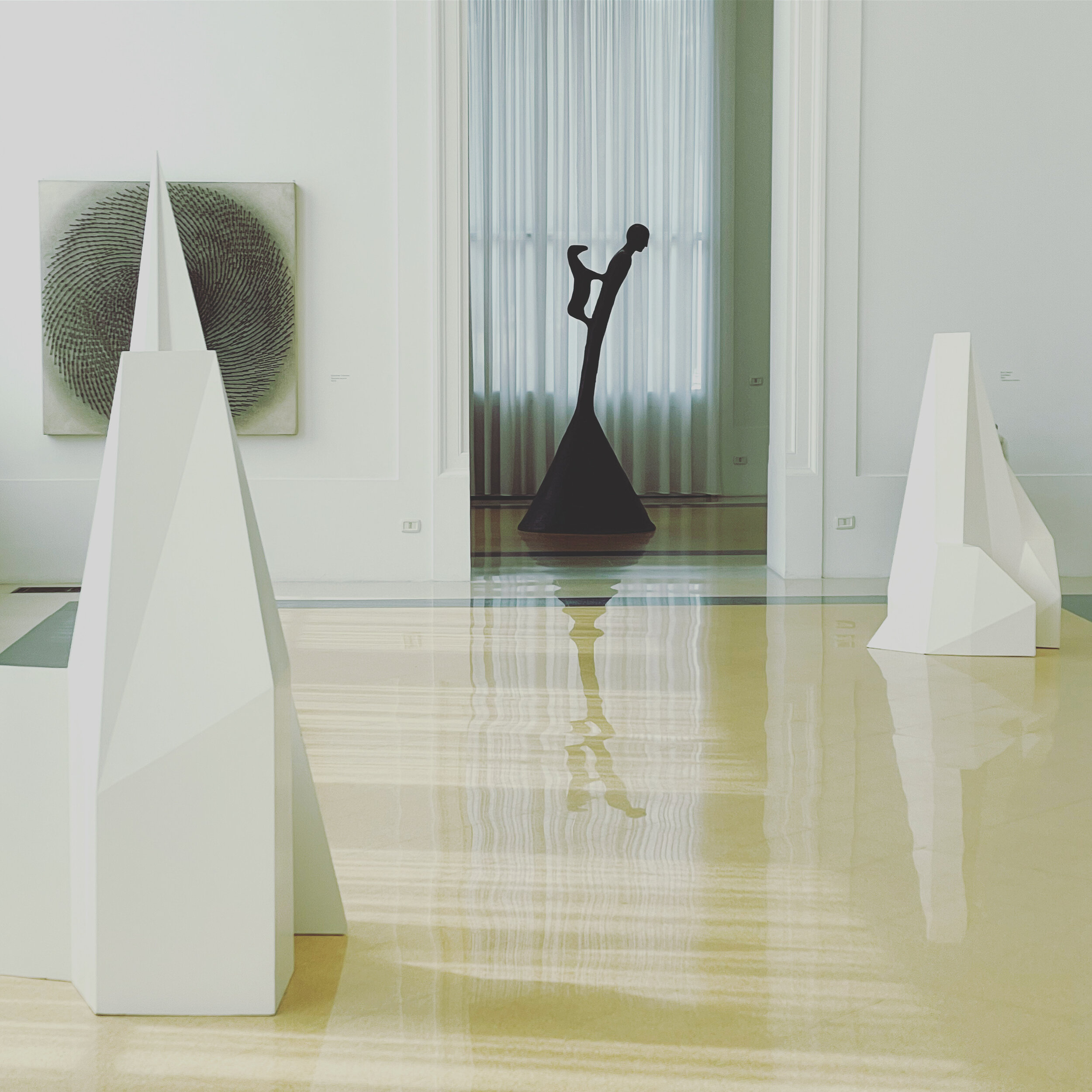
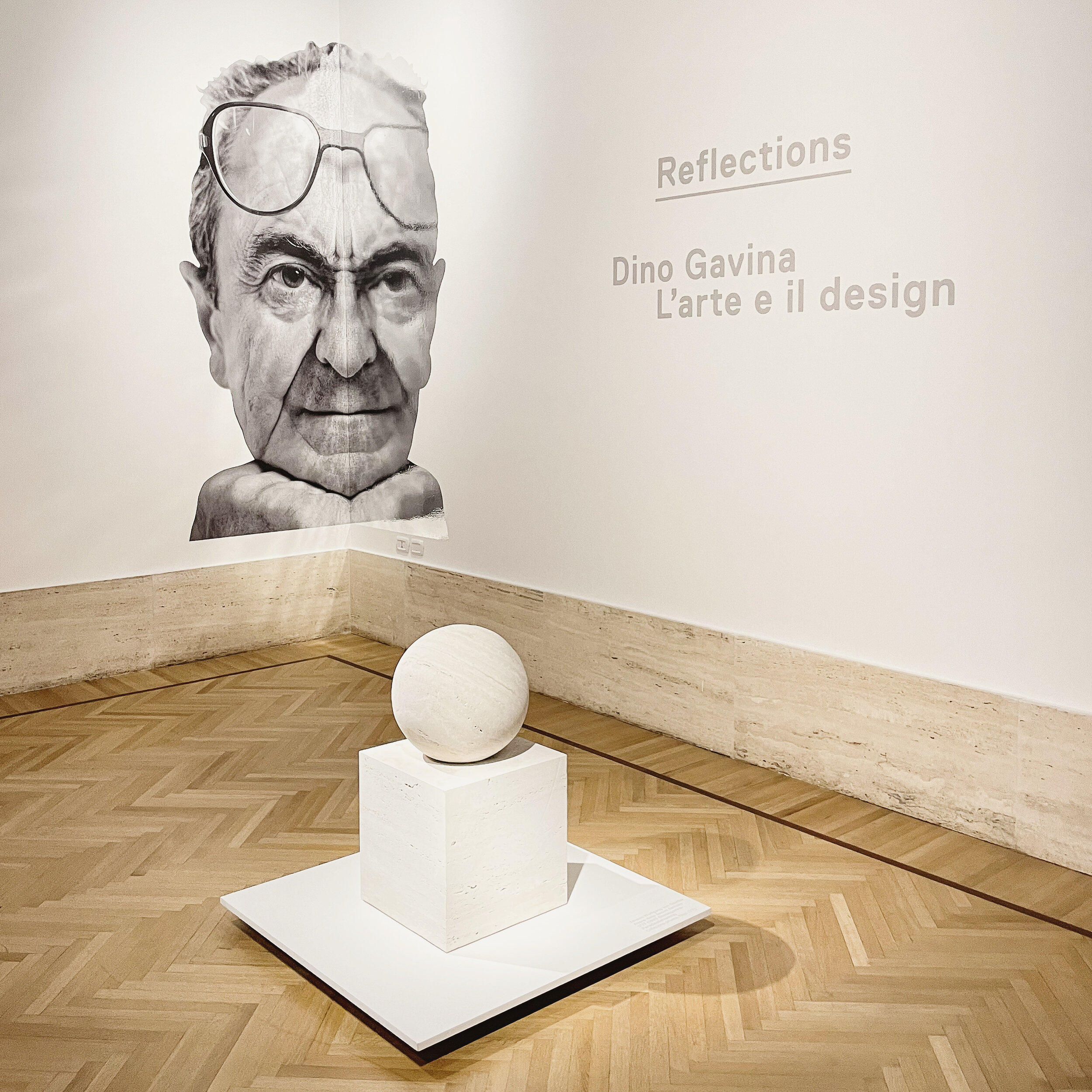
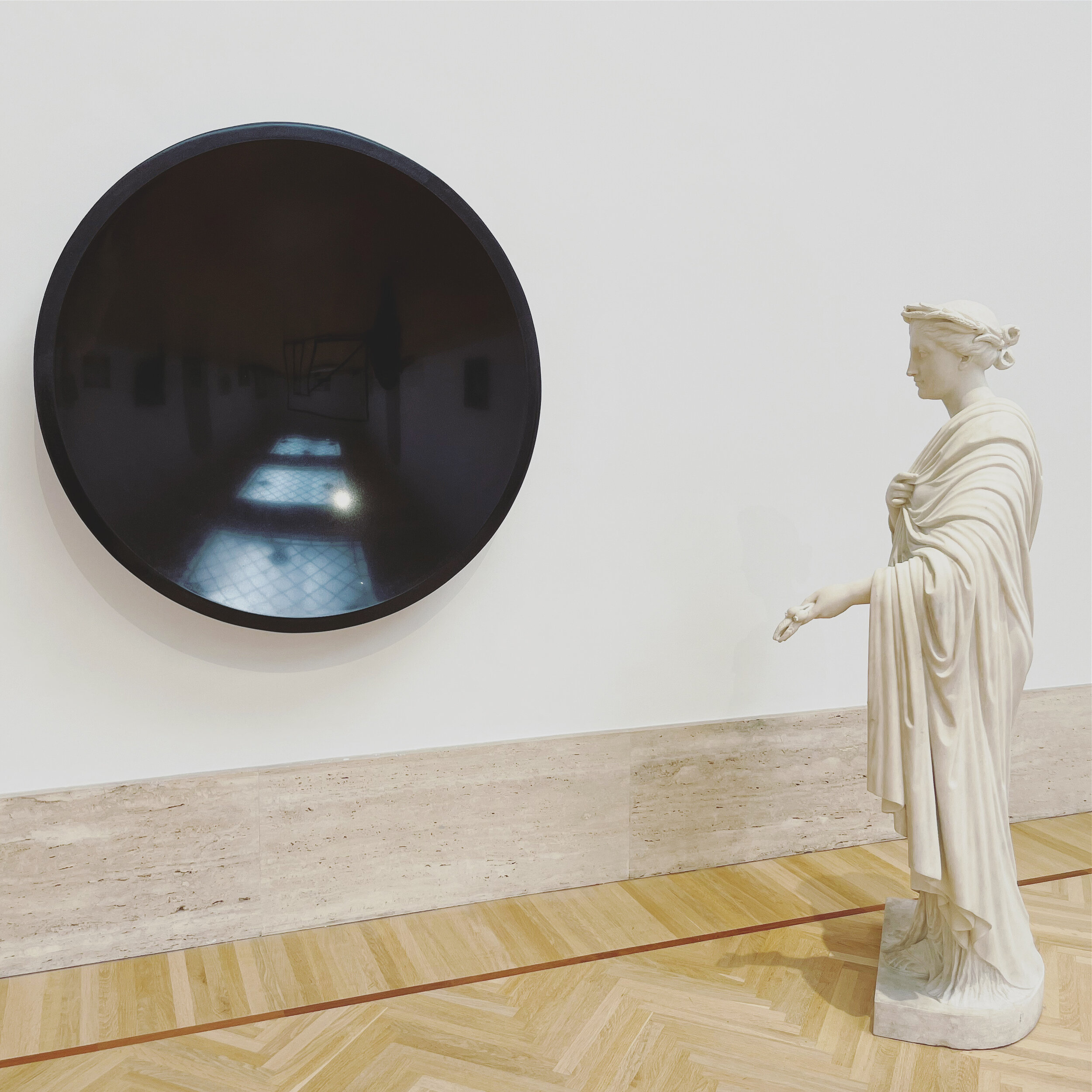
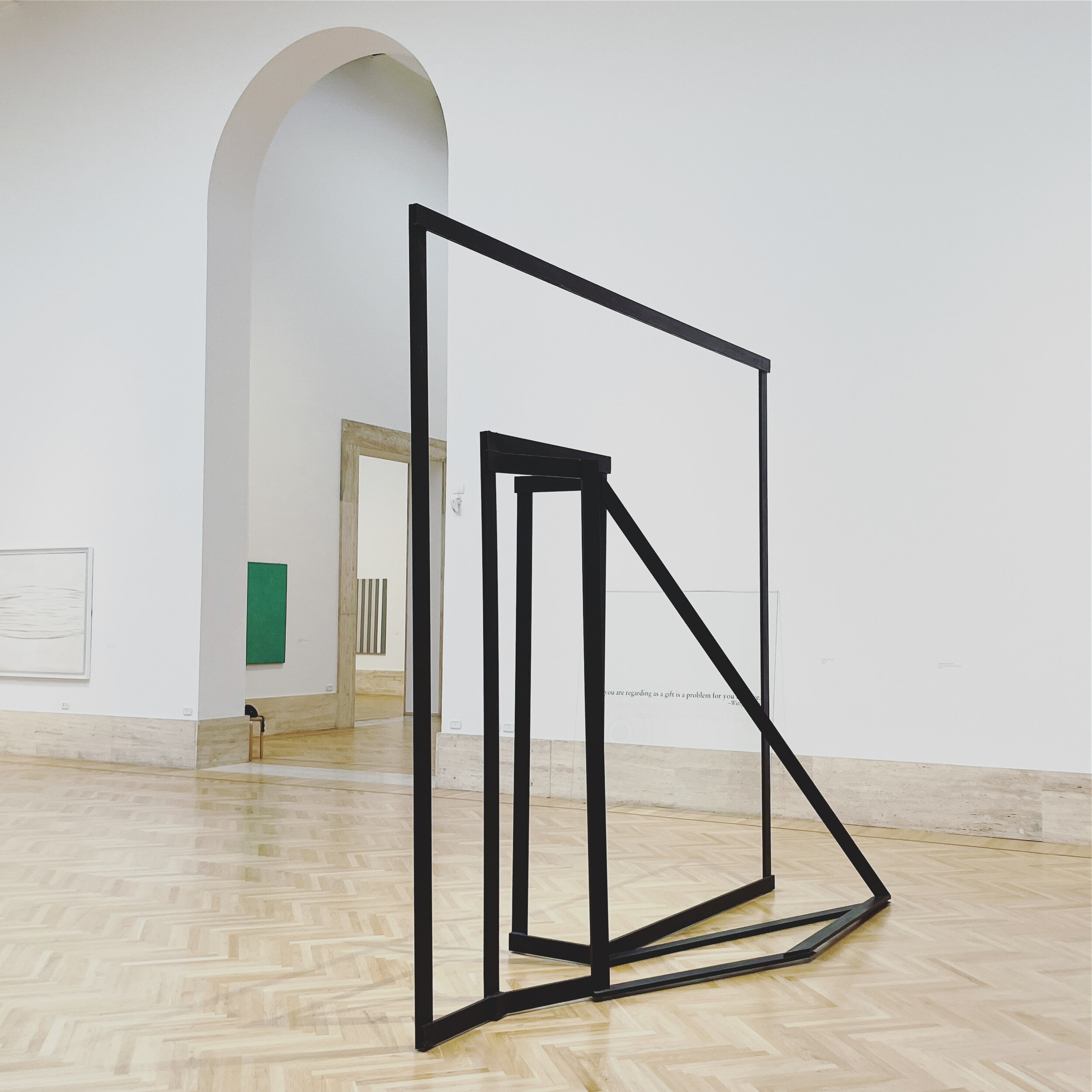
If your heart pines after conceptual art, this is the place for you. MAXXI (short for The National Museum of XXI Century Arts) has set an ambitious (and a little ambiguous) goal of becoming the first Italian national institution devoted to contemporary creativity. This is reflected in the programming and special projects and the workshops that the museum wants to focus on going forward.
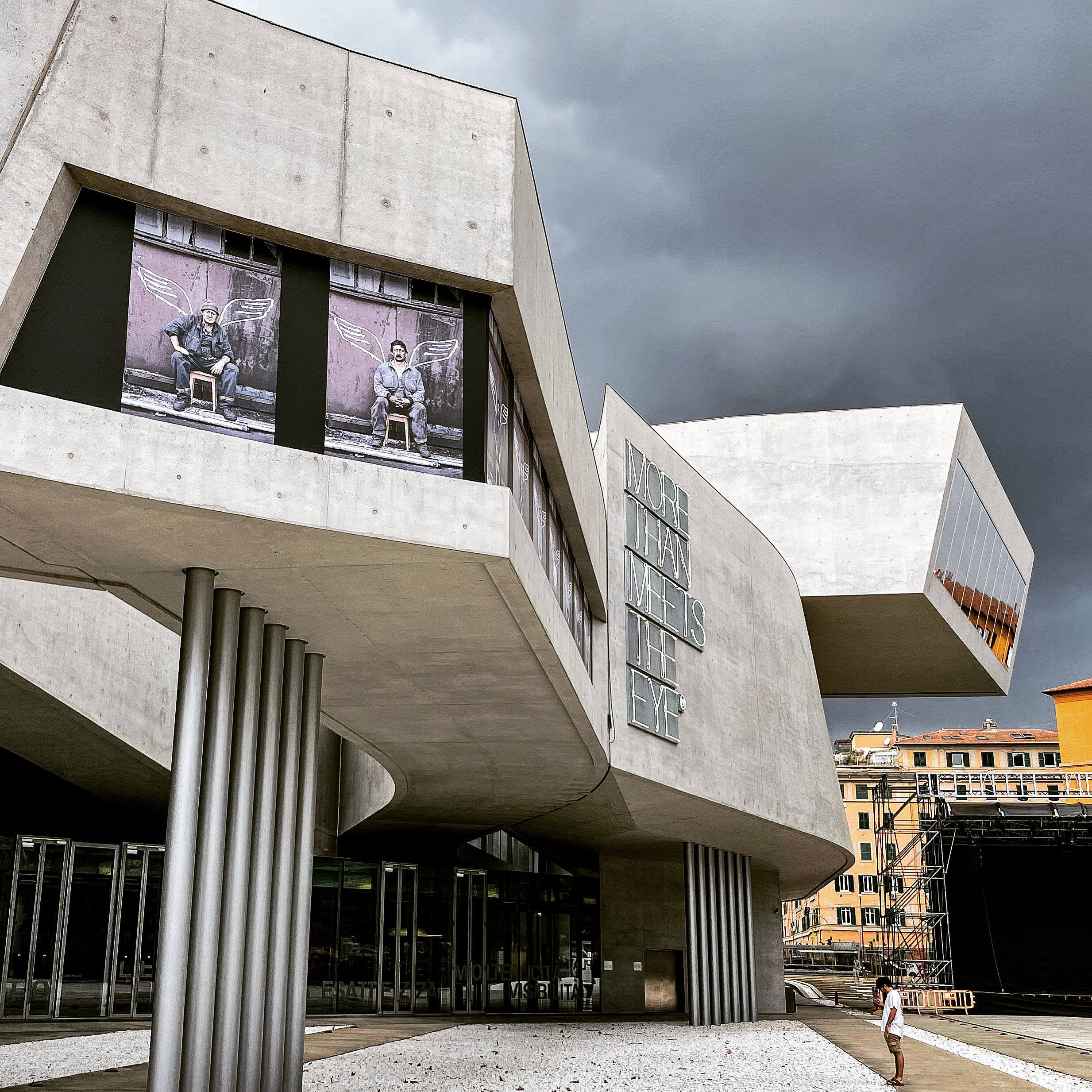
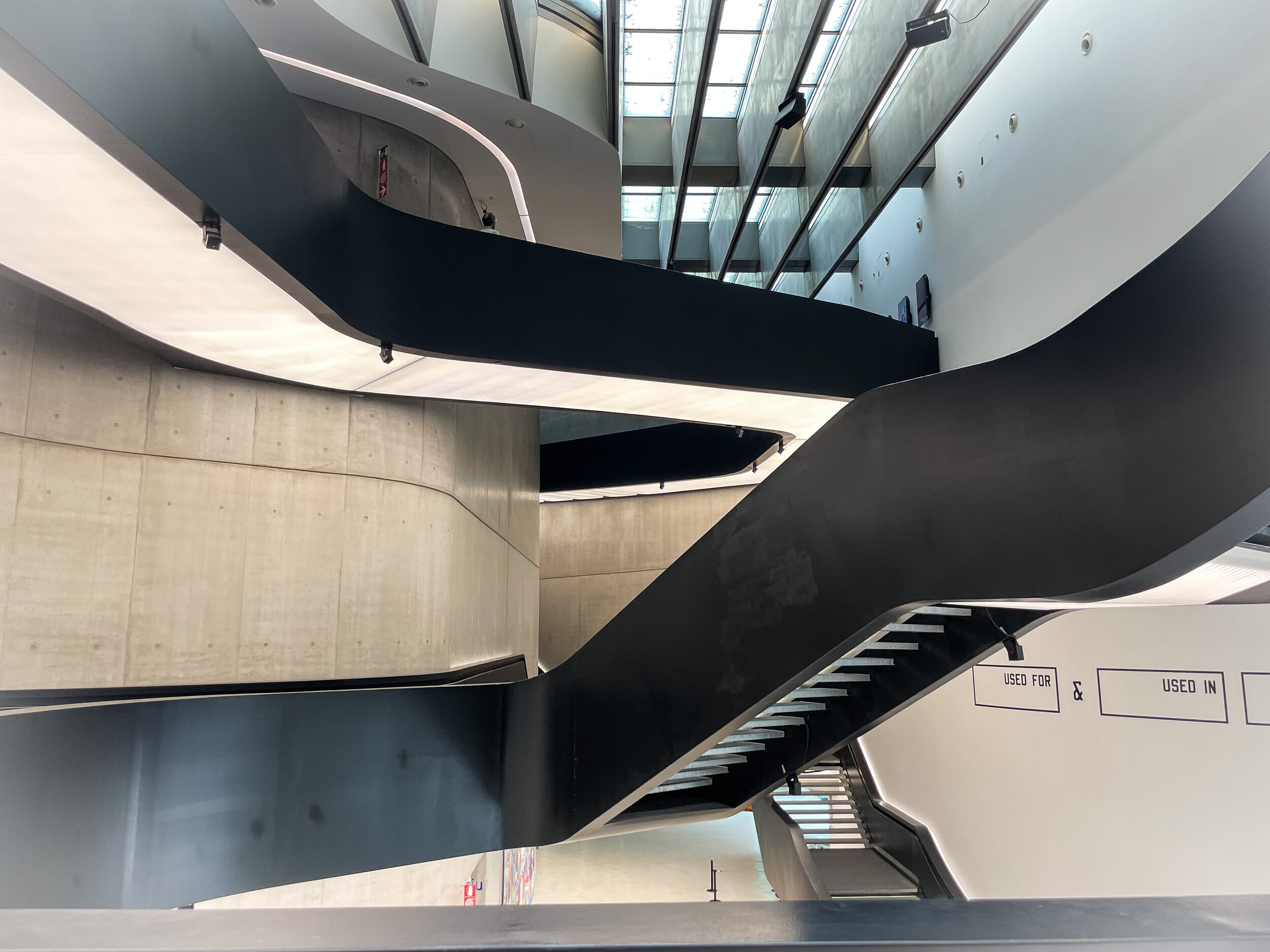
For me, the highlight of the visit was the building itself. Designed by Zaha Hadid, the concrete structure features her signature bold forms and undulating shapes outside and twisting staircases on the inside. Connecting multiple structures into one cohesive self, MAXXI stands out (while also blending in) in the more typical Flaminio neighborhood that surrounds it.
MACRO stands for Museum of Contemporary Art Rome, so you know you are in the right place. Built in a former Peroni brewery and warehouse, it was inaugurated in 1999 as the Municipal Gallery of Modern and Contemporary Art of Rome. It was subsequently redesigned to better suit the exhibition and performance space needs and reopened to the public in 2010. Make sure you check out the events and exhibitions that are on and don’t forget that the museum only opens in the afternoons.
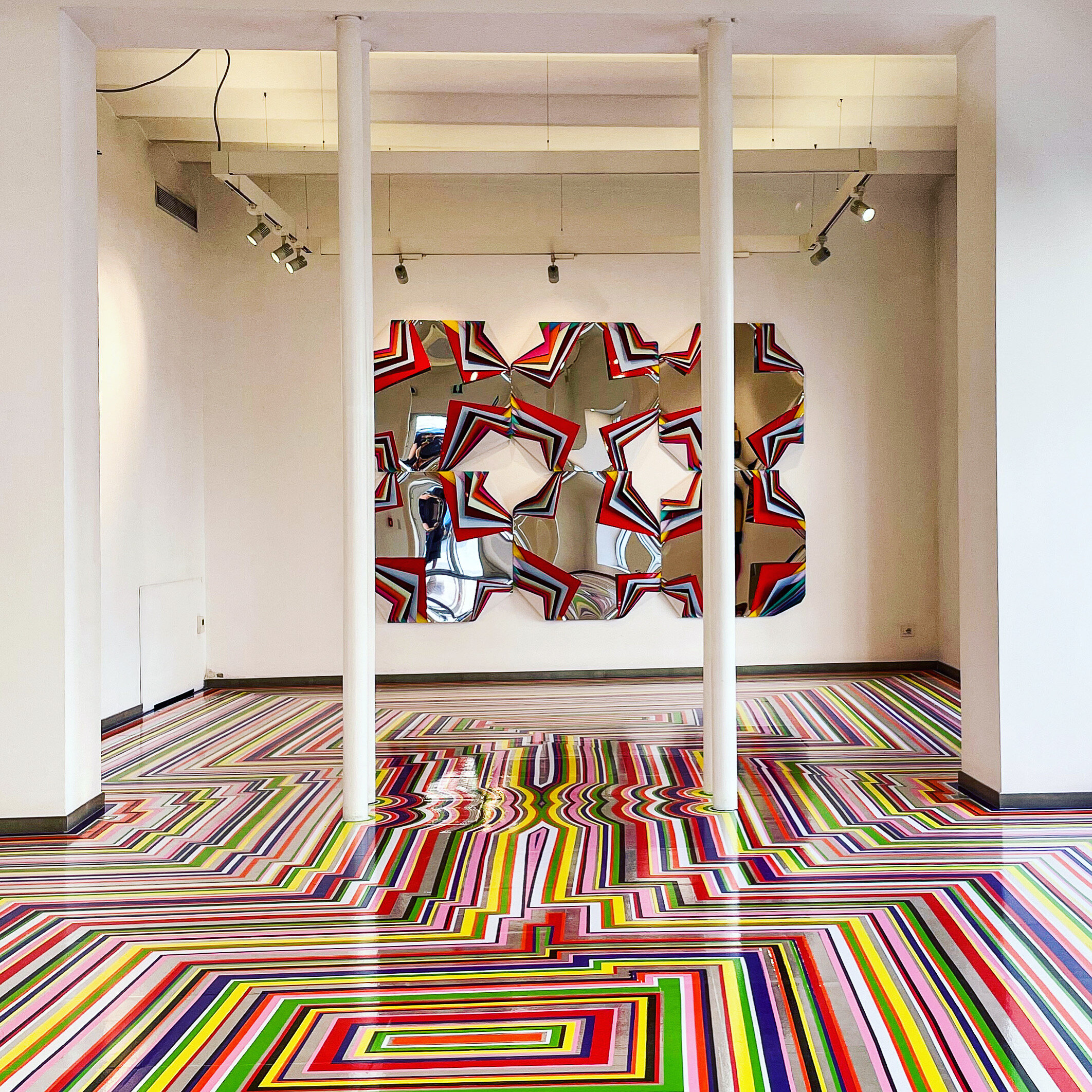
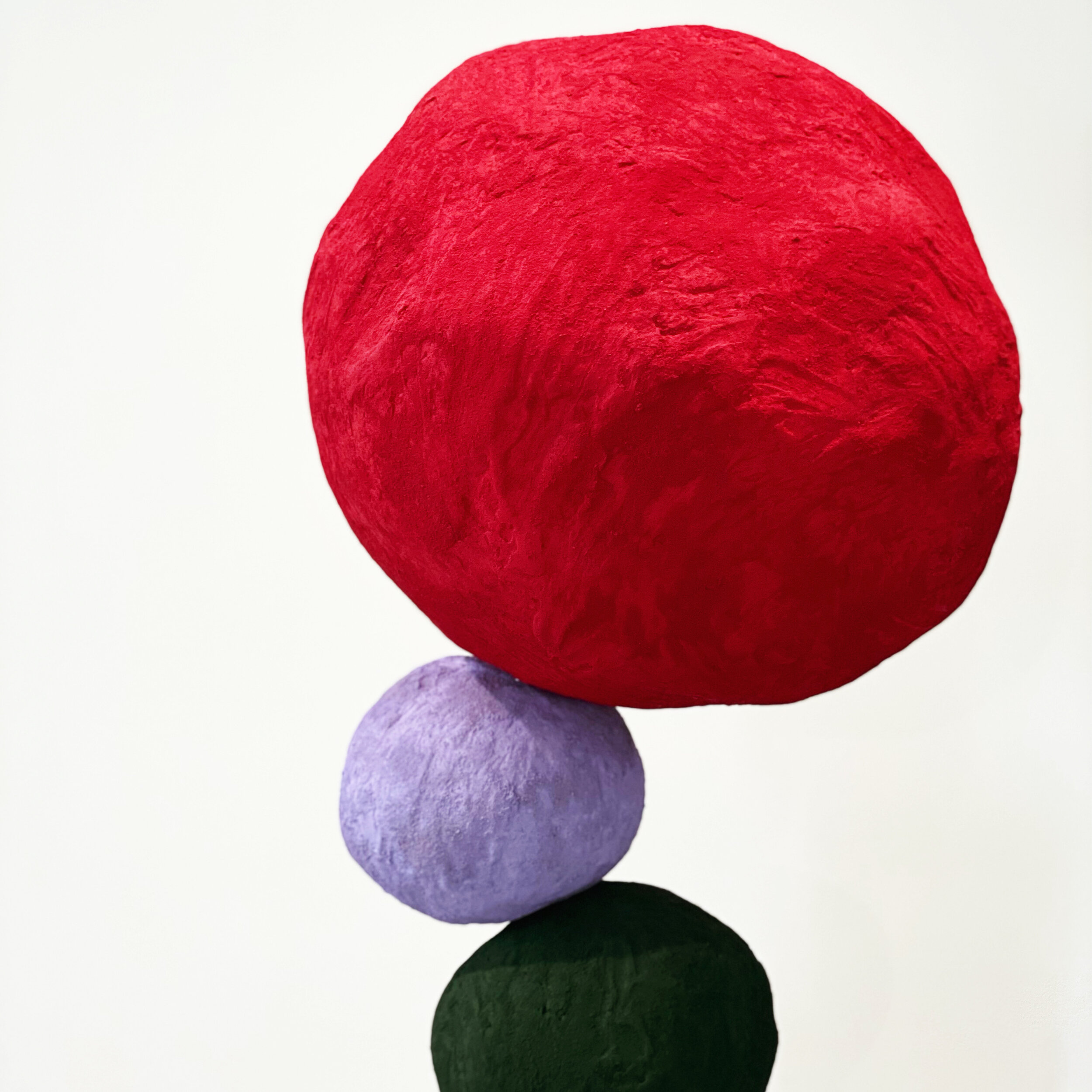
This was a random find! I passed by the gallery on my way home one evening and liked this small space enough to come back the next day. Three connected rooms provide the perfect white backdrop for the very colorful art by Jim Lambie that was on display during my visit. The gallery is right in the center of Rome so it is an easy addition to your itinerary.
Another good stop on your contemporary art tour is Lorcan O’Neill. The Irish-born gallery has been bringing avant-garde and contemporary artists such as Gary Hume, Anselm Kiefer, Tracey Emin and others to the eternal city and is worth a stop as well.

My focus here is mostly on finding contemporary art while you travel. But every now and then I will share hotels, restaurants or design shops that make the perfect destination for my fellow minimalist design and contemporary art lovers. This time, it is these two hotels:

Crossing Condotti
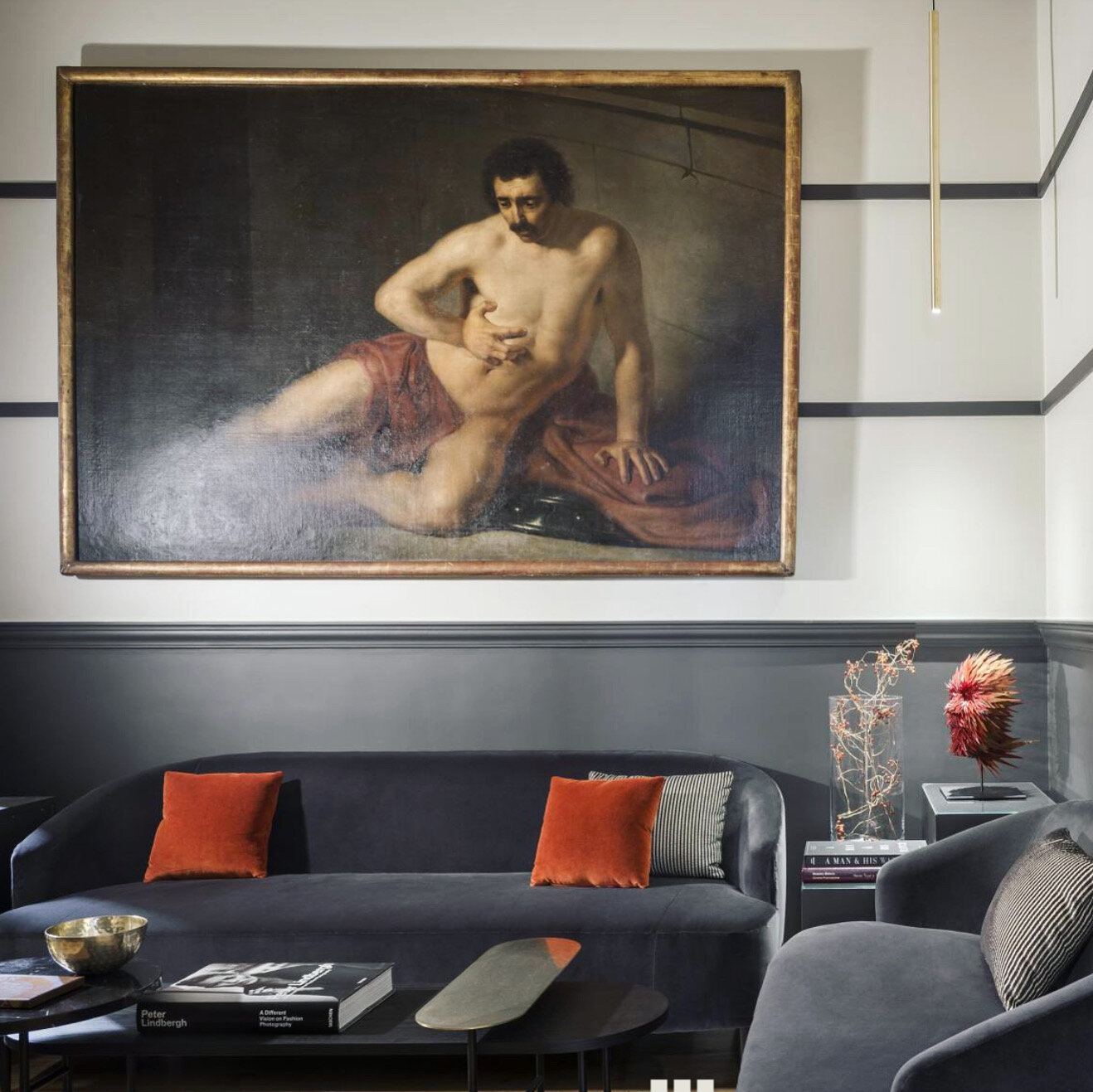
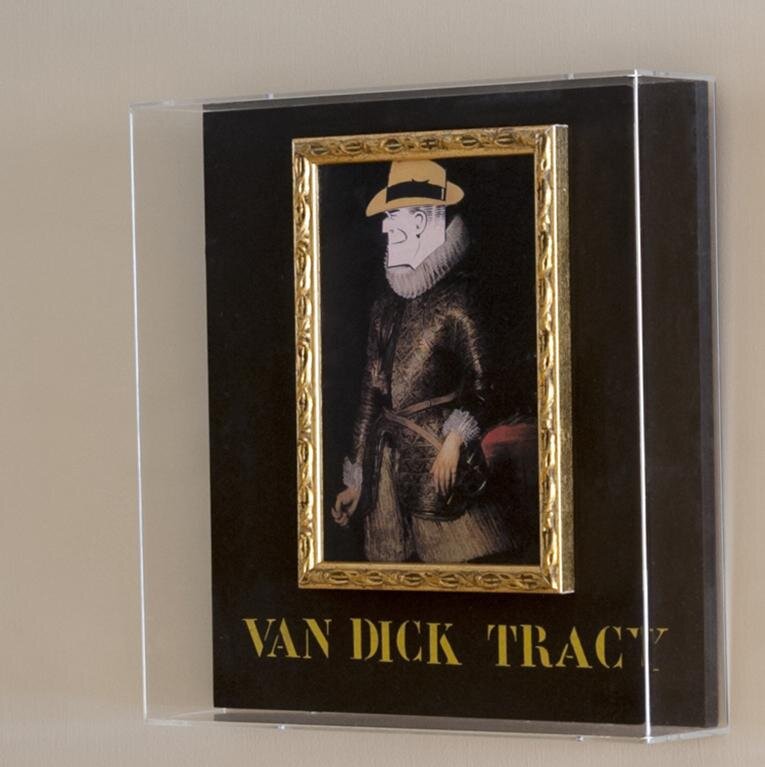
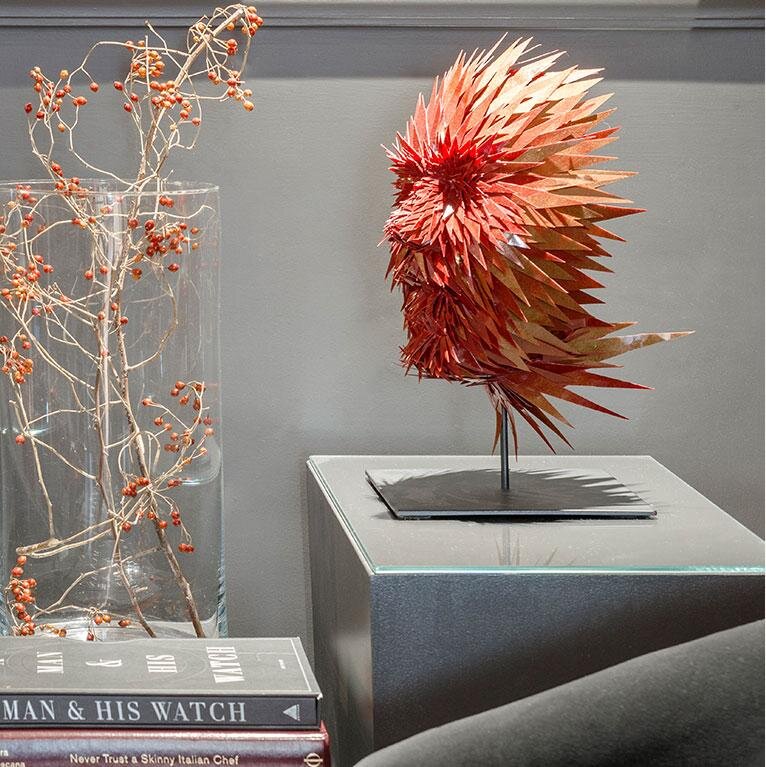
Hidden on a side street that’s but a stone’s throw from the Spanish Steps and the glam of Via Condotti, this tiny gem of a hotel makes you happy from the moment you step through its dark green doors. Each of its handful of rooms showcases carefully picked iconic design furniture and a mix of classic and contemporary art from artists such as Beatrice Spadea, Benedetta Mori Ubaldini, or Sergio Vanni. Design and art come together to greet you as you enter and to create an amazing backdrop for your entire stay. To top it off, the manager is great. A kind architecture buff, helpful and ready to make your stay a wonderful one.
Dei Barbieri hotel
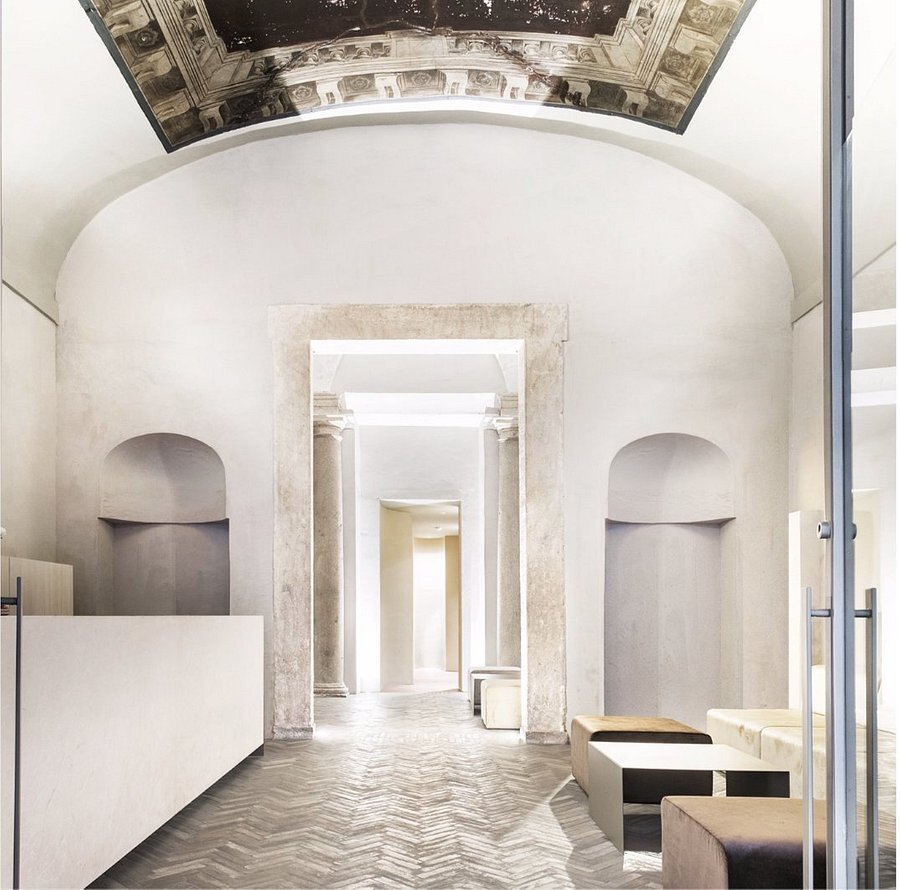
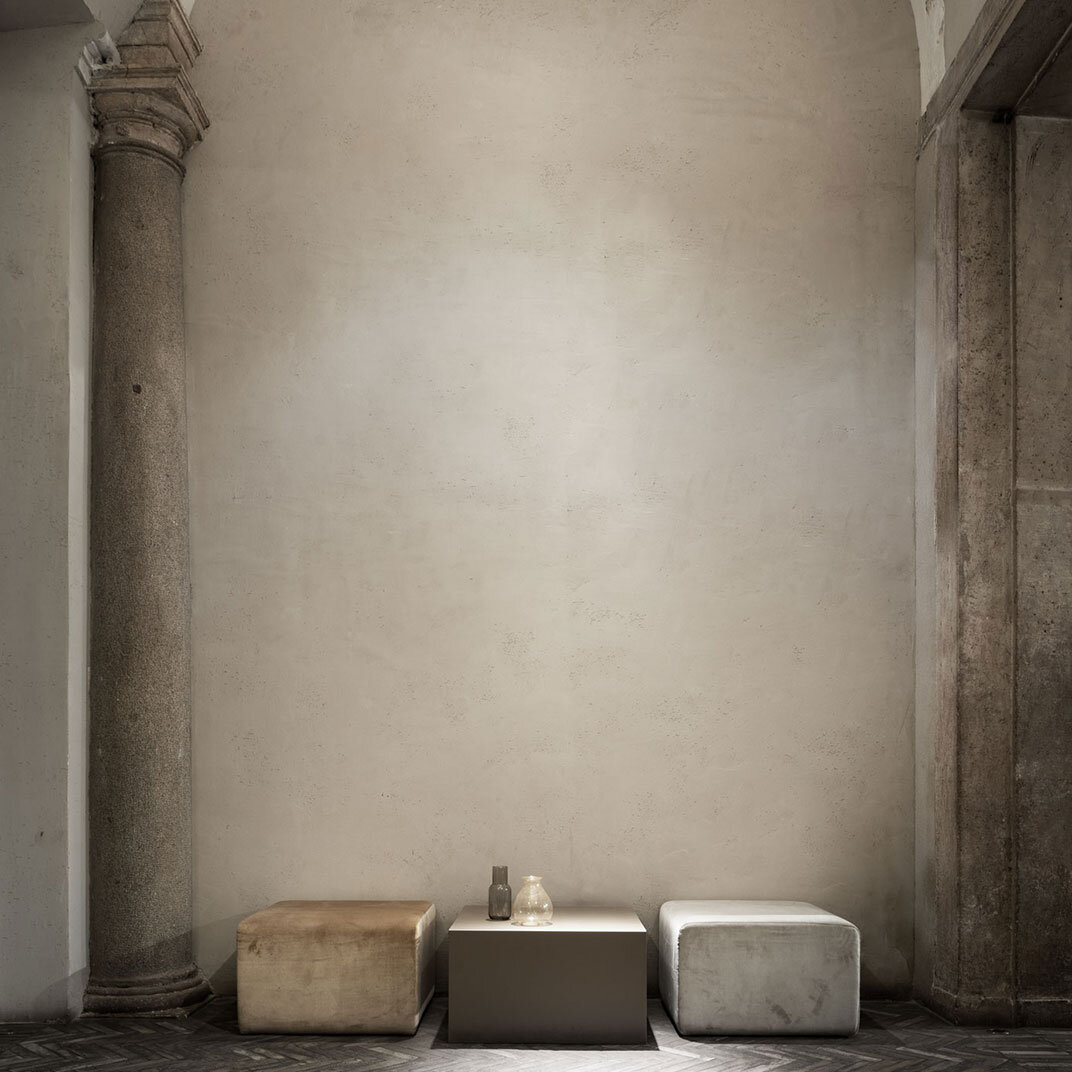
Do you want to stay in a palazzo that’s both grand and also utterly modern? Dei Barbieri fits the bill perfectly. Tucked away on a side street, the hotel is close to one of the gems of the millenia-old architecture: The Pantheon. For the aperitivo-loving crowd, it’s also not that far from Campo de’Fiori. The building is an impressive renovation of a 17th-century building, mixing and beautifully preserved dramatic period architecture with cutting-edge contemporary design.

With so much to see, a true Roman holiday always makes me smile. Arrivederci Roma. Baci.