THE BEST PLACES TO SEE CONTEMPORARY ART IN PRAGUE PART 2

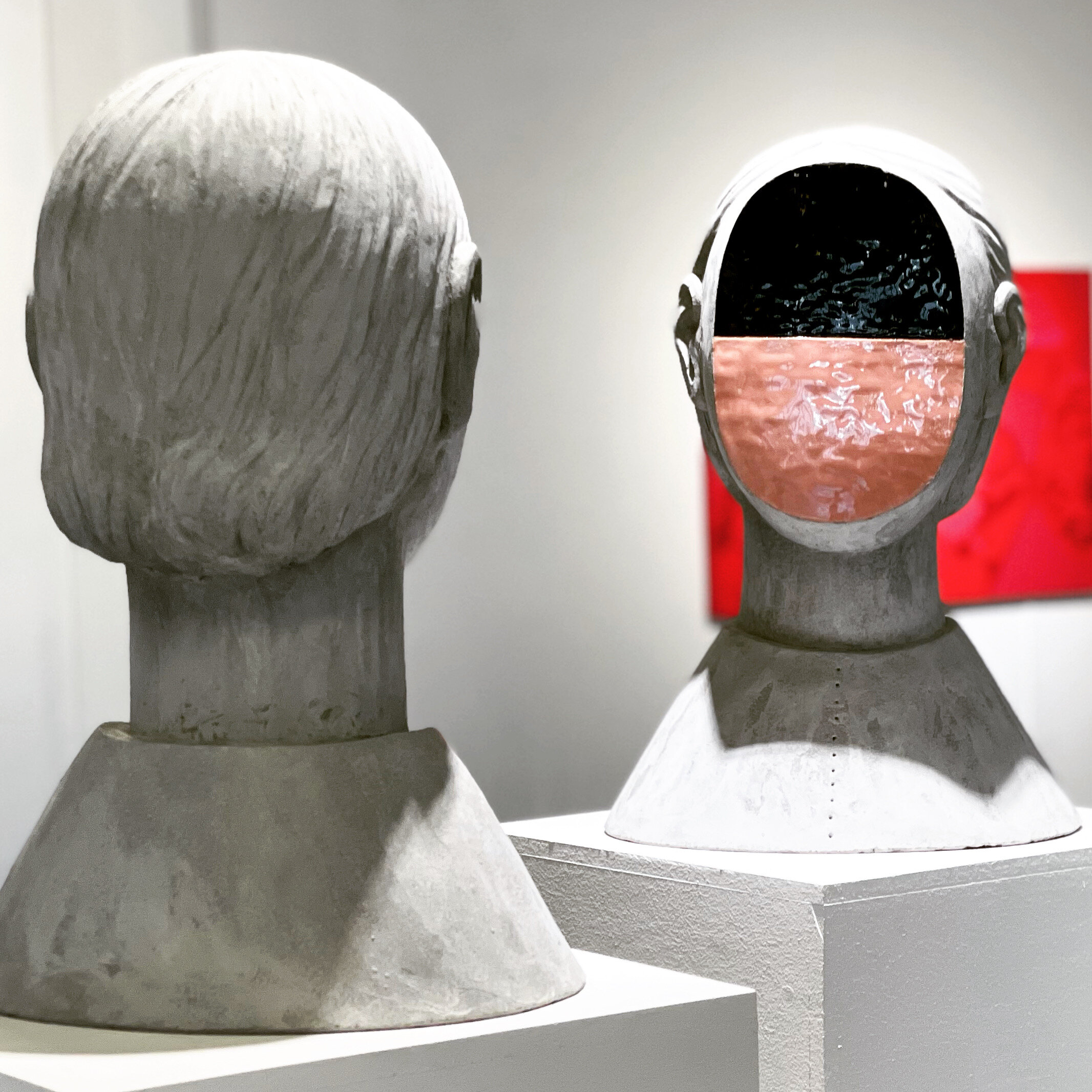
Erika Bornova sculpture

Erika Bornova sculpture

When I started writing about contemporary art in Prague, I quickly realized that I had more material than would fit into a single blog. So, contemporary art lovers, here is Part 2 of this mini series. Prague has so much to offer and I hope you can enjoy it as much as I did.

MUZEUM KAMPA

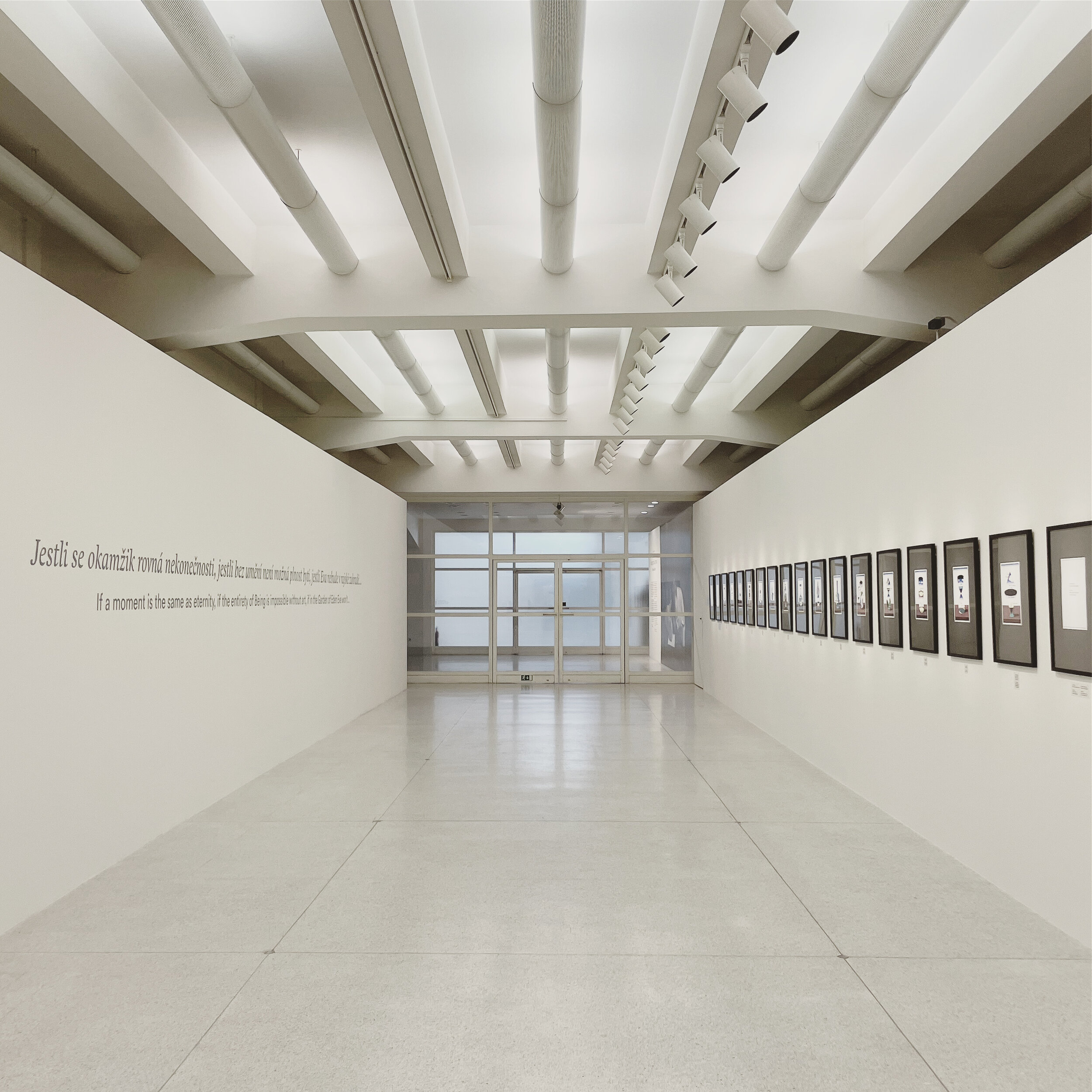
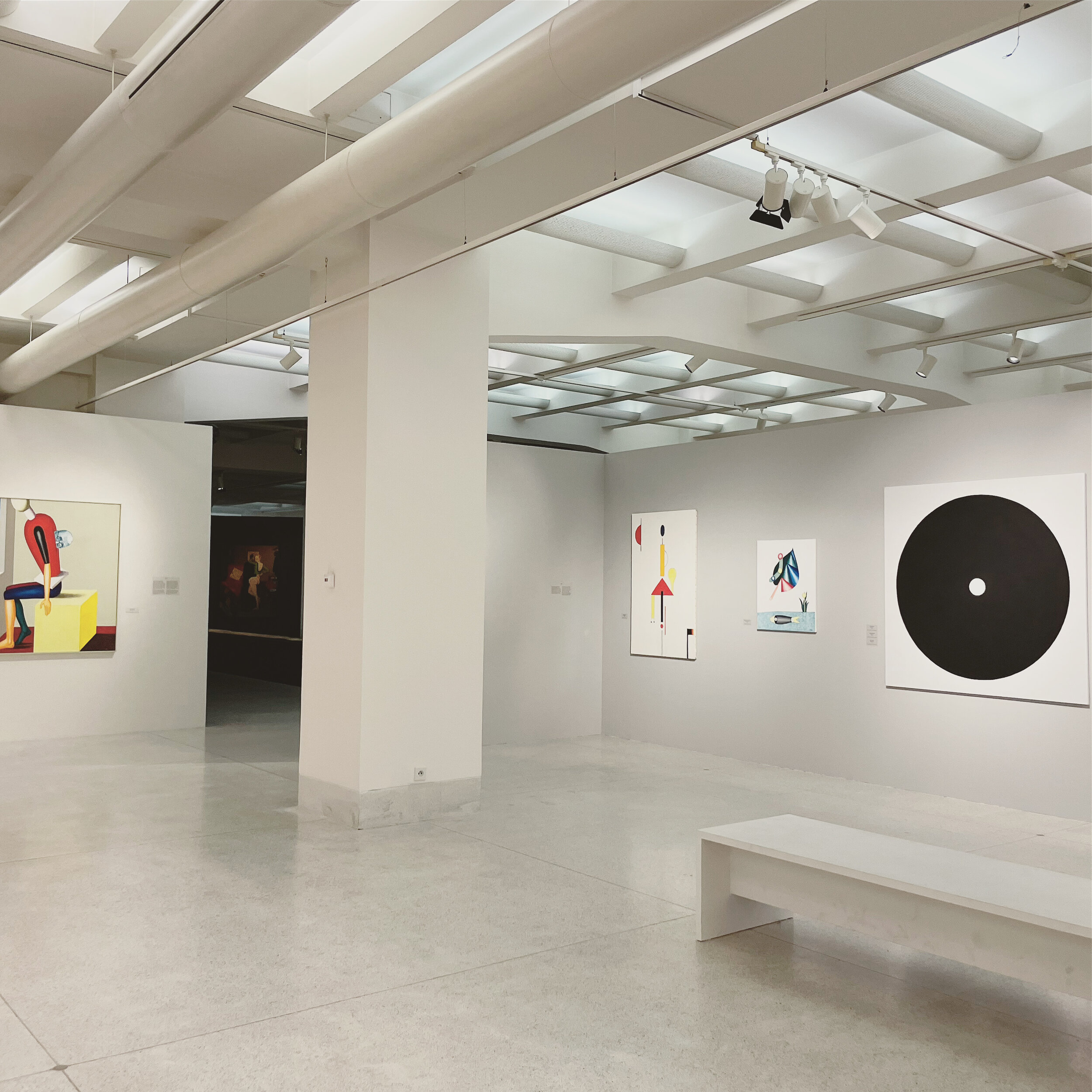
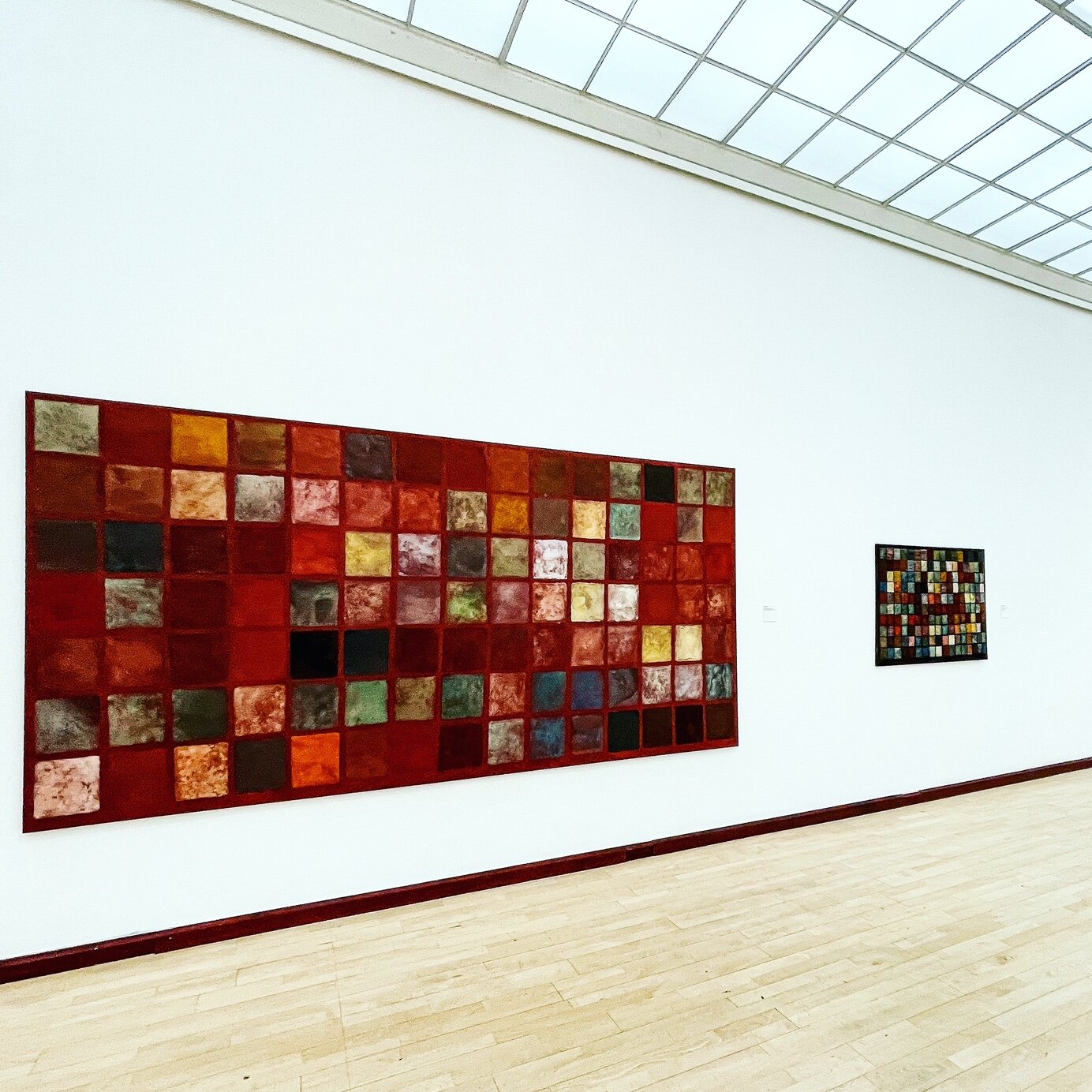
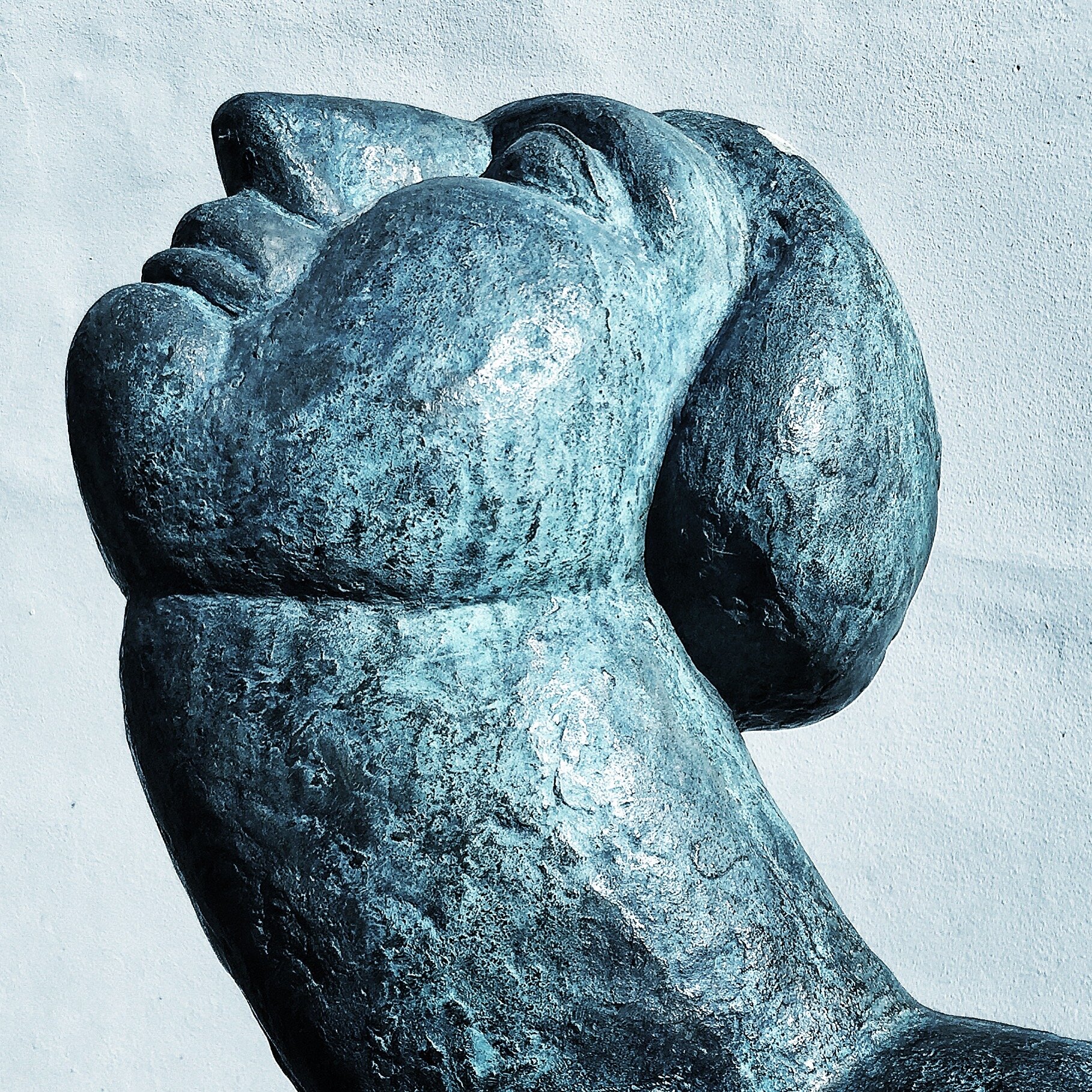
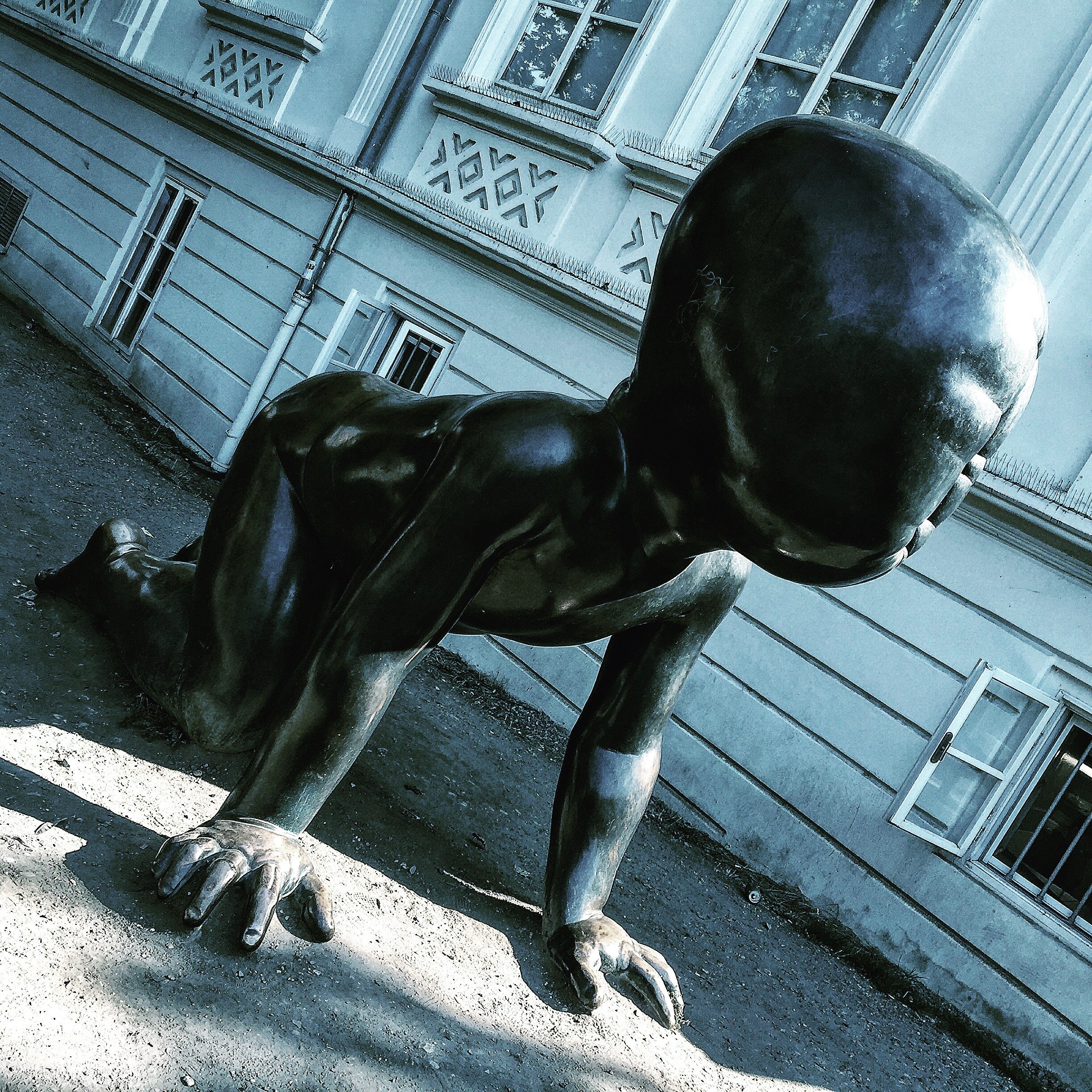
I have written about the Kampa museum before. It came into being in 2003 through the efforts of a Frantisek Kupka collector Meda Mládek. Today, the museum houses the Meda and Jan Mládek private art collection on the upper floors. The lower floors of the Sovovy Mlyny location on the Vltava river regularly host various modern and contemporary art exhibitions, including the works of a beloved Czech illustrator Kamil Lhotak (who just happened to live in the same building where I now own a place), a sublime sculptor and painter Karel Malich, Toyen (yes, the artist I profiled a few weeks ago), Czech street artist Pasta Oner, Alfons Mucha, Helmut Newton, Pablo Picasso, Eduard Munch, Oskar Kokoschka, Andy Warhol and many others. Even the outside of the museum is built to catch your eye: surrounded by David Cerny’s oversized babies on the Kampa Island, a giant chair right in the river and a darling lineup of yellow penguins walking right up to the museum cafe. You will know when you have arrived. Currently, the museum is showing the work of Jiri Salomoun who is known to Czech kids and adults alike from his Maxipes Fik children story illustrations.
KASARNA KARLIN - KARLIN STUDIOS GALLERY

Kasarna Karlin (the former army barracks) opened in 2017 with the aim of creating a cultural crossroads for people of different ages and walks of life. This is a multifunctional space (a coffee shop, a movie theater, a sand pit, a campfire pit, a bar, a club) rather than strictly an art gallery, though there is an art gallery on the premises as well. In the summer, it is a great place to grab a drink and explore the temporary art installation in the barracks large quadrangle. The onsite gallery, Karlin Studios, showcases the works of artists from the onsite artist studios in an effort to promote up and coming artists.

LEICA GALLERY PRAGUE
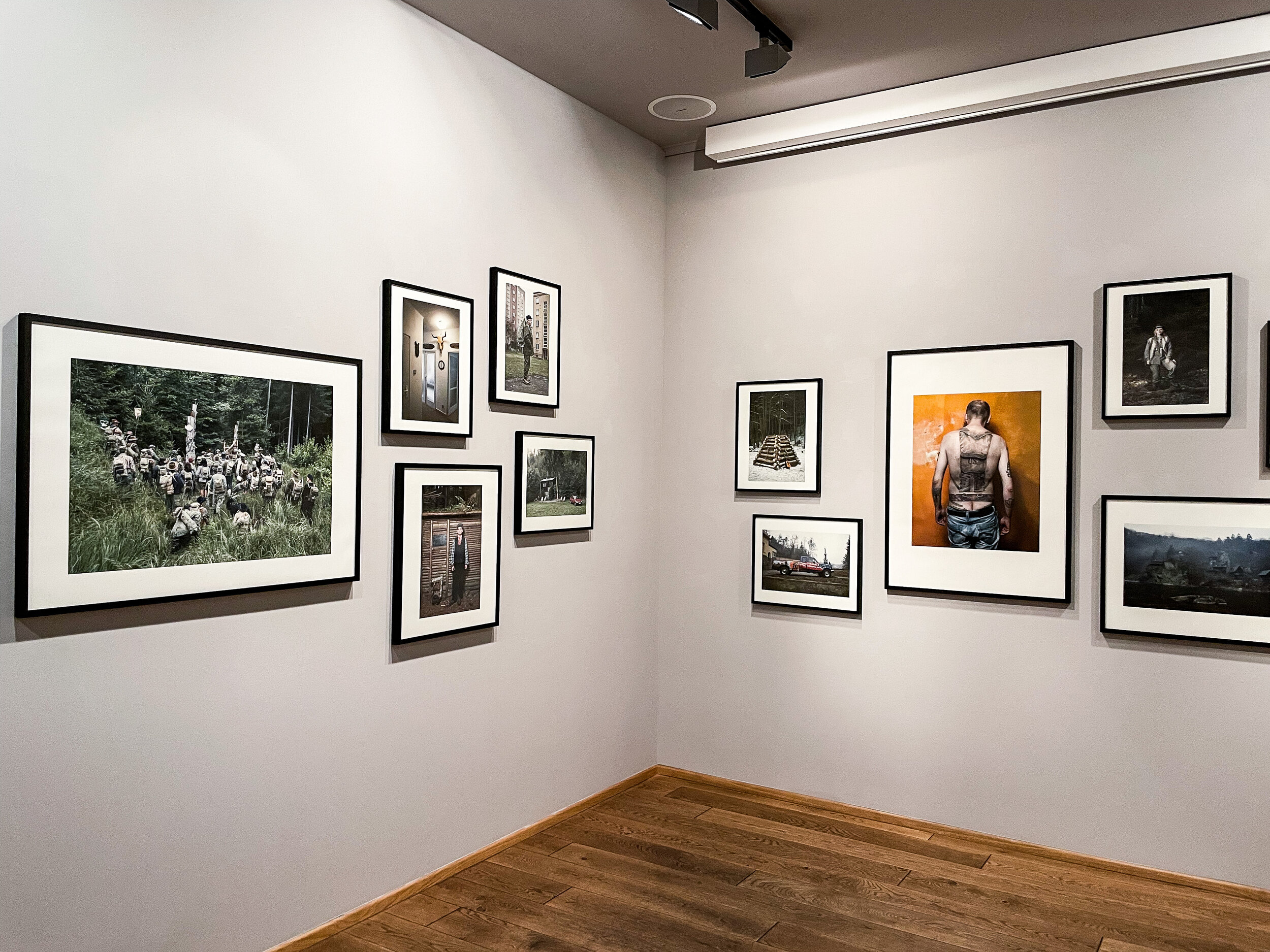
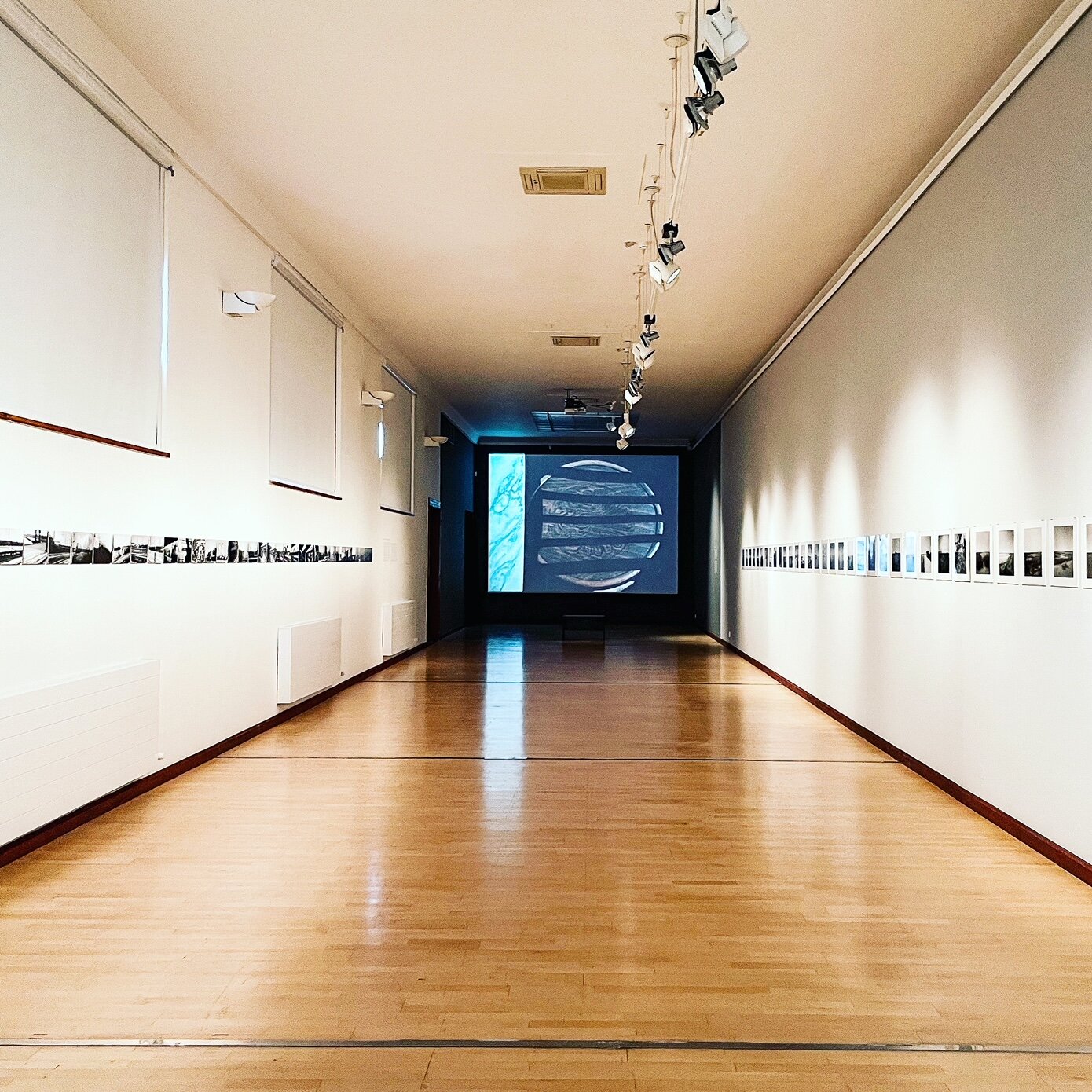
My friends know that although I love contemporary art of all kinds, I have a soft spot for photography. So, it will be no surprise to anyone that this list will also include a few galleries that focus on this medium. And Leica is an obvious choice here. The current show “Tramps” highlights the explorations of wanderlust by Czech photographer Libor Fojtik and, in the cafe, you can admire the floral and botanical photography work of Anne Mason-Hoerter that explores the possibilities of data layers, image collages and configurations. I really enjoyed perusing her work as well.

GALERIE FOTOGRAFIC

8F6EA8DC-4657-49D1-BF7B-AD4BDCFC005F.JPG

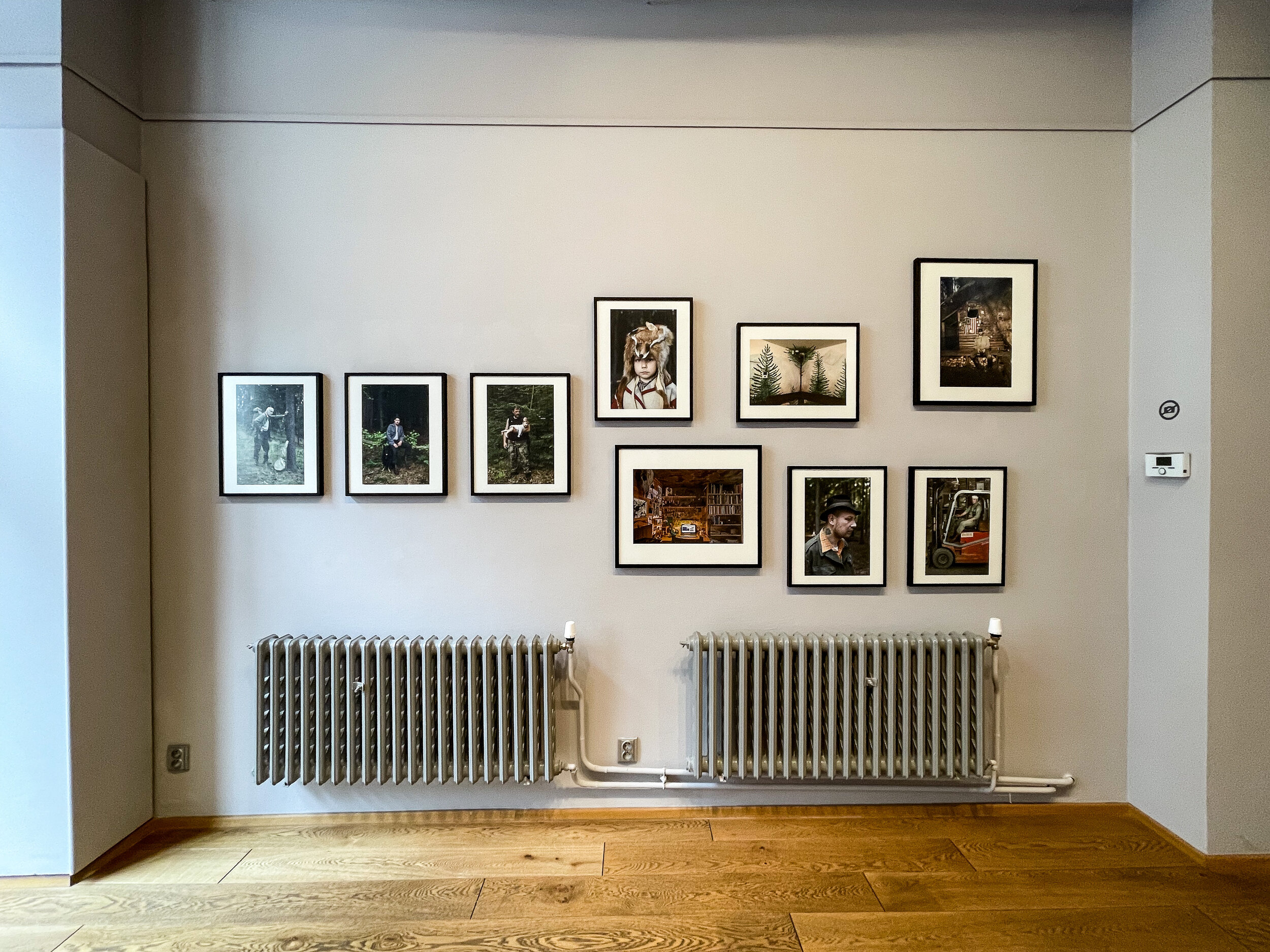
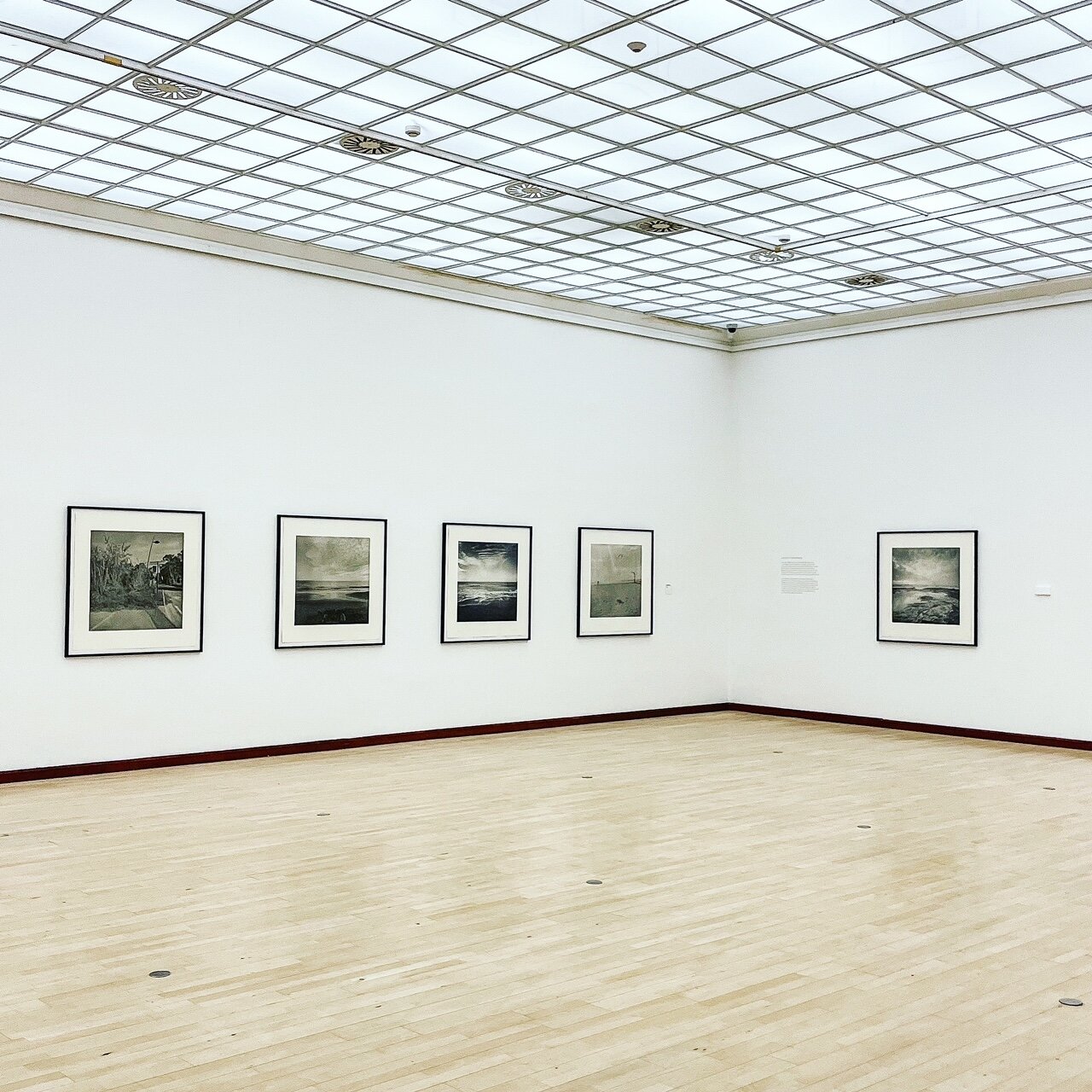
Another hidden gem, Galerie Fotografic is worth leaving the well worn tourist trail and exploring the side streets near Betlemska kaple. The tiny room in Stribrna street with a cute backyard has been around for many years. It prides itself on showing interesting work from European photographers, focusing on contemporary photography and multimedia explorations that overlap with other artistic fields. The gallery encourages artists to present their works in unexpected installations and regularly holds open calls inviting all innovative projects in the fields of photography, video art, interactive media, as well as painting or drawing. The gallery is also a cultural space for the neighhborhood, hosting discussions and with artists, screening films and participating in community projects such as Betlemska kulturni noc, Fotograf Festival, Noc literatury or Prague Quadrennial.

PRAGUE MUNICIPAL GALLERY
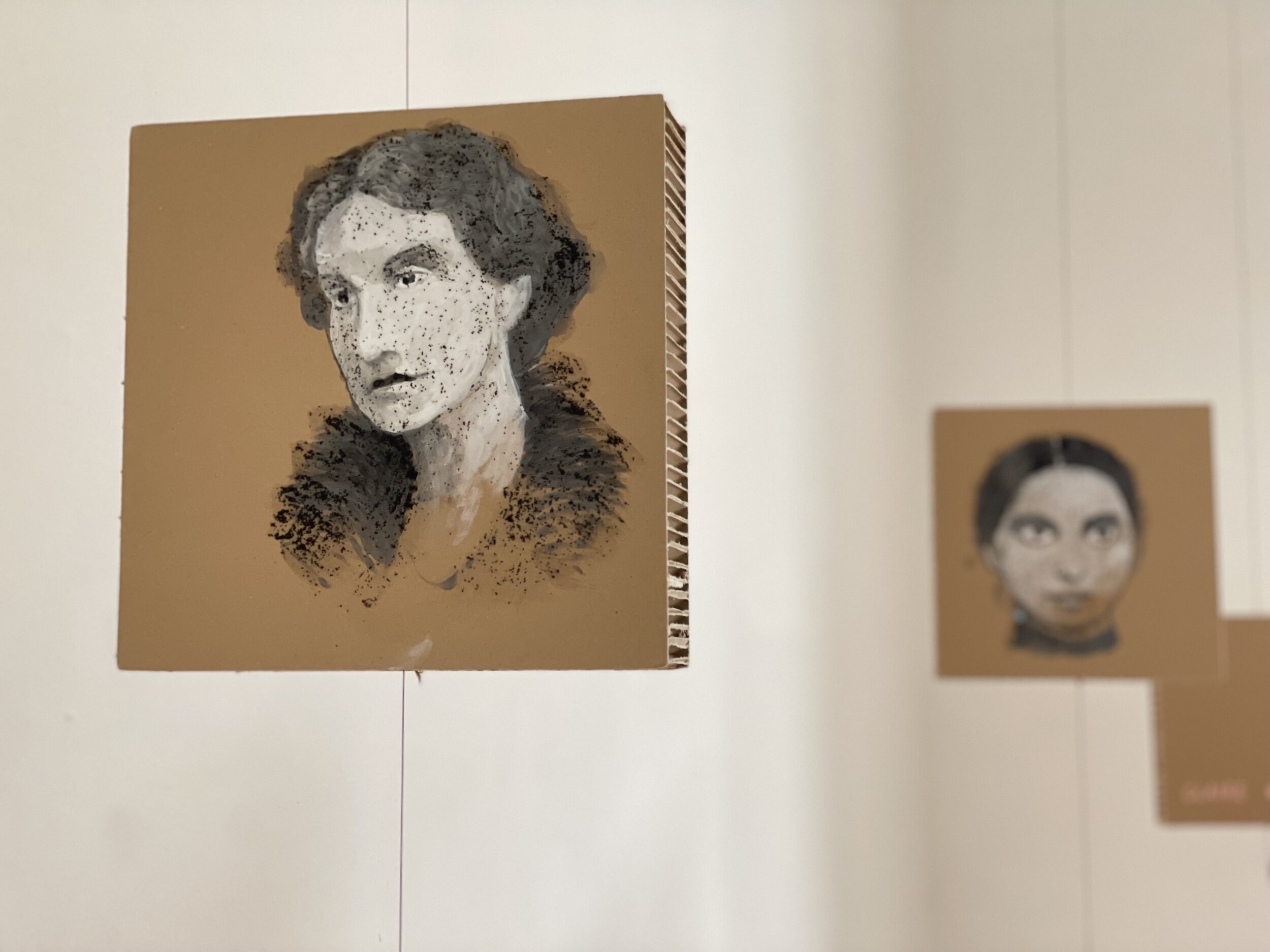
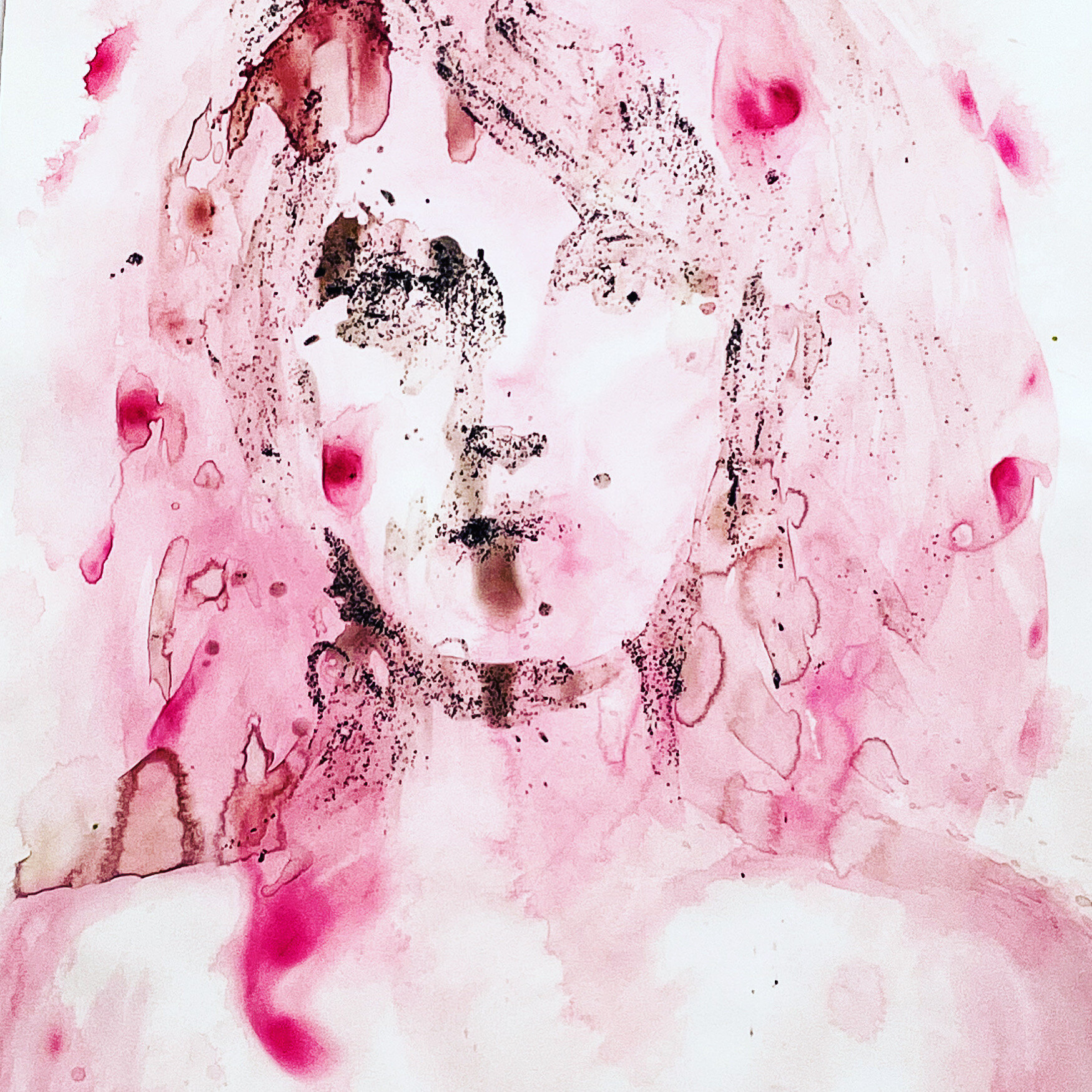
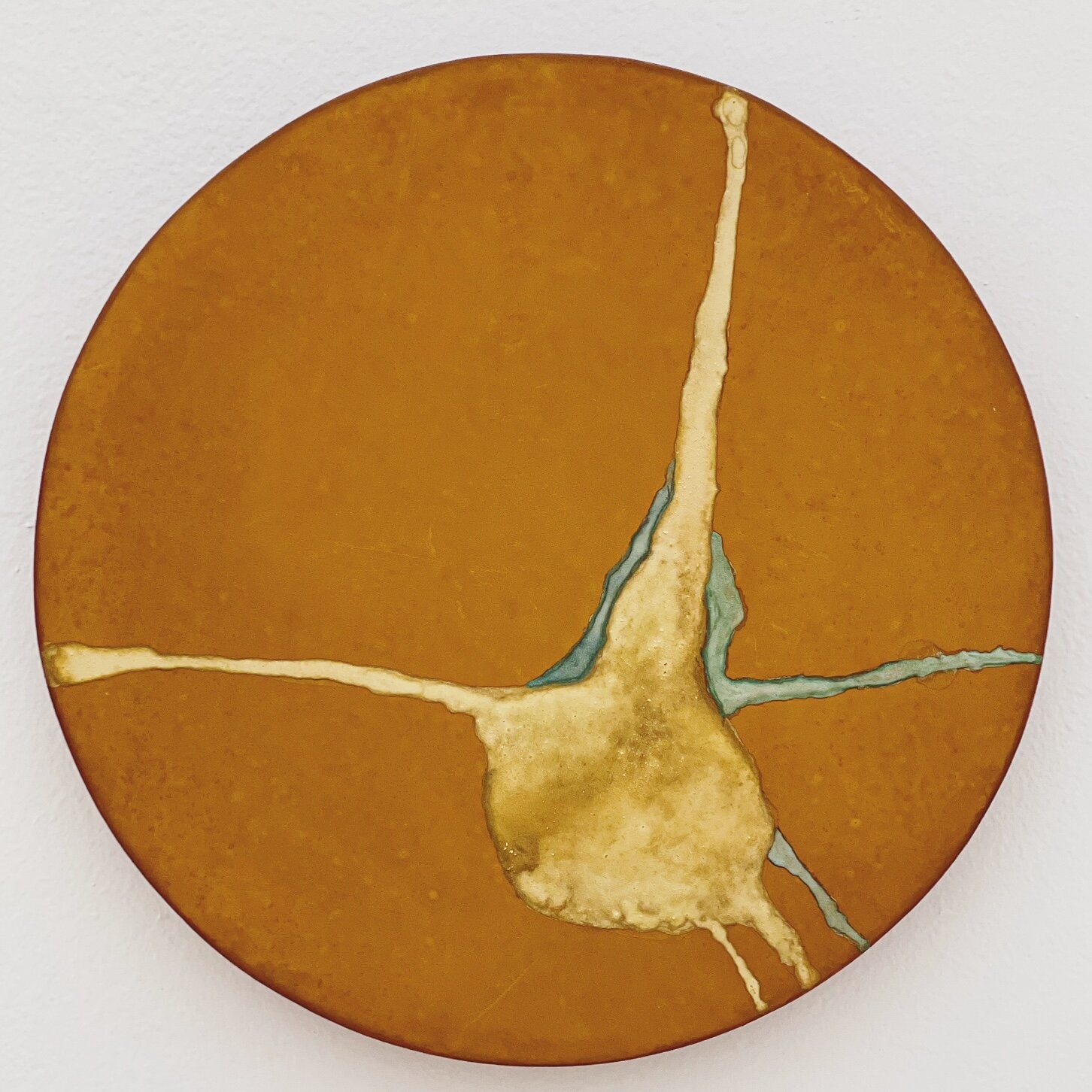
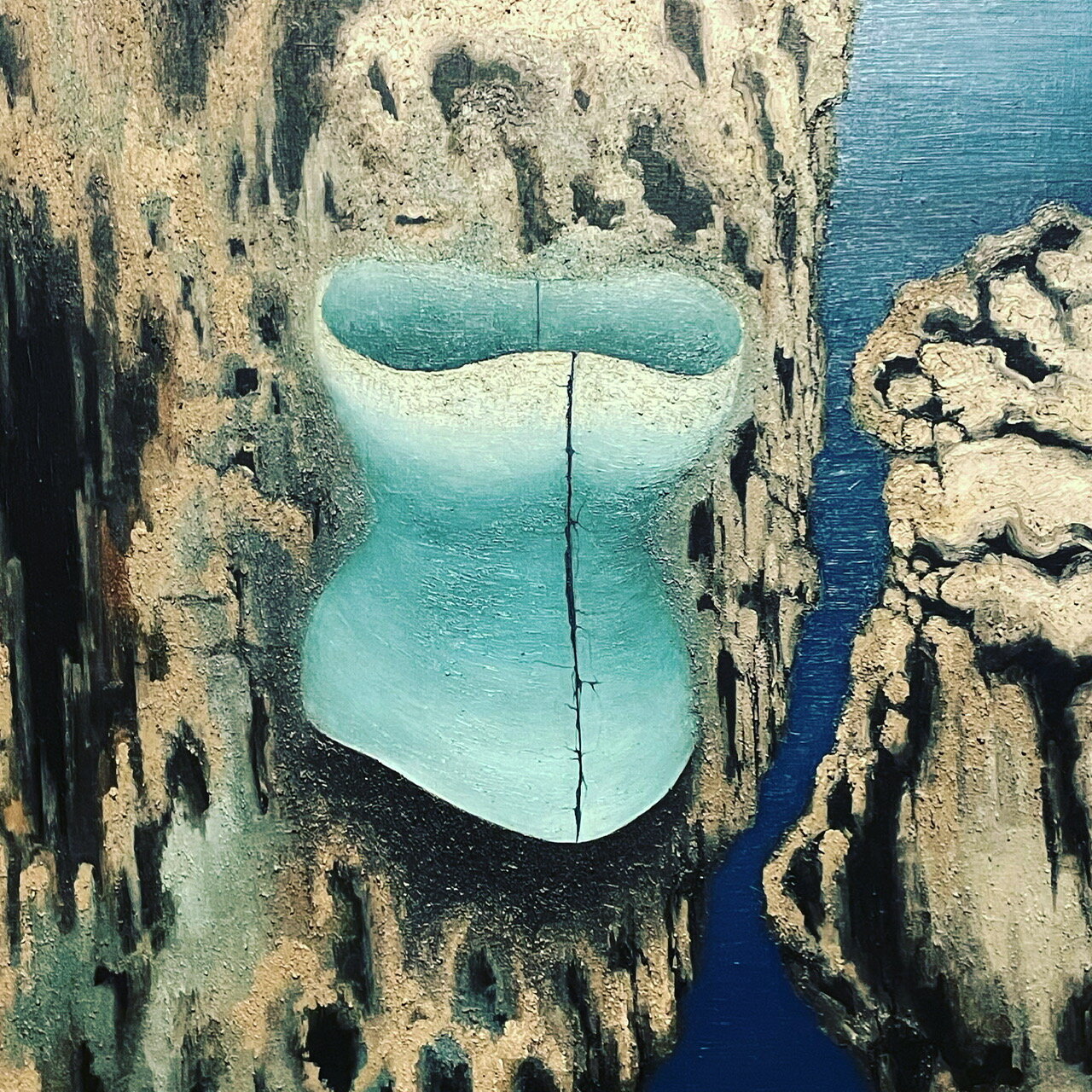
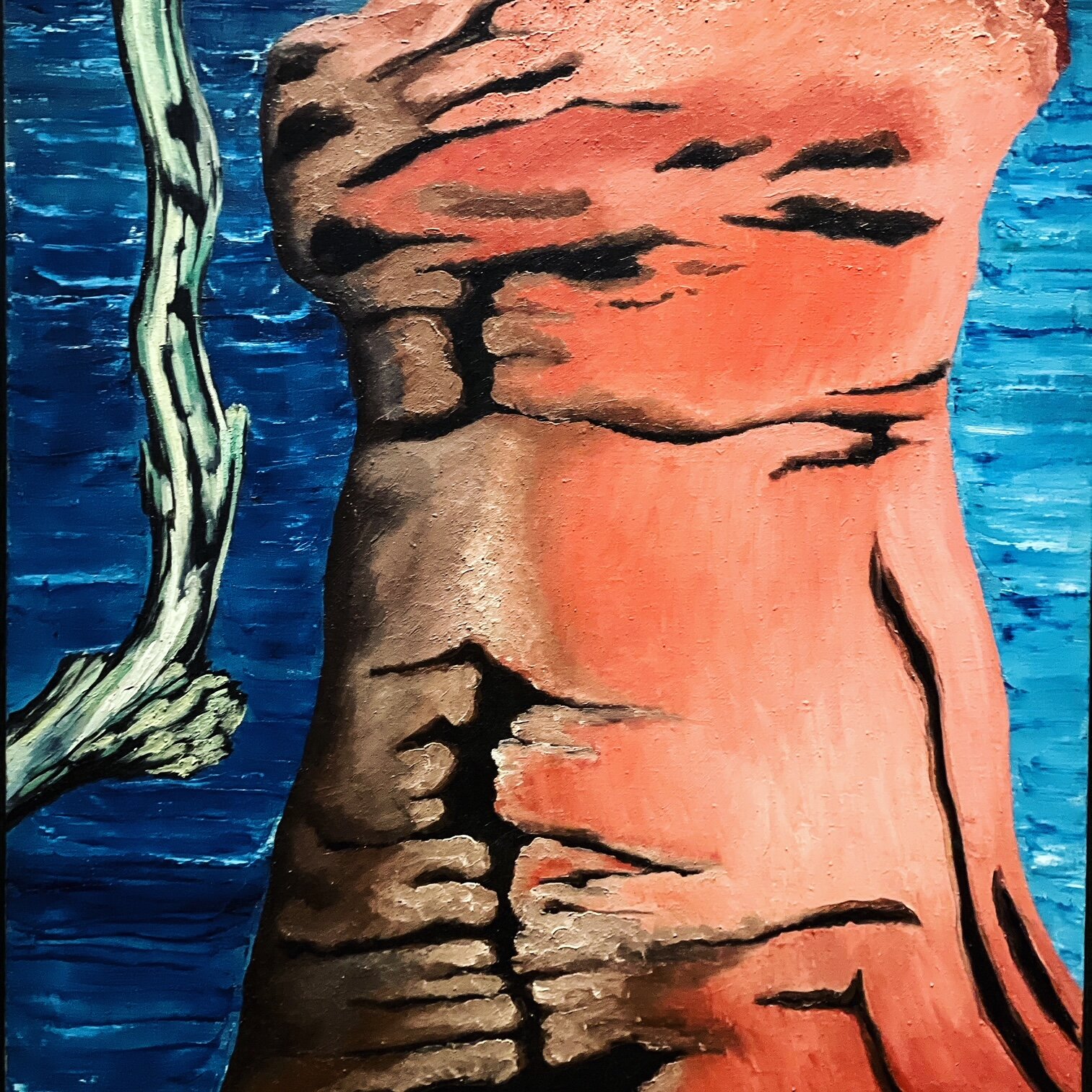
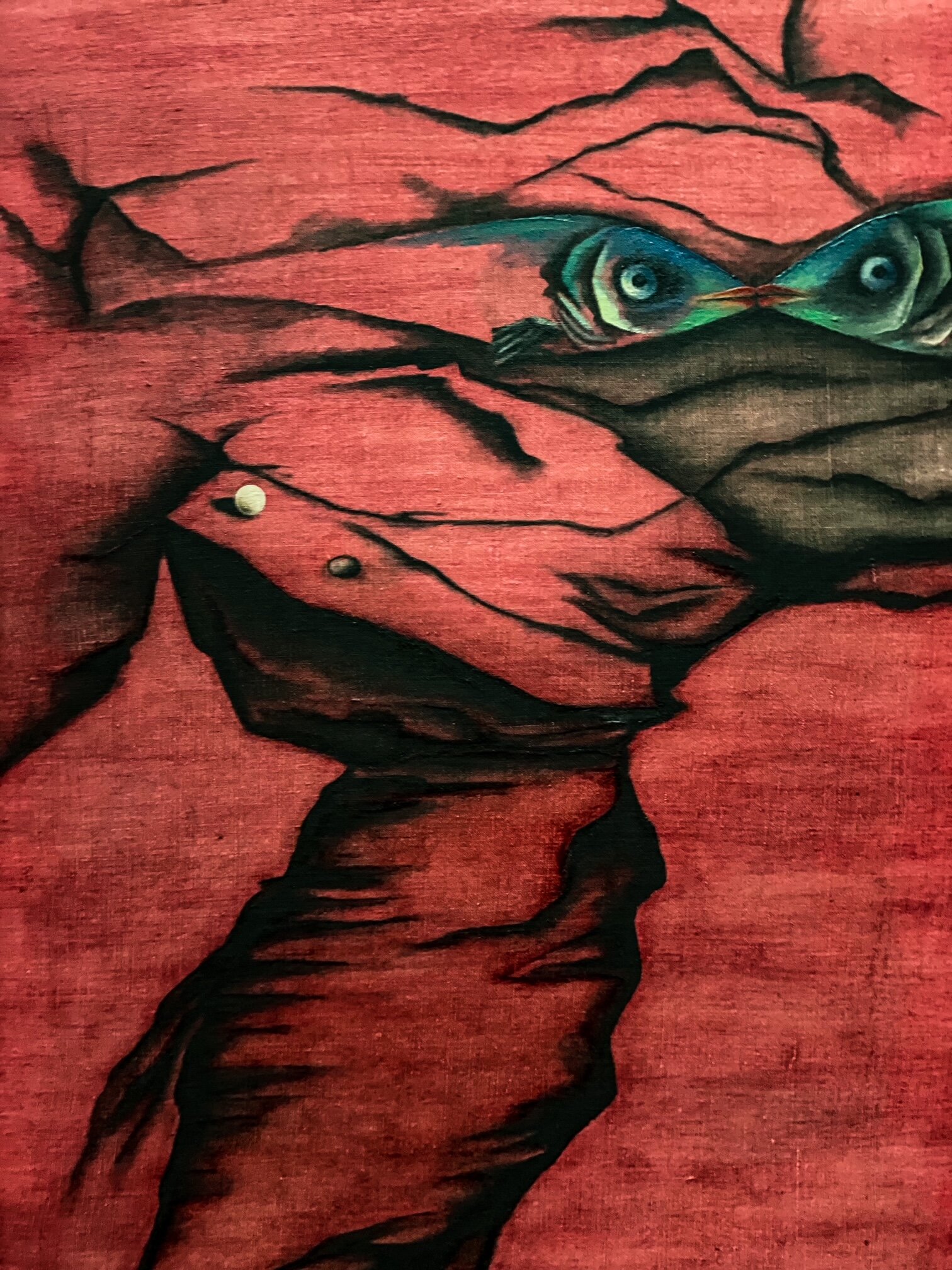
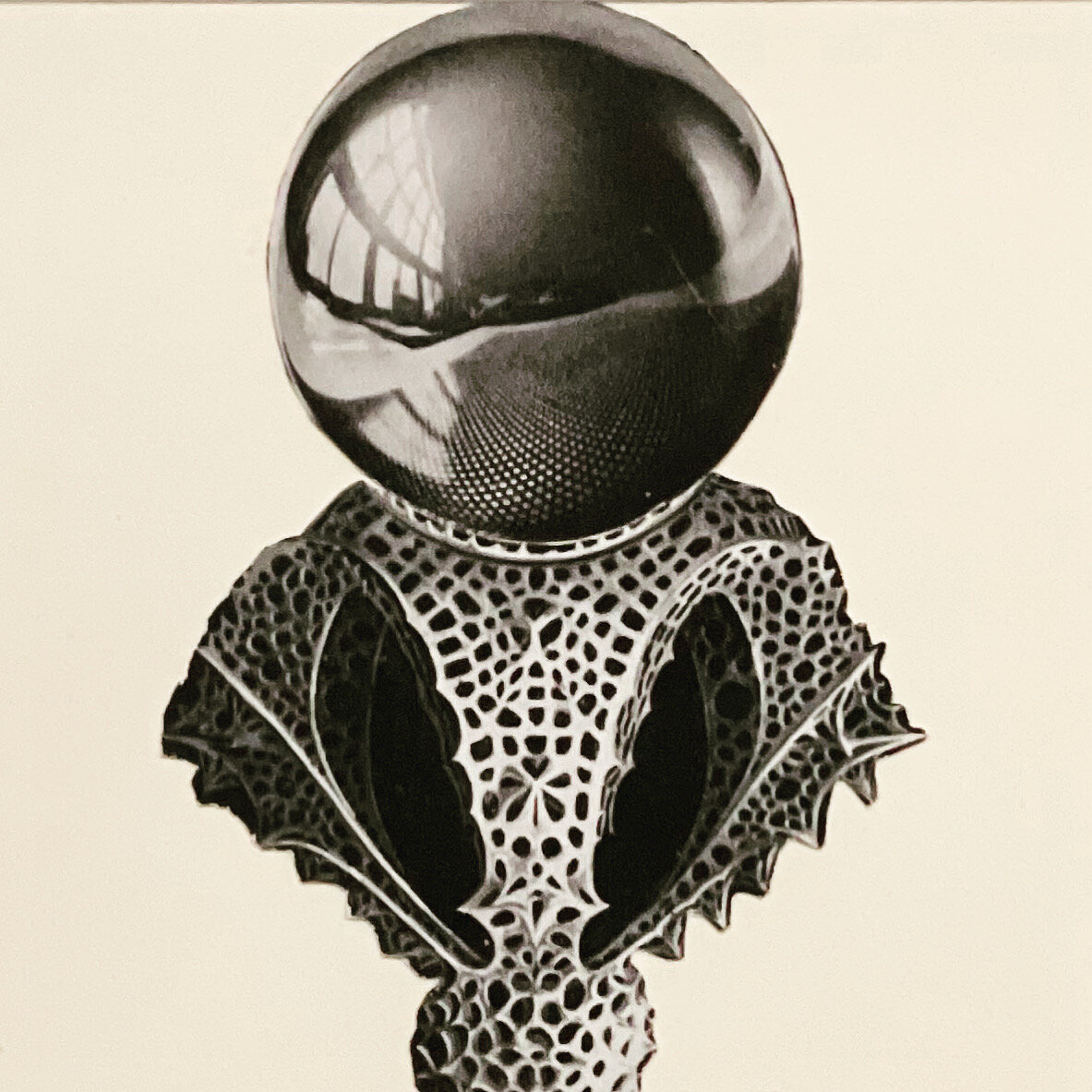
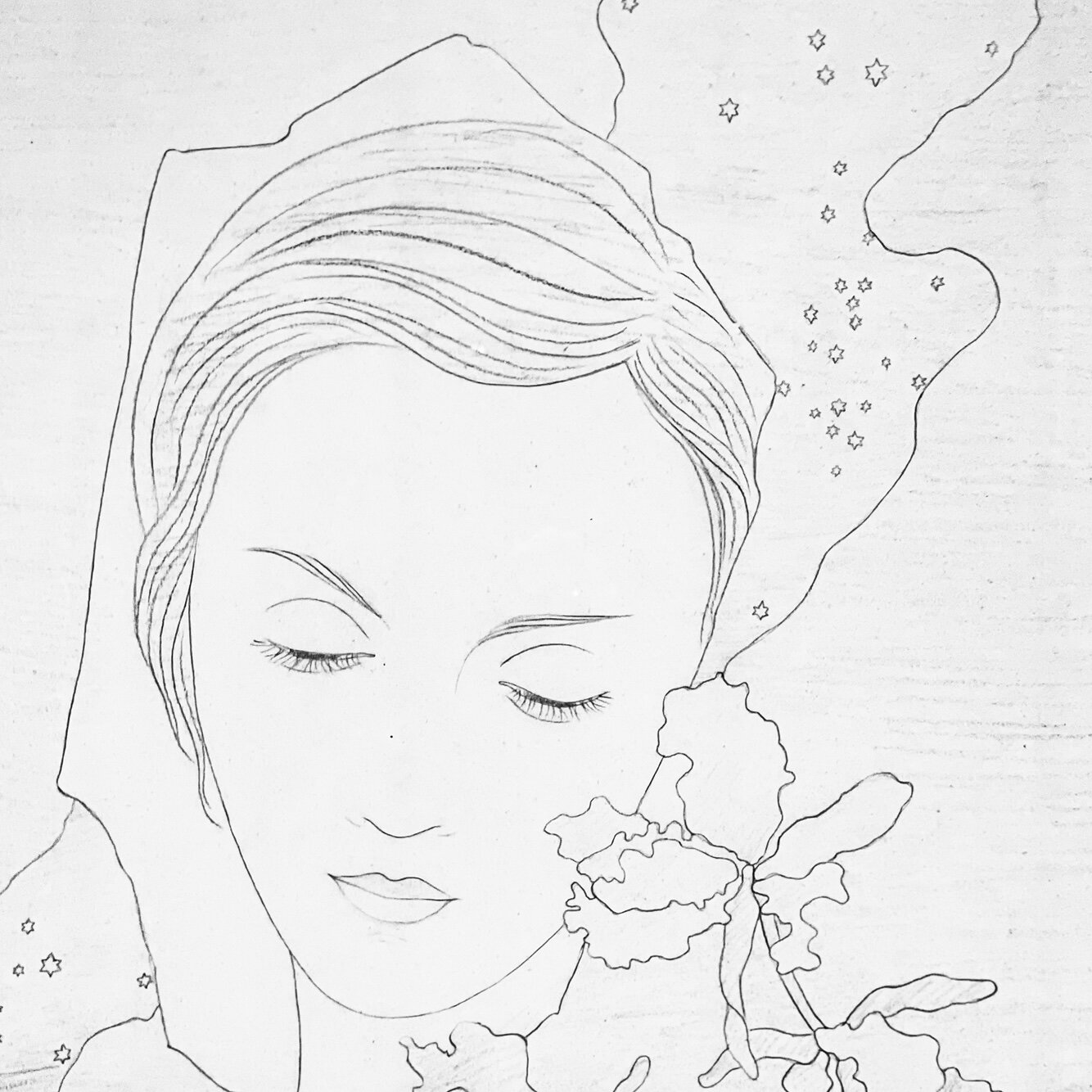
Technically, Prague Municipal Gallery can show art of all kinds, so it’s always good to check out what’s on at the time you plan your visit. Currently, one of the locations is showing the work of another contemporary Czech illustrator, Erika Bornova and so it deserves a spot on this list. Hailing from a famed artist family (her father is none other than Adolf Born, a multitalented Czech painter, illustrator, caricaturist and costume designer) Erika’s work ranges from sculpture to paintings and draws inspiration from the lives of historical figures and the mysteries of flora and fauna. Interestingly, she also showcases a series of self-portraits painted during a period when the artist partially lost her sight. As the curator of the current show mentions, Bornová’s work shows how subtle the line is between “normality” and madness, between genius and infatuation, as well as between devoted love and destructive obsession - all themes quite fitting for the world we live in today.

GALERIE ZDENEK SKLENAR

I first discovered this tiny gallery in its previous location tucked away on a side street in the Old Town. The space has since moved but Zdenek Sklenar still shows some of the best works of well known Czech contemporary artists, and it’s definitely worth a stop for any serious art lover.

THE DREAMY REBELLIOUS WORLD OF TOYEN

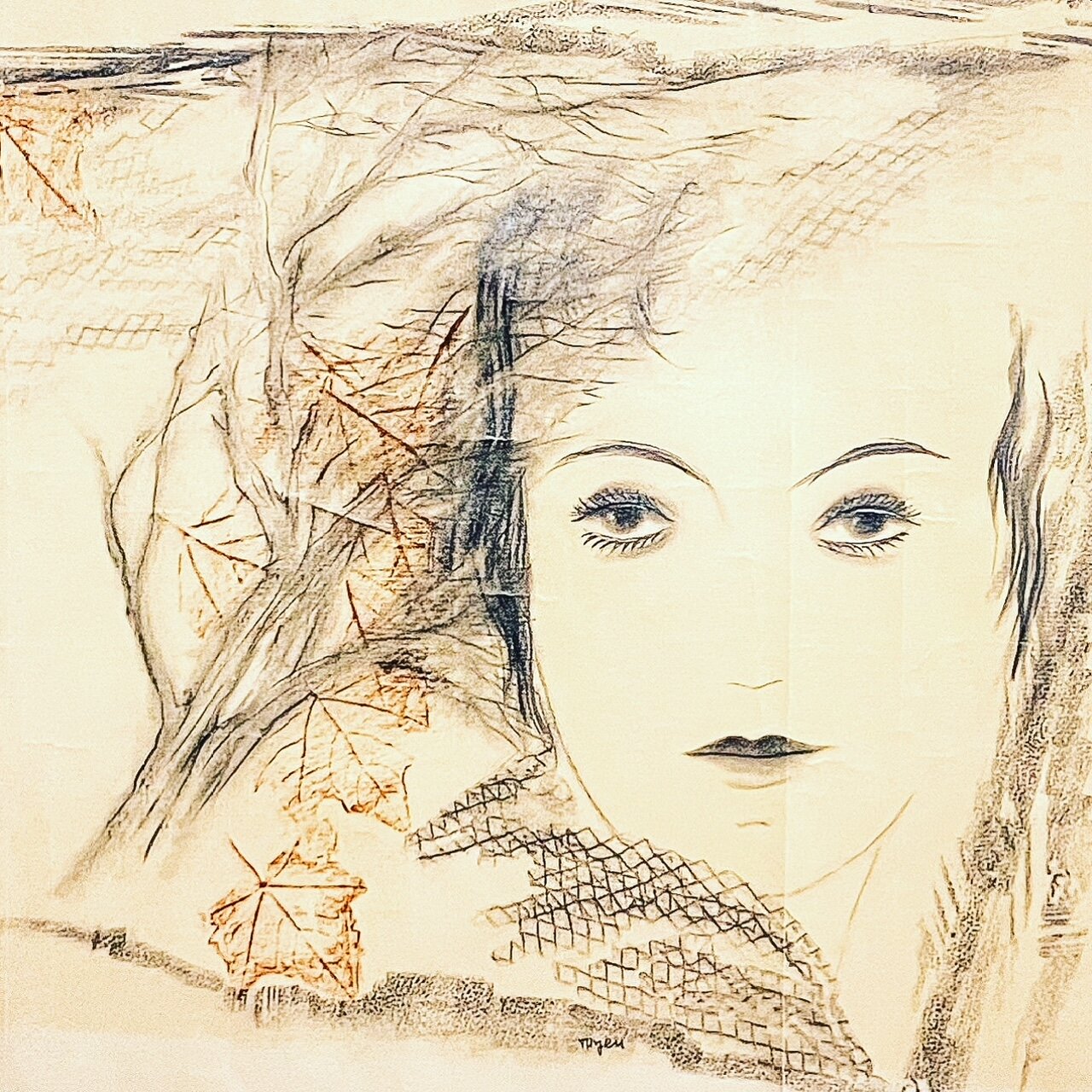
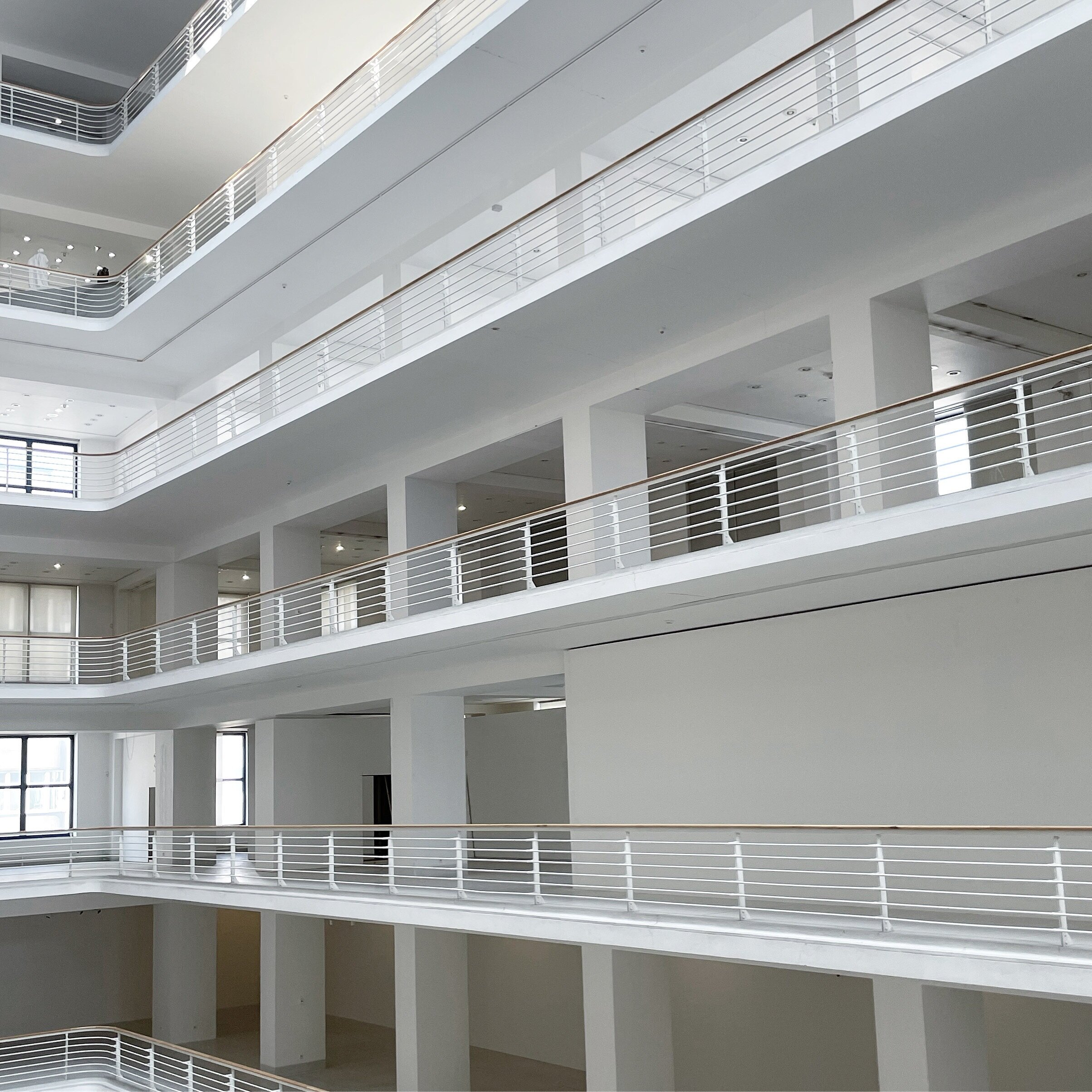
Sometimes you get lucky. A good friend told me about this now sold out “Toyen: The Dreaming Rebel” show in Prague a few weeks ago. But work intervened and I never got around to booking my ticket So it was a lucky coincidence that another friend happened to have a spare ticket and was able to connect with me 15 minutes before the timed entry. Sometimes you get rewarded for saying “yes” quickly. I am certainly glad I did.

SO, WHO IS TOYEN?

Even as a Czech art enthusiast, I had a very incomplete picture of the artist’s work, mostly limited to a few of her surrealist, mysterious paintings. As someone who gravitates towards contemporary art and photography, I wasn’t sure this show would be something I would like. I stand corrected.

Born Marie Čermínová in Prague in 1902, the artist changed her name to a more neutral pseudonym, Toyen, that she thought would make it easier to show her work and gain respect on the more male-dominated art scene of 1922. The rumor has it that the name was coined by none other than Jaroslav Seifert, the Czech Nobel Prize for Literature laureate.

After leaving home at the young age of 16 and supporting herself by working at a soap factory, Toyen went on to study decorative arts at the Applied Arts University and in her early 20s she met painter and photographer Jindřich Štyrský who became a life-long friend and collaborator. Together, they joined the Czech avant garde art society Devětsil, created their own art style, “artificialism” that they believed offered new ideas differentiated from abstraction and surrealism, and spent extended time in France where they befriended surrealists Andre Breton and Paul Eluard. Sidelined by World War II when surrealism art fell out of favor (and hiding one of her Jewish painter colleagues in her studio for three years), Toyen made a living by working on magazine and book illustrations and collages, many of which feel surprisingly modern and completely unlike her other work. She re-emerged after the war but after a few shows moved permanently to Paris where she continued her creative work in collaboration with other French surrealists until her death in 1980. She is considered to be one of the most prominent Czech avant garde artists of the 20th century.

SURREALIST? YES. BUT ALSO INCREDIBLY VERSATILE

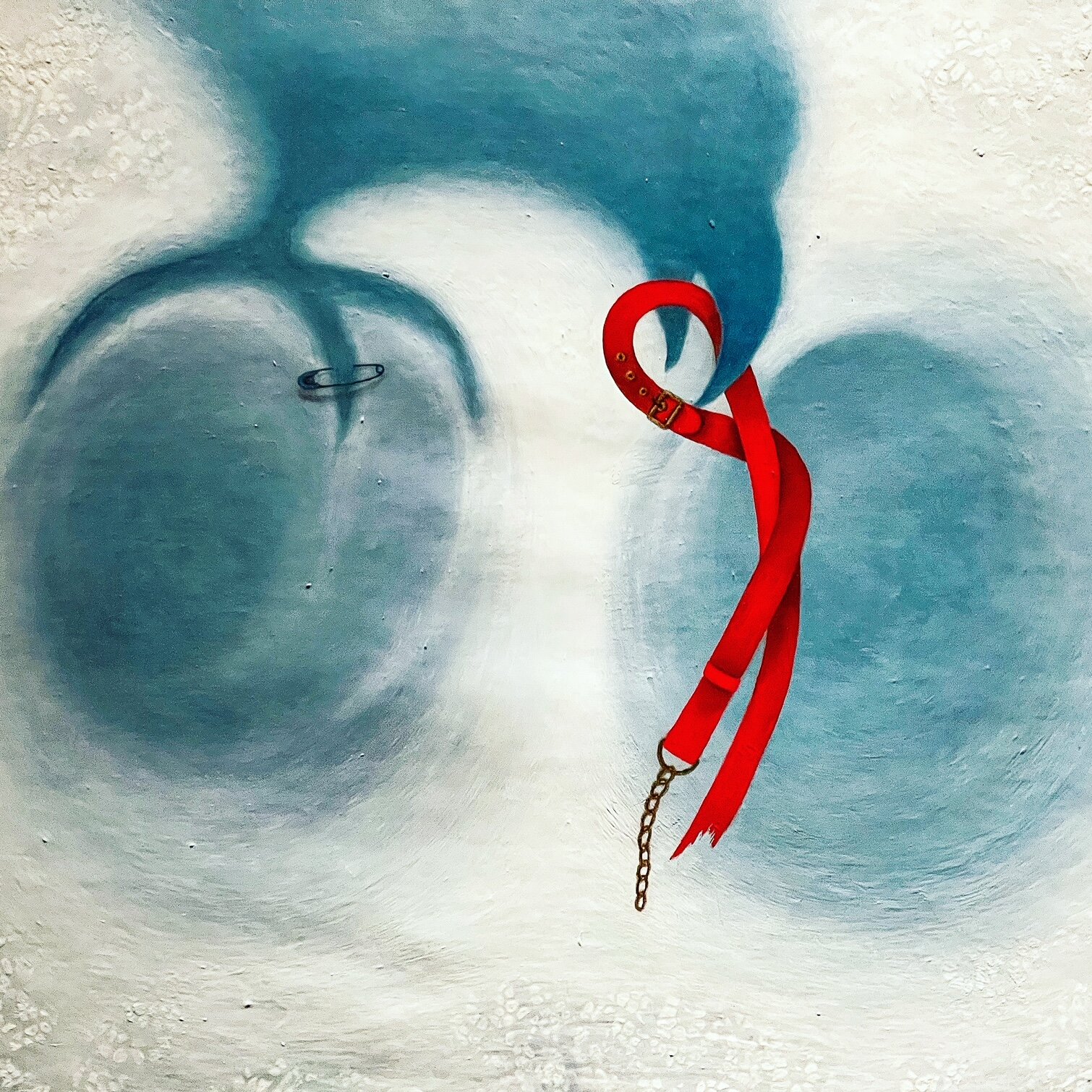
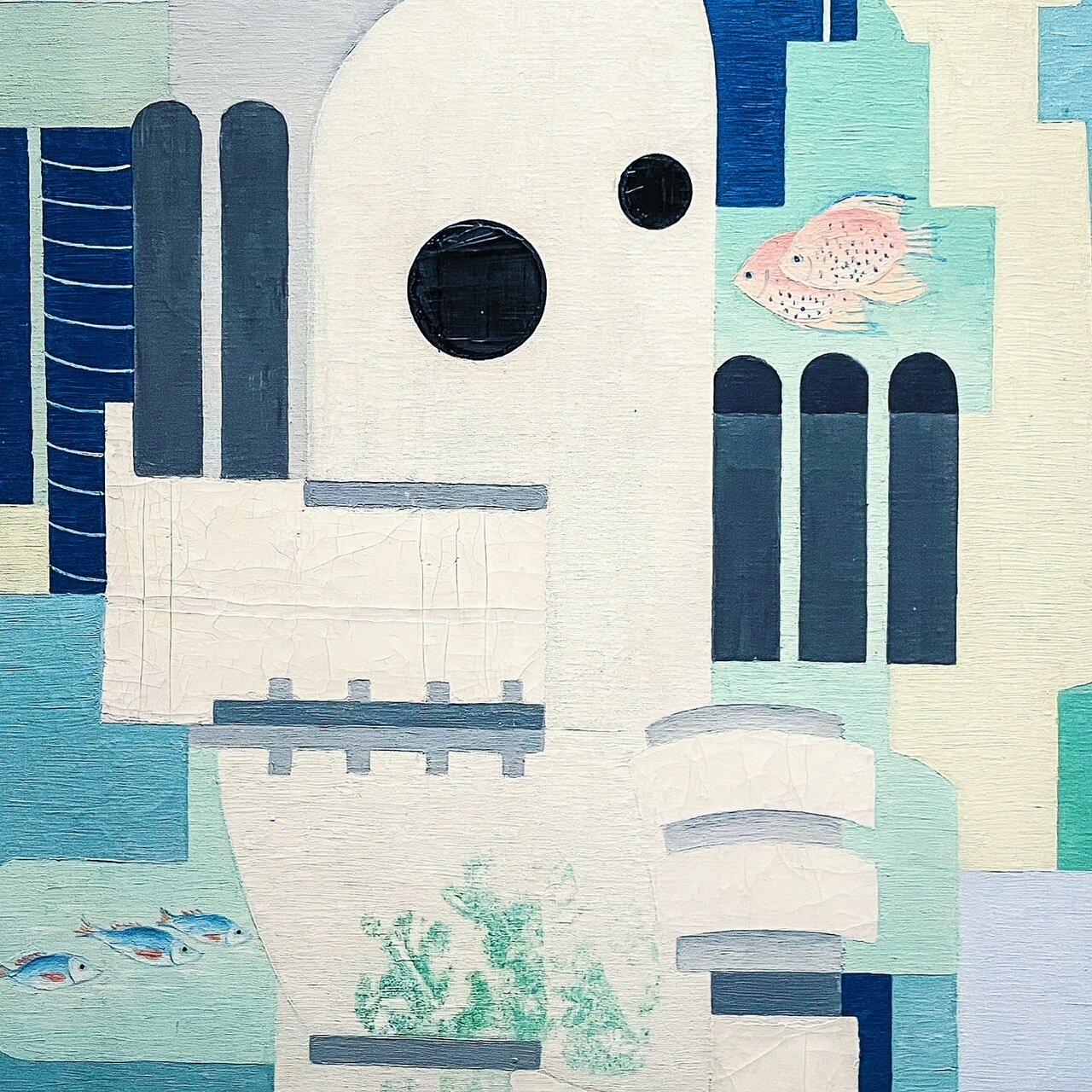
What surprised me walking through the show was the creative evolution of the artist who was able to deftly pivot from one style to another and always make it her own. From early geometric and pastel-colored works to sharp and precise illustrations, then on to saturated palettes and organic sea-inspired shapes and on again to stark and stripped-down black and white wartime drawings and futuristic collages. it’s all there and Toyen emerges as a multi-talented artist who can surprise you and teach you a thing or two.

The show is running for a few more weeks at the Valdstejnska jizdarna in Prague. It is currently sold out but if you happen to find a ticket, go. You will enjoy it. And for those who miss it in Prague, you will have a second chance in Paris and then Berlin later this year.

E7928ECC-8016-4C84-9A64-C8F43119F04C.JPG

GLIMPSES OF MAINE, CUTENESS AND FLOWERS

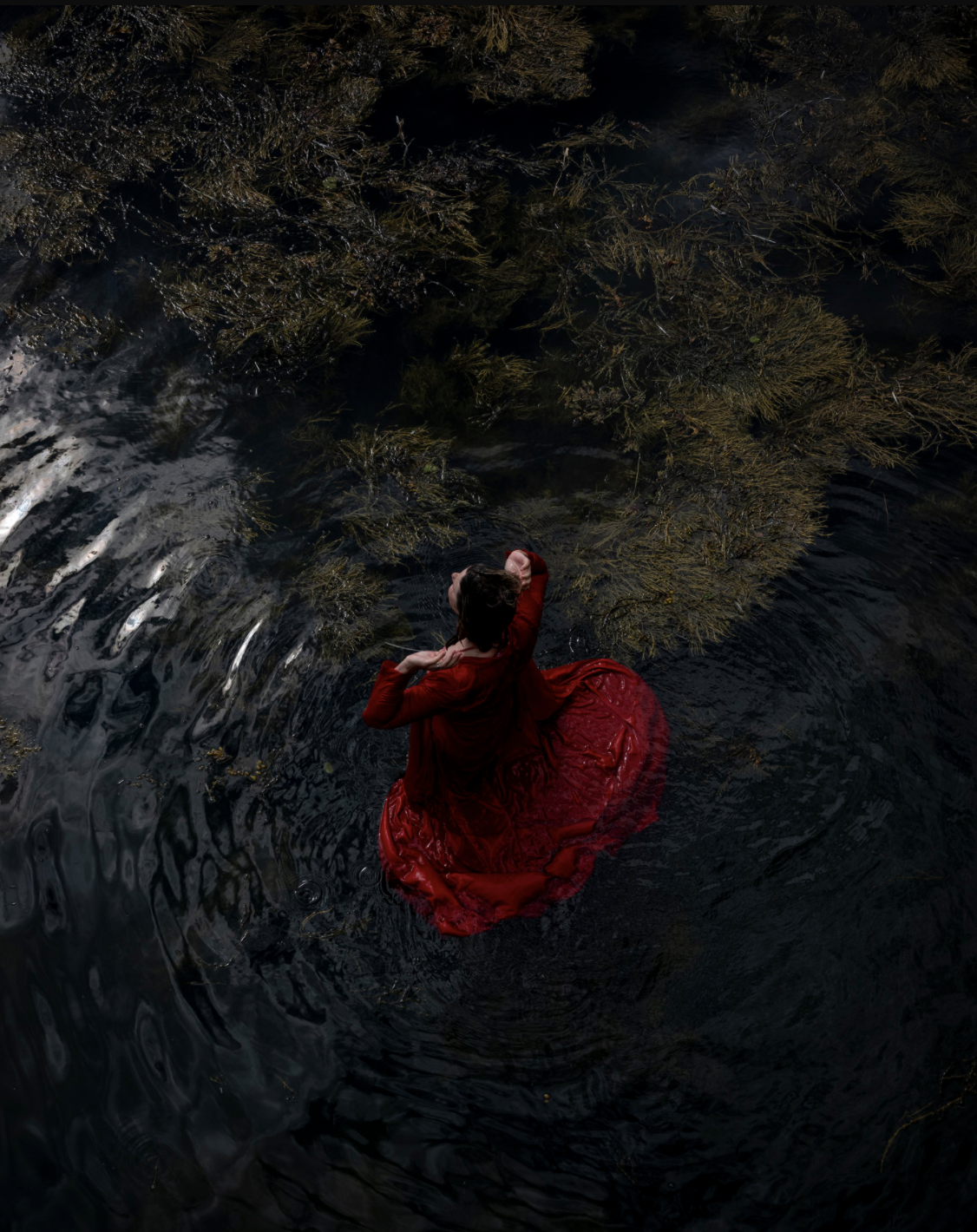
Cig Harvey: Elizabeth

Cig Harvey: Elizabeth

While the world is still waiting to reopen (the signs of life and reopening are growing stronger and stronger, daring me to dream about far flung destinations again), I am still finding inspiration in the striking images of my favorite photographers. So for today, let’s explore Maine through the eyes of the British photographer Cig Harvey.

THE AIPAD SHOW: DISCOVERING THE WORLD OF CIG HARVEY

I first came across Cig’s work a few years ago when her playful home and family scenes caught my eye at the Aipad show in NYC. It was the bold color, the perfect-yet-imperfect composition and the hint of a mischief that made Cig’s work so appealing. It’s warm and it’s human and I was hooked. So I started paying attention.

GOING DEEPER: THE PLAYFUL MAINE

Cig’s story itself is interesting. How does a photographer South West England become one of the up and coming artists in Maine? Maine was the first place Cig moved to when she arrived in the US in 1999. The open spaces were exactly what was needed to inspire her creative thinking process. And although Cig got her MFA from Rockport College and spent nearly 10 years as an assistant professor at the Art Institute in Boston, she met her husband in Maine and they eventually bought an old farmhouse there that’s been her base for years now.

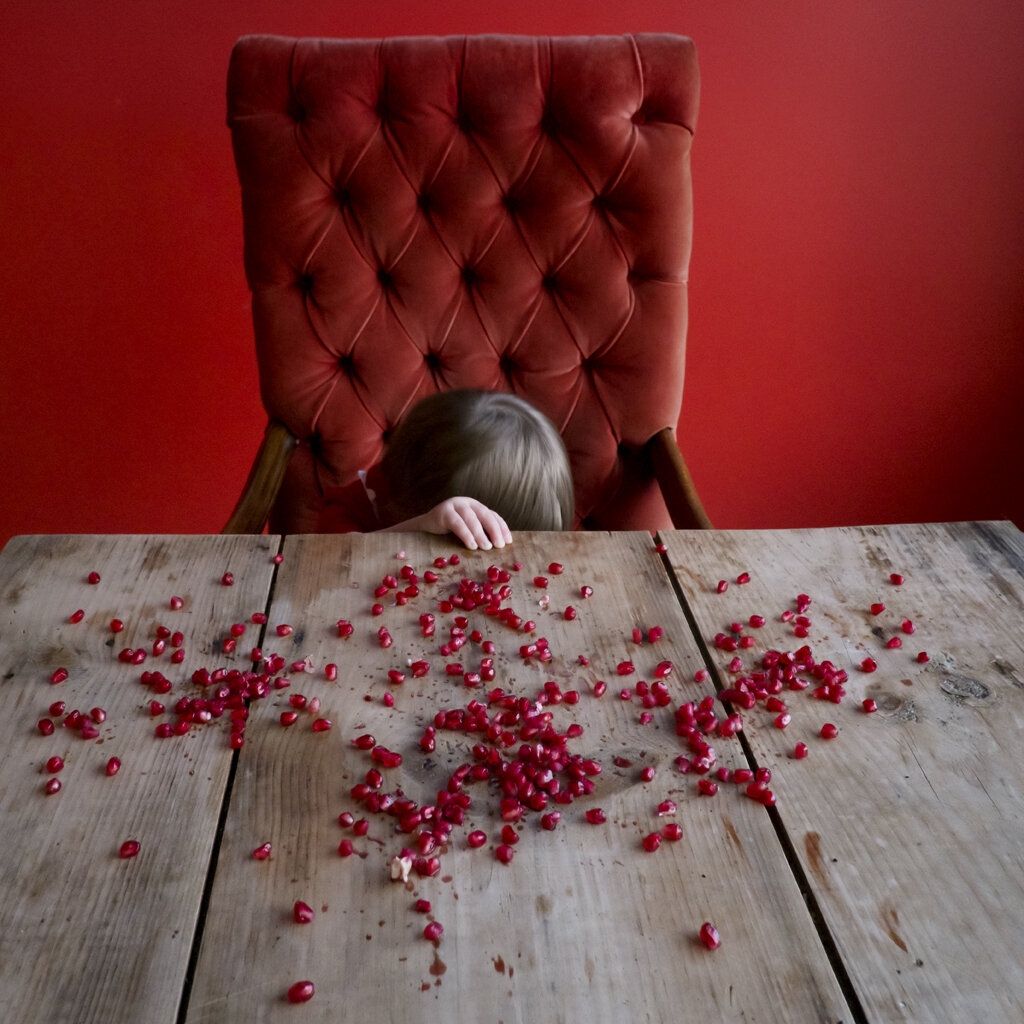
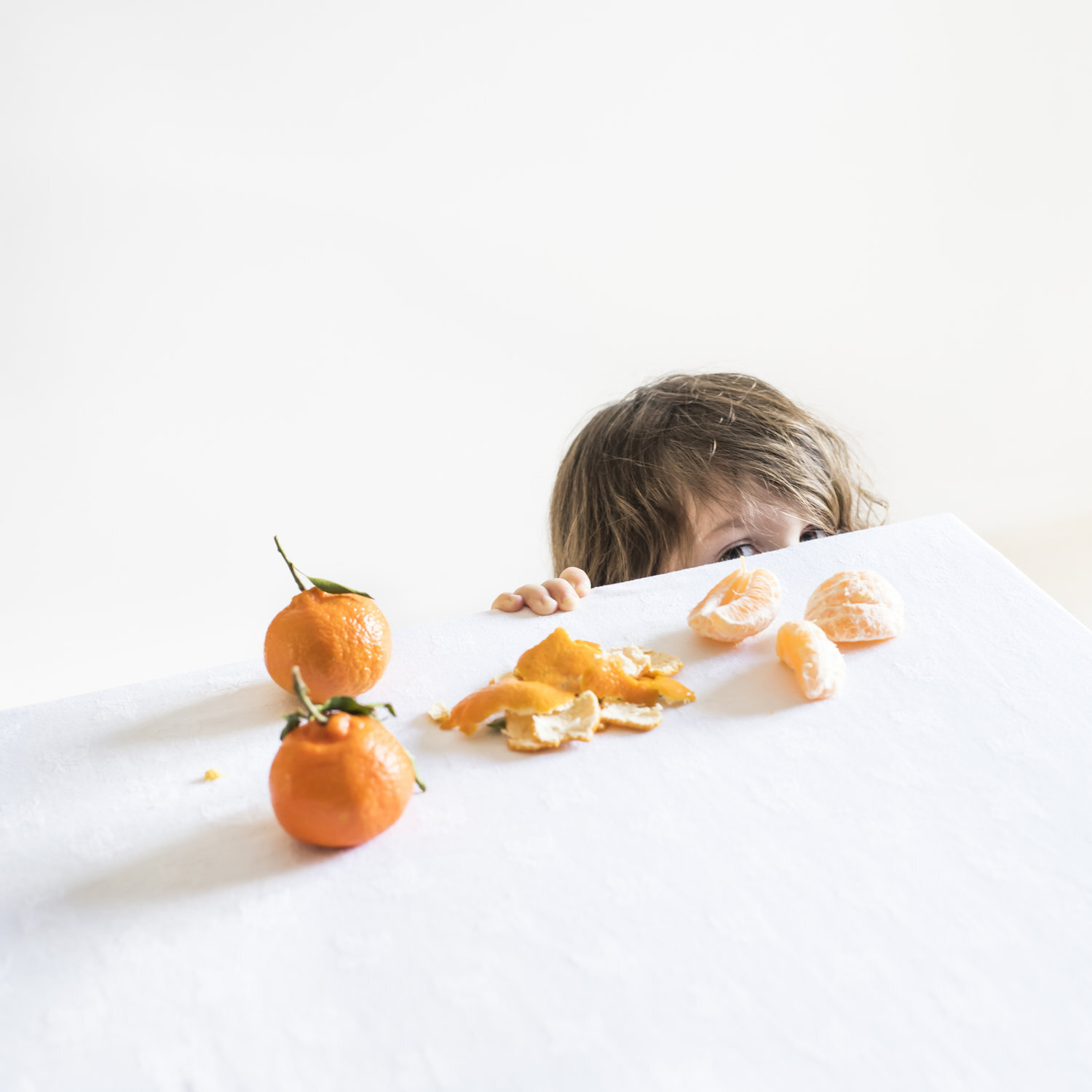
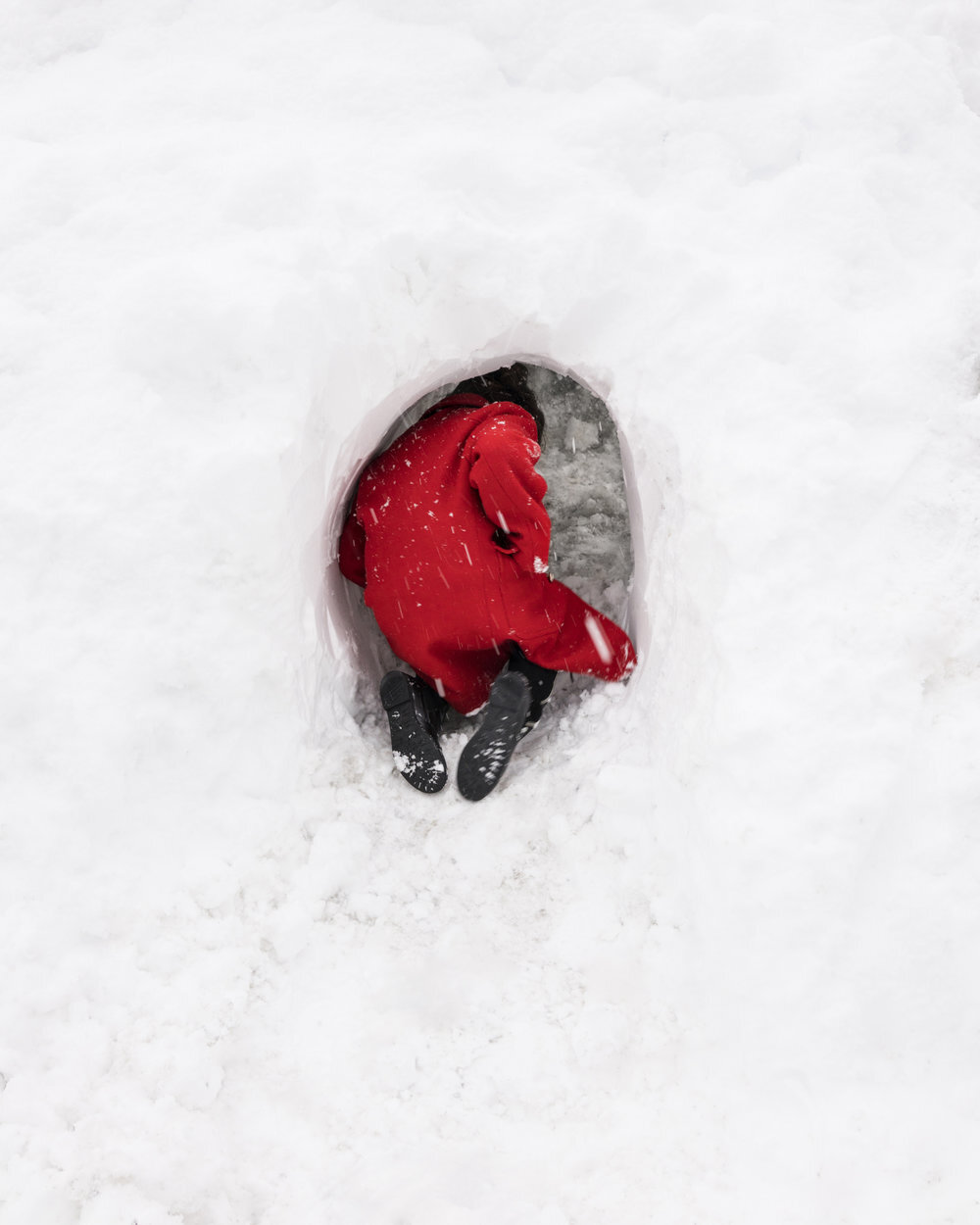
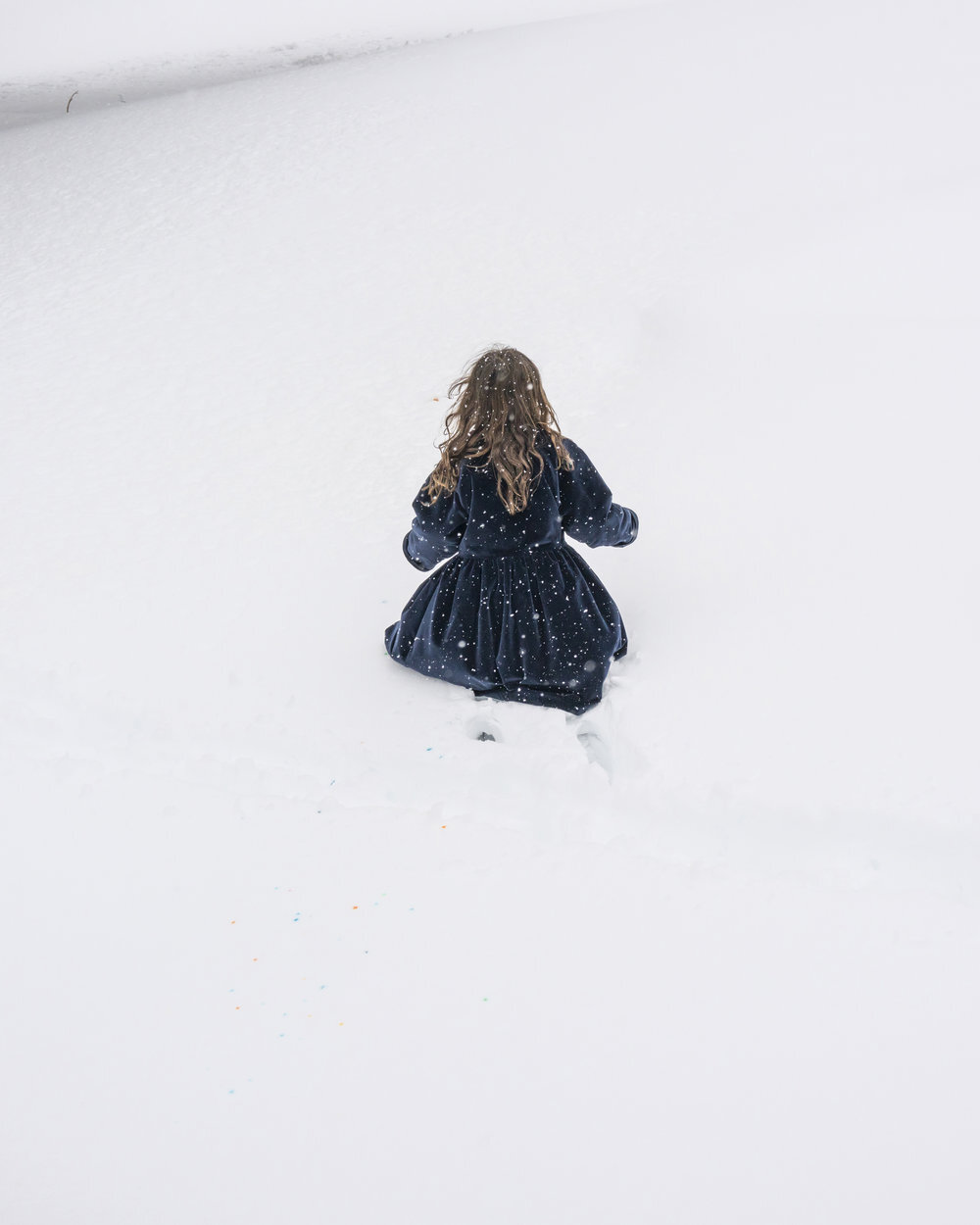
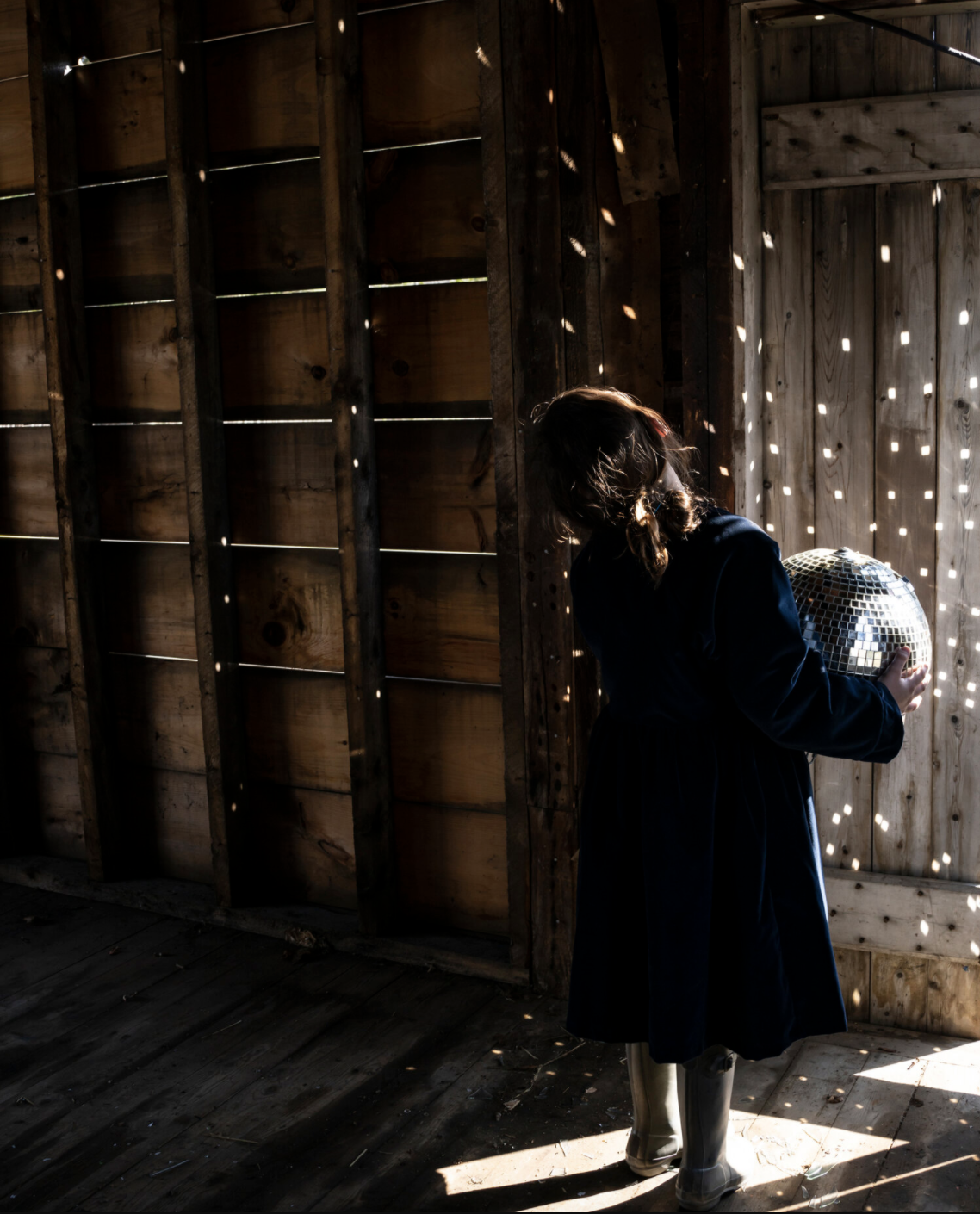
When we chatted at her art opening recently, she was quick to point out that with Maine’s long winters, it takes some creativity to come up with the engaging pictures that I admire so much. It may take exploring snowy scenery and working with random objects such as a disco ball to cast that magic spell on a simple wooden wall. Or, it may take putting together her photographer skills and the playful ideas of her daughter to recreate the feeling of childhood wonder. It succeeds brilliantly.
DEEPER STILL: THE RICHNESS OF COLOR, THE DEPTH OF BEAUTY

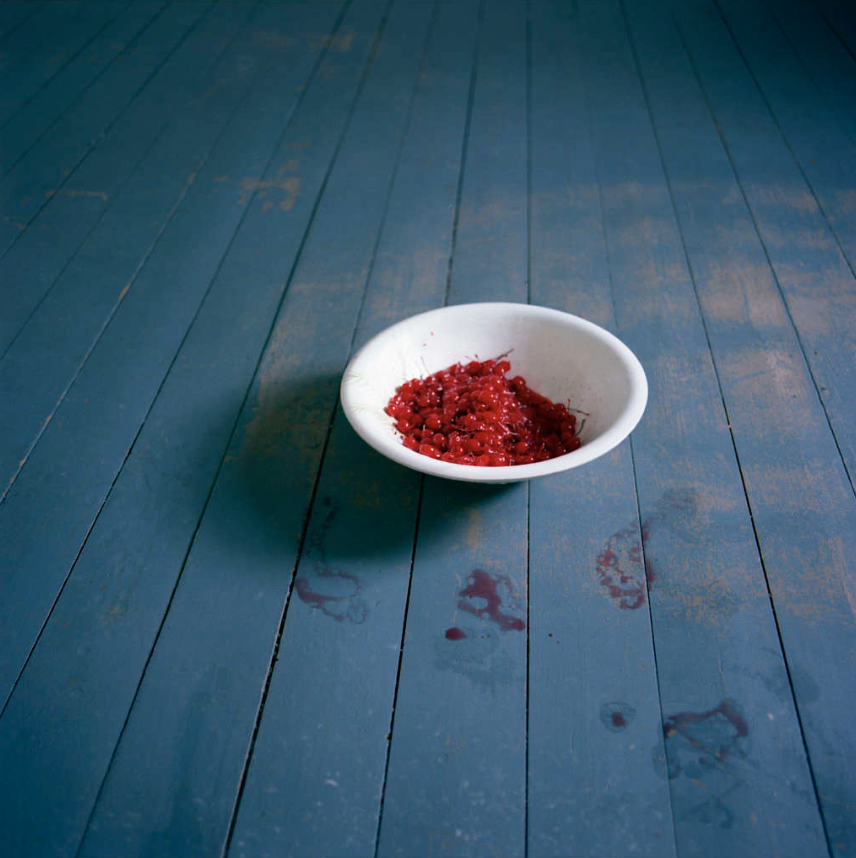
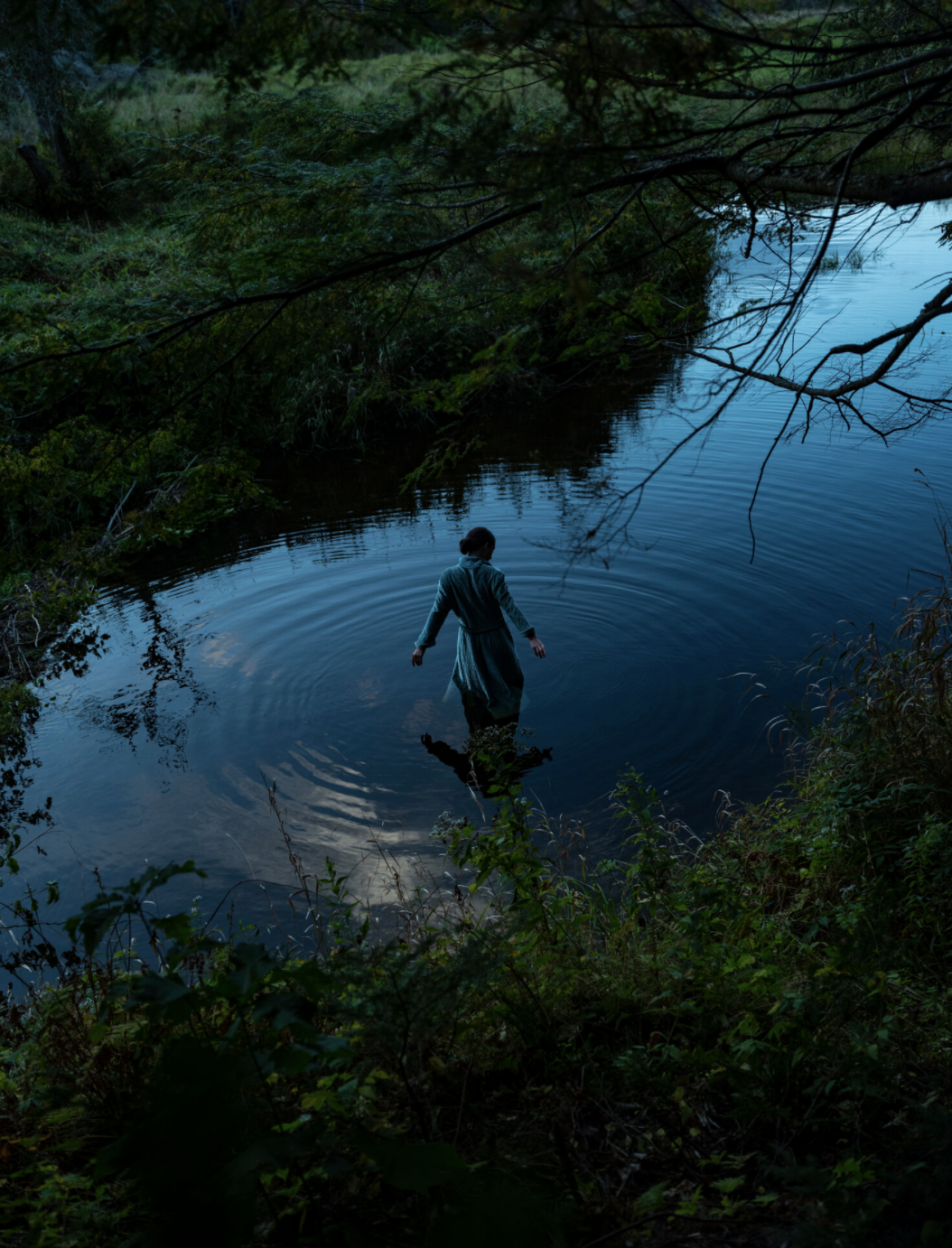
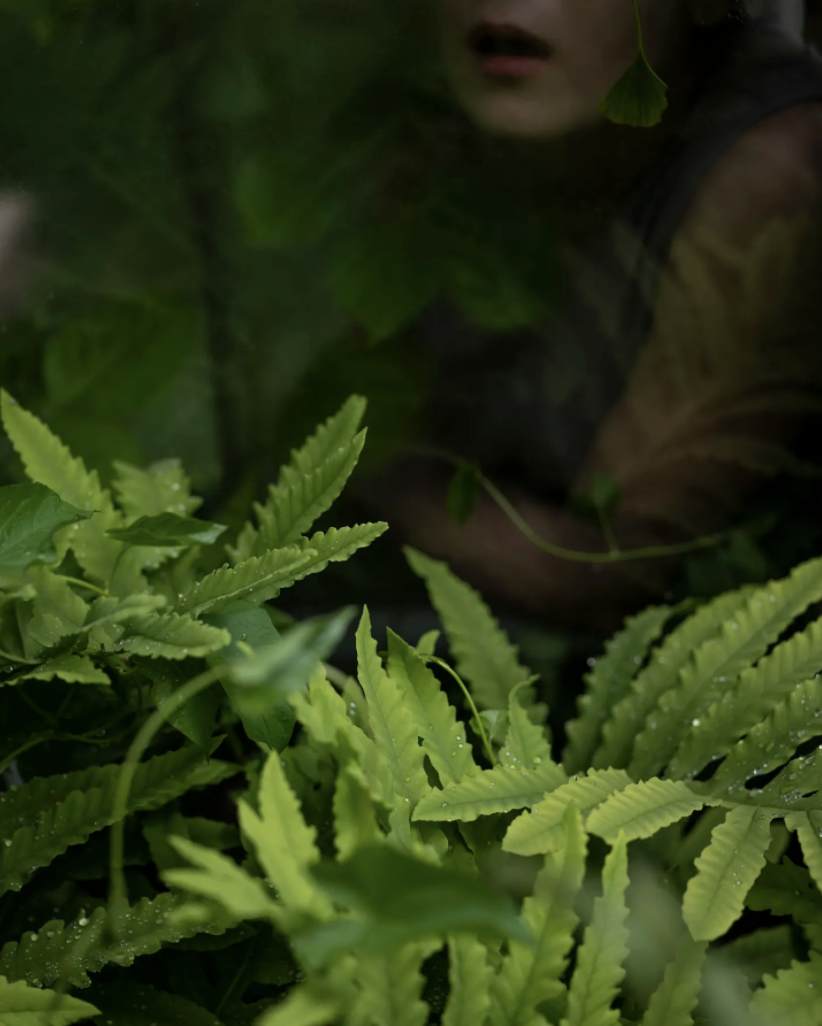
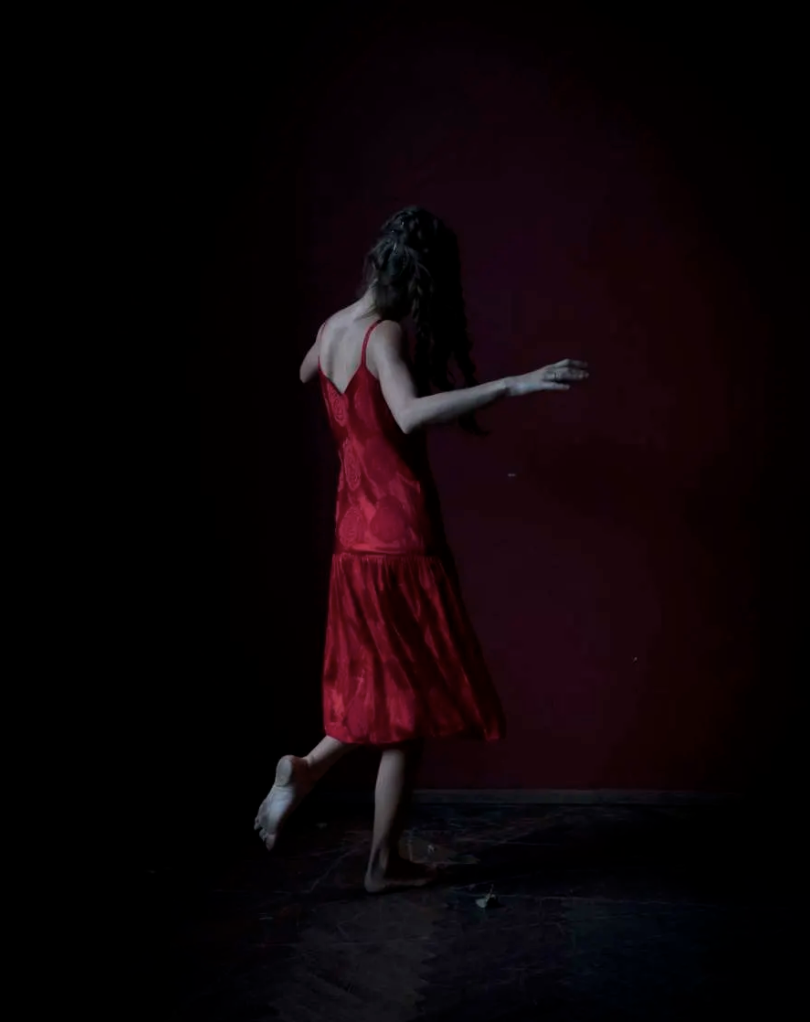
What I appreciate about Harvey’s work is also its breadth. Where one moment you can be playing along, dreaming of running into the snow or building an igloo, blink and you are suddenly wading through a dark moody lake. Blink again and you’re in a forest surrounded by all its luscious greenery. There may even be a butterfly landing next to you in this magical landscape. The rich, deeply saturated colors do their part to truly immerse you in the experience.

BLUE VIOLET: EAT FLOWERS

Another thing worth mentioning? Cig Harvey is not only a talented photographer, she is also a book author. Her books (yes, she has four now!) are sensorial gems full of poetry and warmth where the words and the perfect match for the images they accompany. Start with her first one, “You look at me like an emergency” that takes you on the quest for personal identity and finding your place in the world, then move on to “Gardening at Night” and its exploration of home, family, nature, and time, and then the third one, “You an Orchestra, You a Bomb” that explores her relationship with life itself paying attention to and appreciating the fragile present.
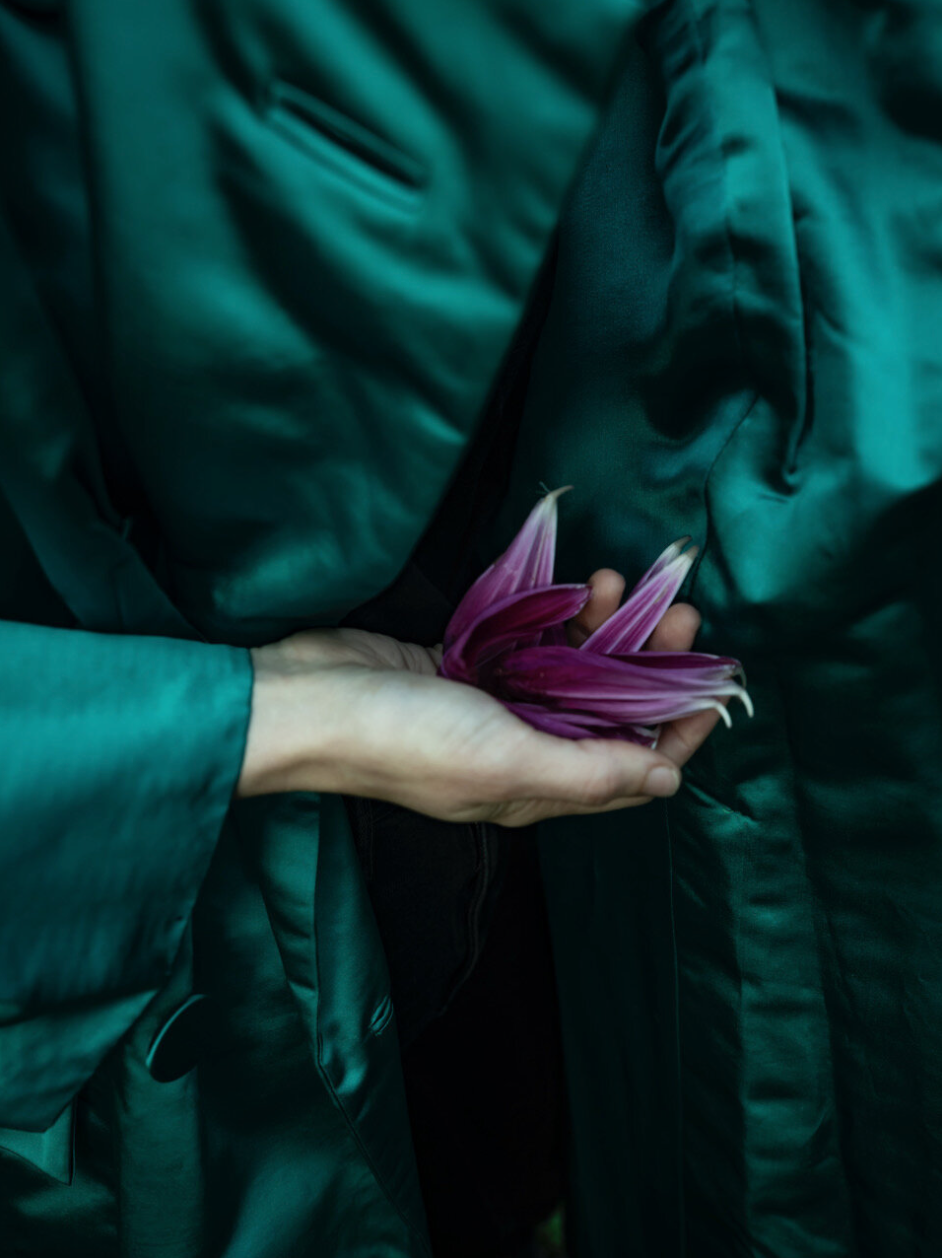
The just published fourth book, “Blue Violet” is an explosion of color and sensorial delight. Flip through and you’ll learn about Cig’s favorite color (pink), the secret to forcing blossoms in the middle of the winter (changing the water daily and loudly expressing a desperate desire for spring might play a role) and how to make delicious meals that, you guessed it, involve eating flowers. All wrapped among some of her most gorgeous imagery to-date. And I am very lucky to own one, signed by Cig herself.

Cig Harvey is represented by the Robert Mann Gallery in New York and by the Jackson Fine Art gallery in Atlanta. Her work is in permanent collections of the Museum of Fine Arts, Houston, Texas; the International Museum of Photography and Film at the George Eastman House, Rochester, New York; the Museum of Fine Arts, Boston; and the Farnsworth Art Museum, Rockland, Maine.

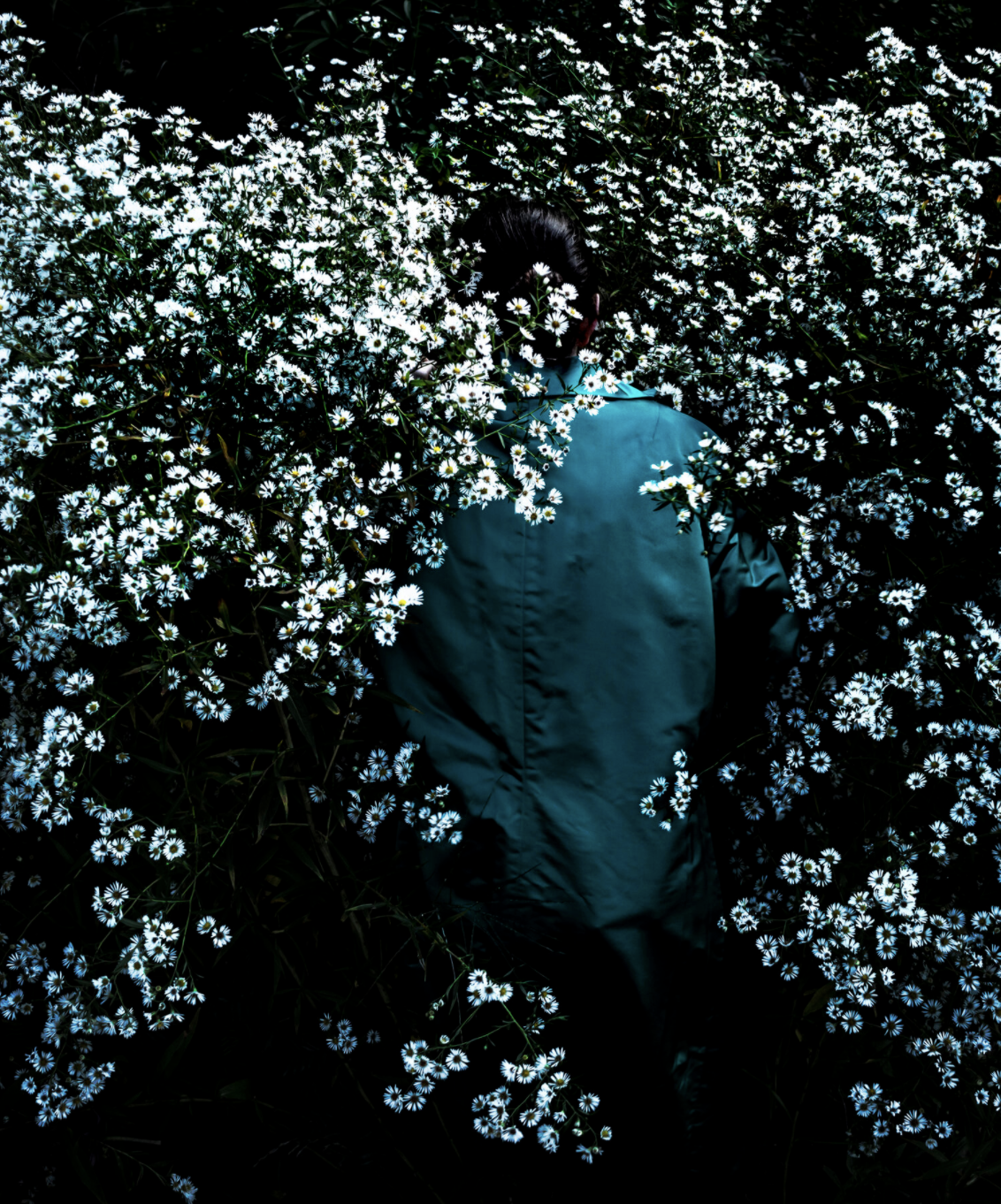
Cig Harvey: Emerald Coat with Dahlia Petal

Cig Harvey: Emerald Coat with Dahlia Petal

THE IMAGINATIVE LANDSCAPES OF FRENCH PHOTOGRAPHY

Corinne Mercadier: Angels

Corinne Mercadier: Angels

Sometimes you want to step out of your daily reality and explore a different world. For me, the answer lies in the imaginative landscapes of French photography. I have admired it ever since I brought one into my home. Let me introduce you to one of my favorites.

THE WORLD THROUGH THE EYES OF CORINNE MERCADIER

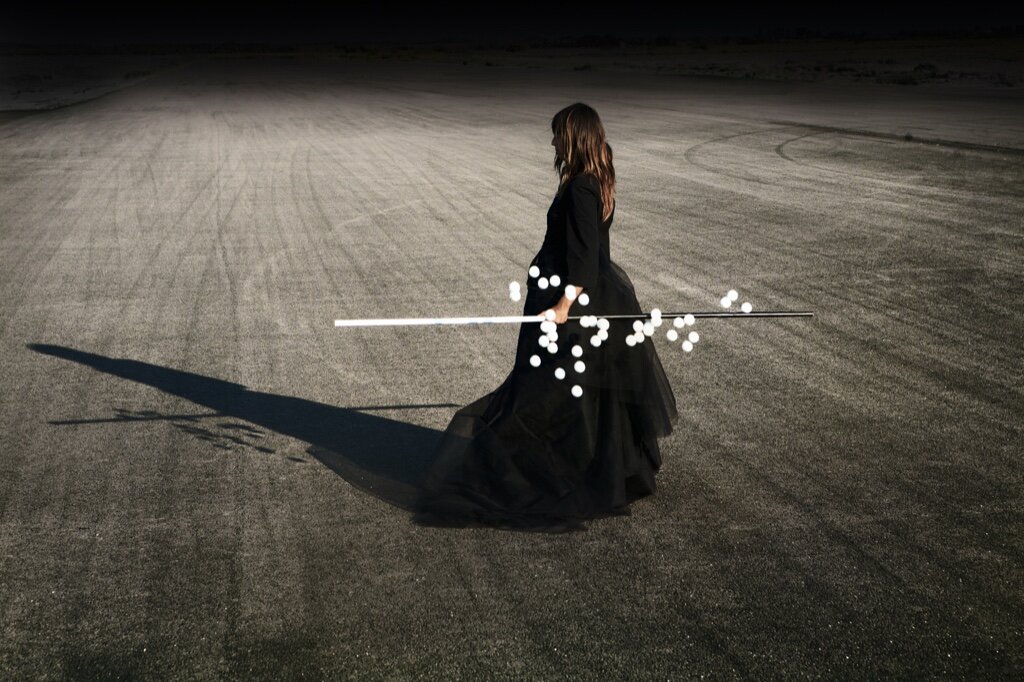
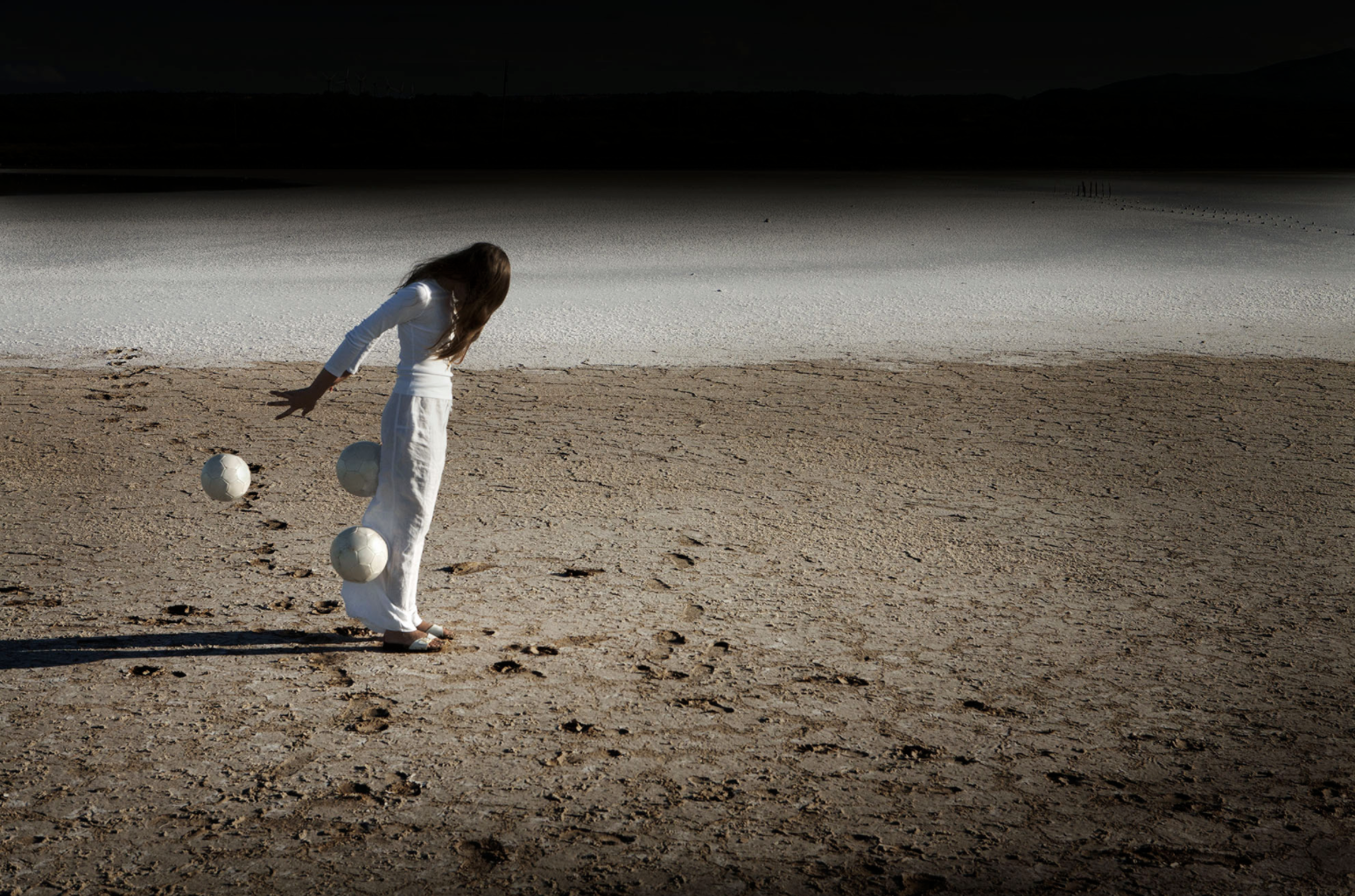
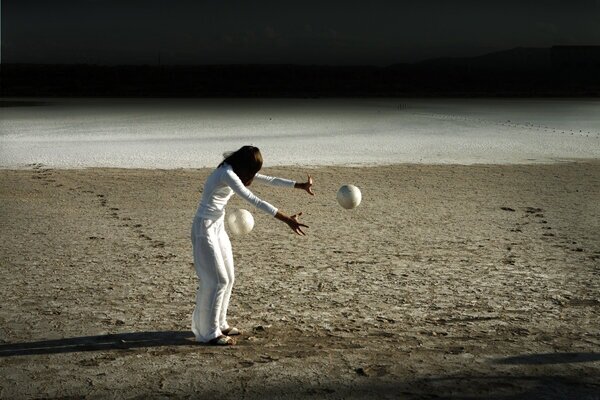
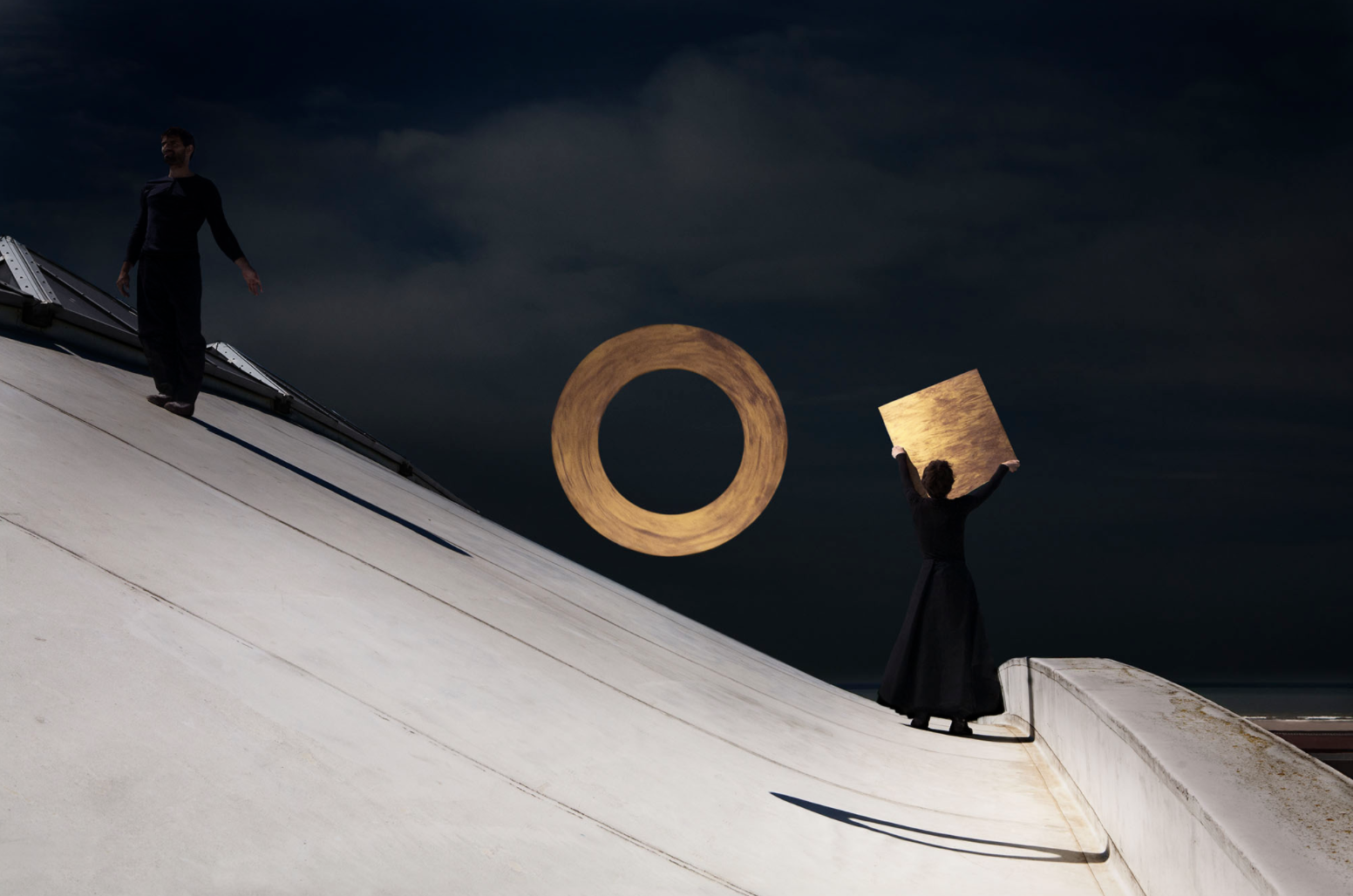
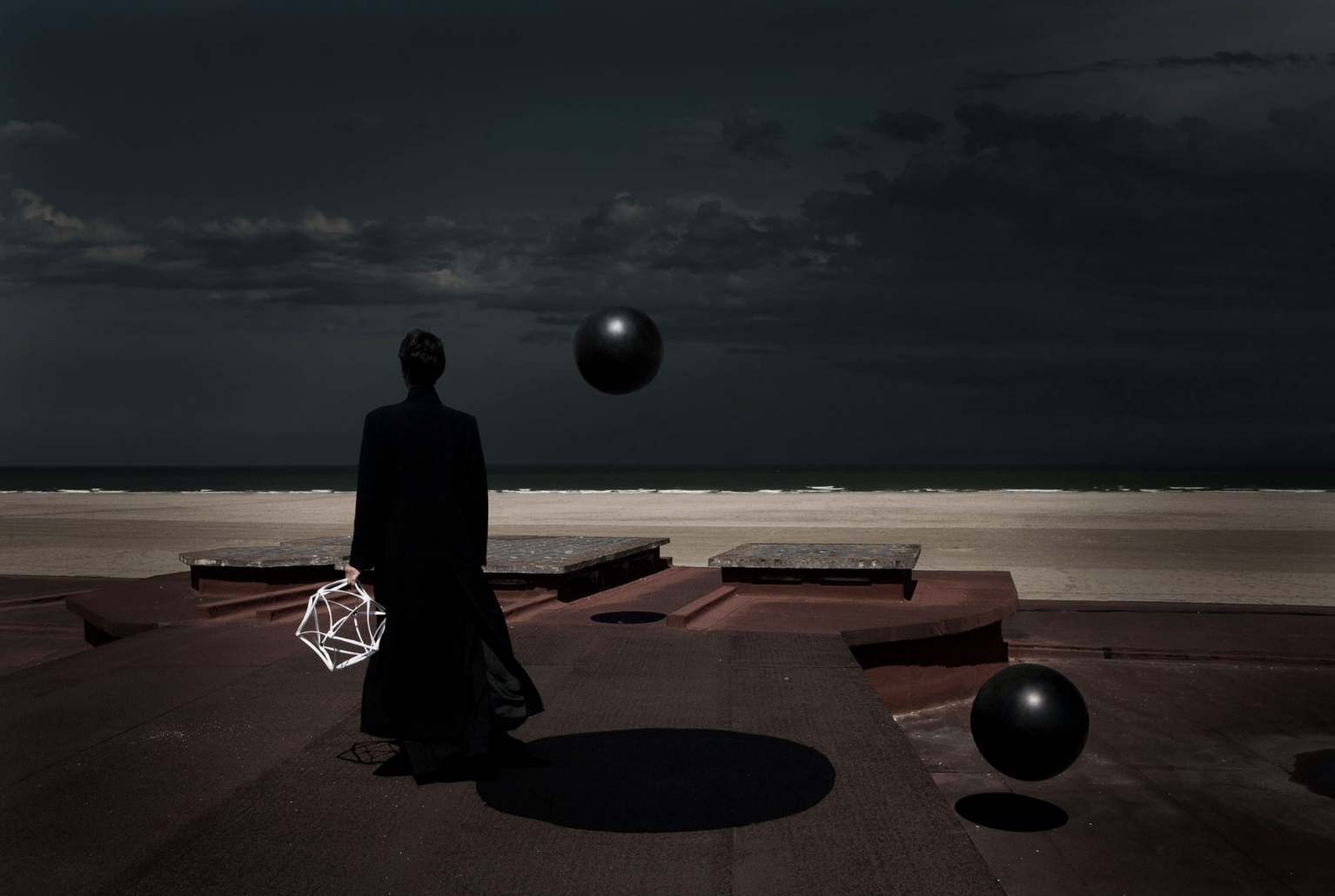
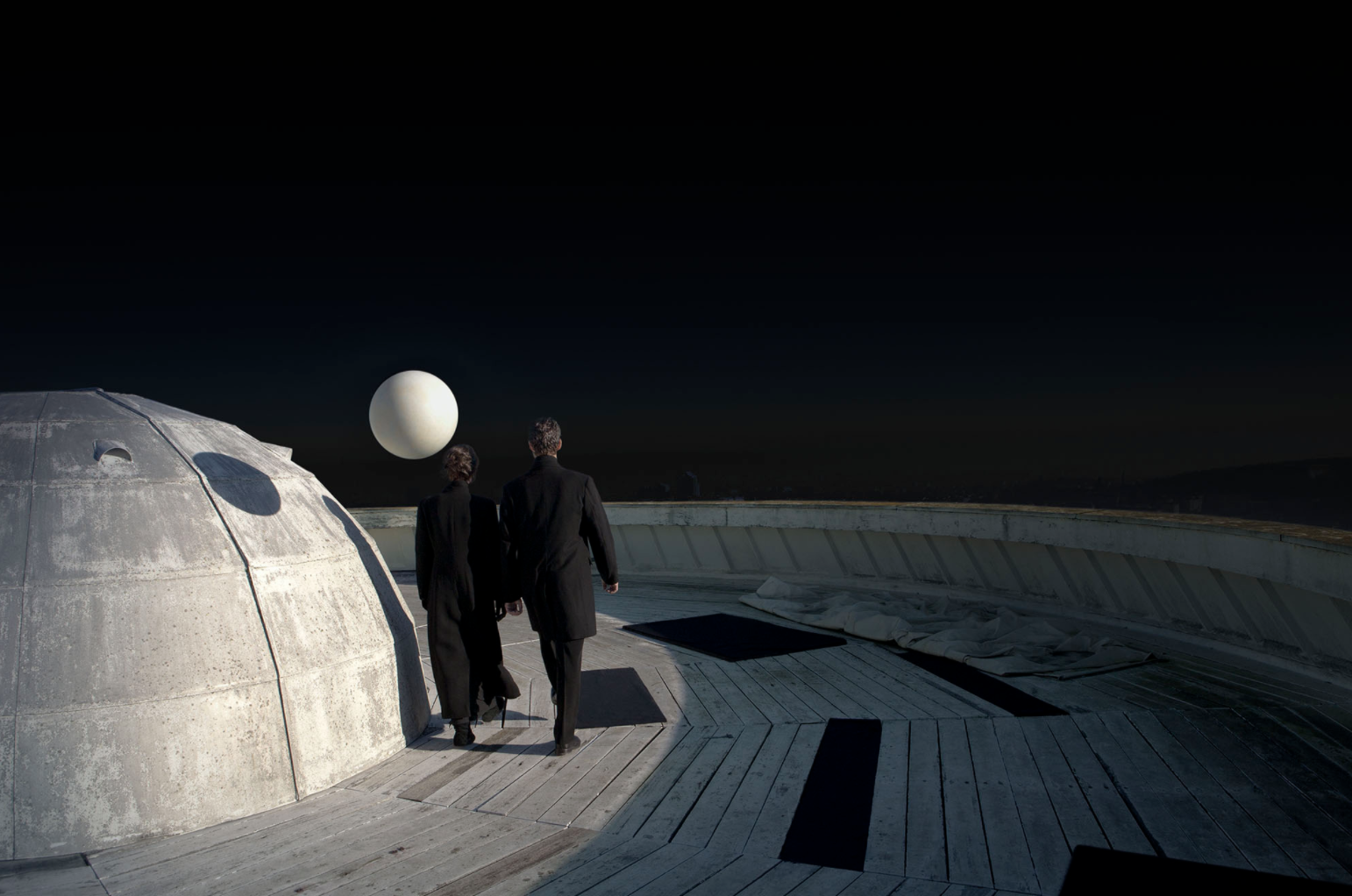
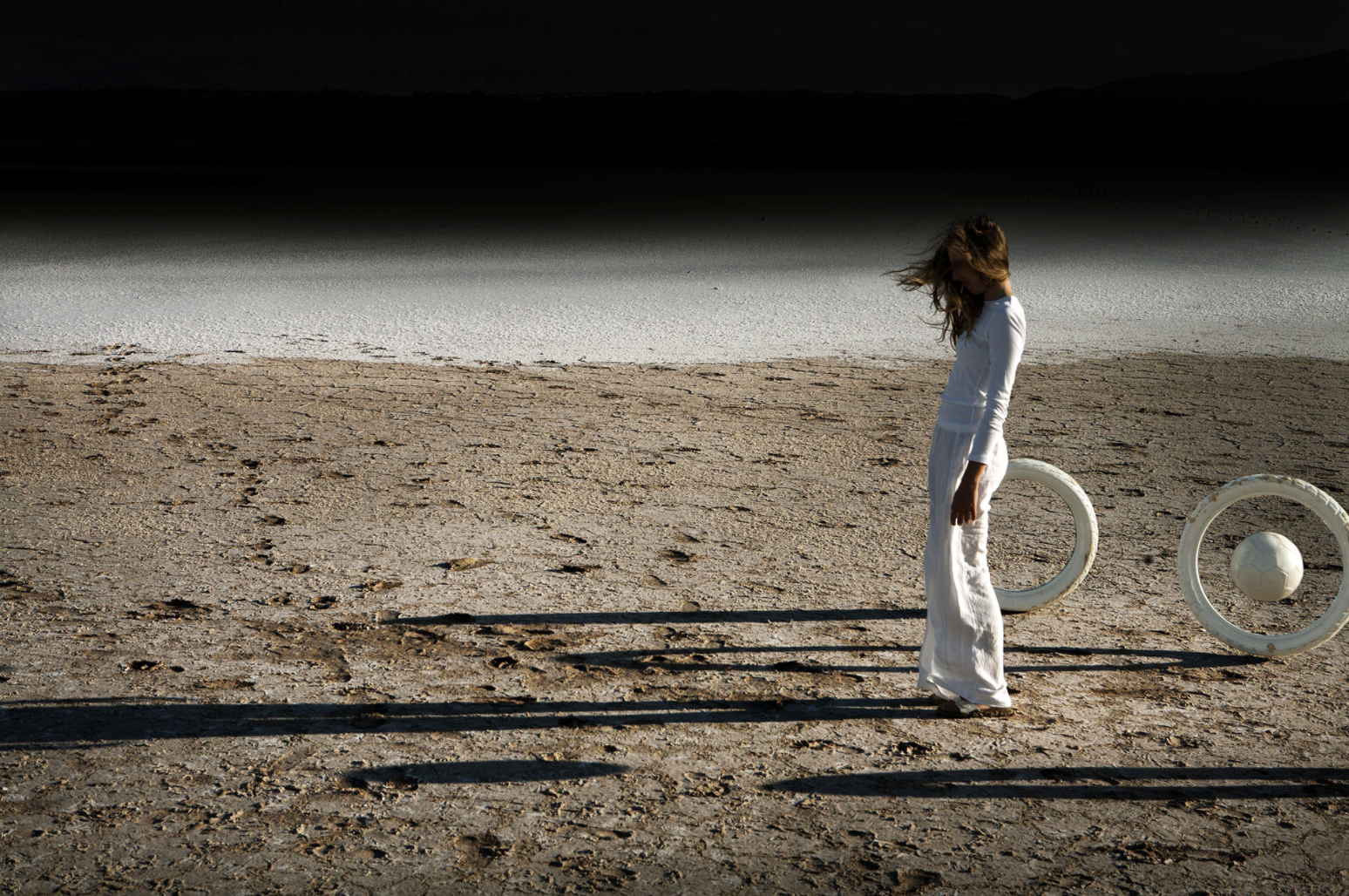
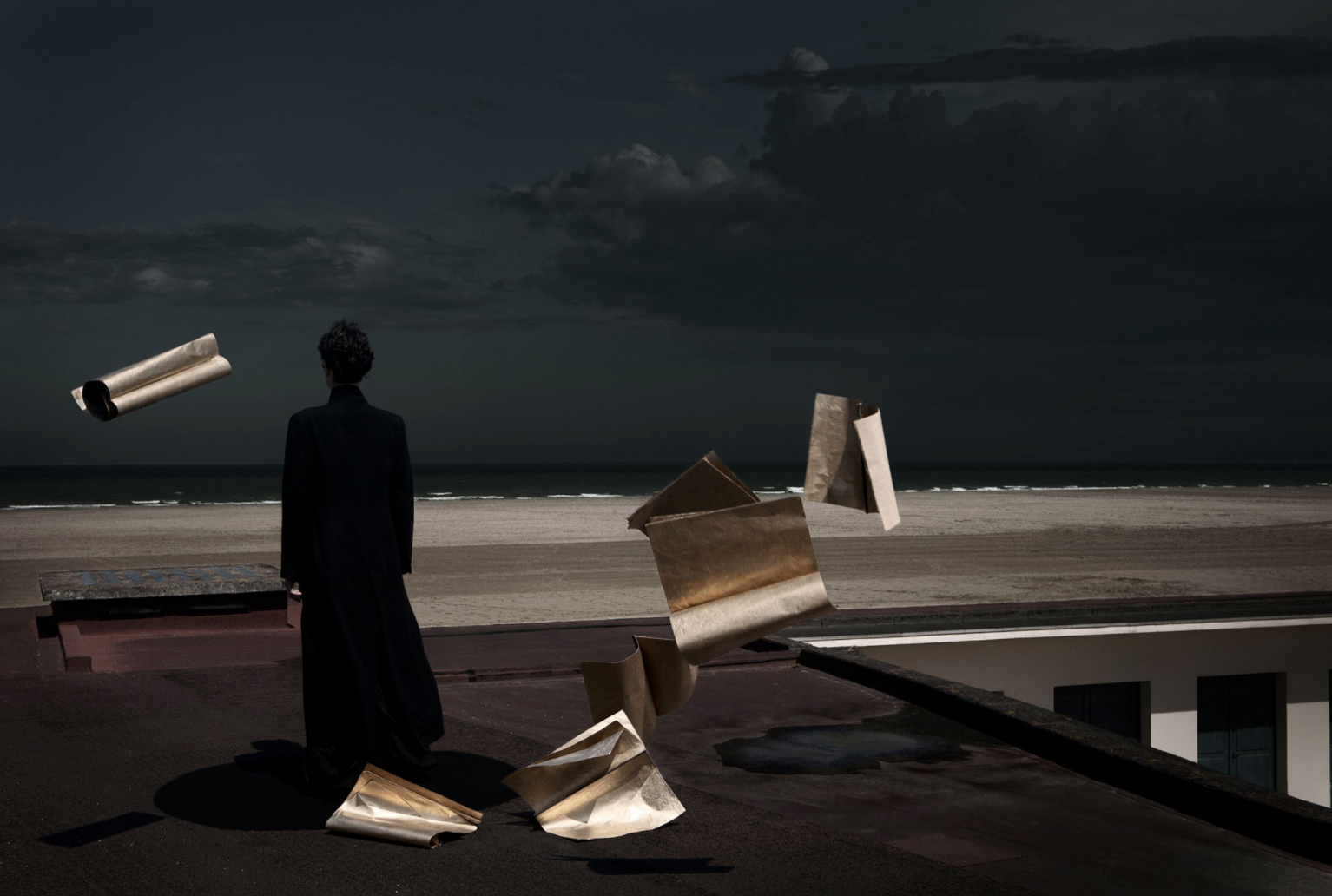
I first came across Corinne Mercadier’s work a few years back when I discovered the dreamy scenes of her 2009-2015 Solo Series. The darkened images, staged and shot on the Southwest Mediterranean beaches of Corinne’s childhood evoke memories and are full of playful props. The almost monochromatic landscapes reminiscent of lunar surfaces can feel solitary, but they still pull you in. Step in and see if you, too, can push that ball, twirl that stick, make magic. It’s only appropriate in a world where photographs carry mysterious names such as “Fata Morgana” and “Toute Pensée”. I fell in love with “Magnetik” and it still brings me joy every time I look at it in my home.

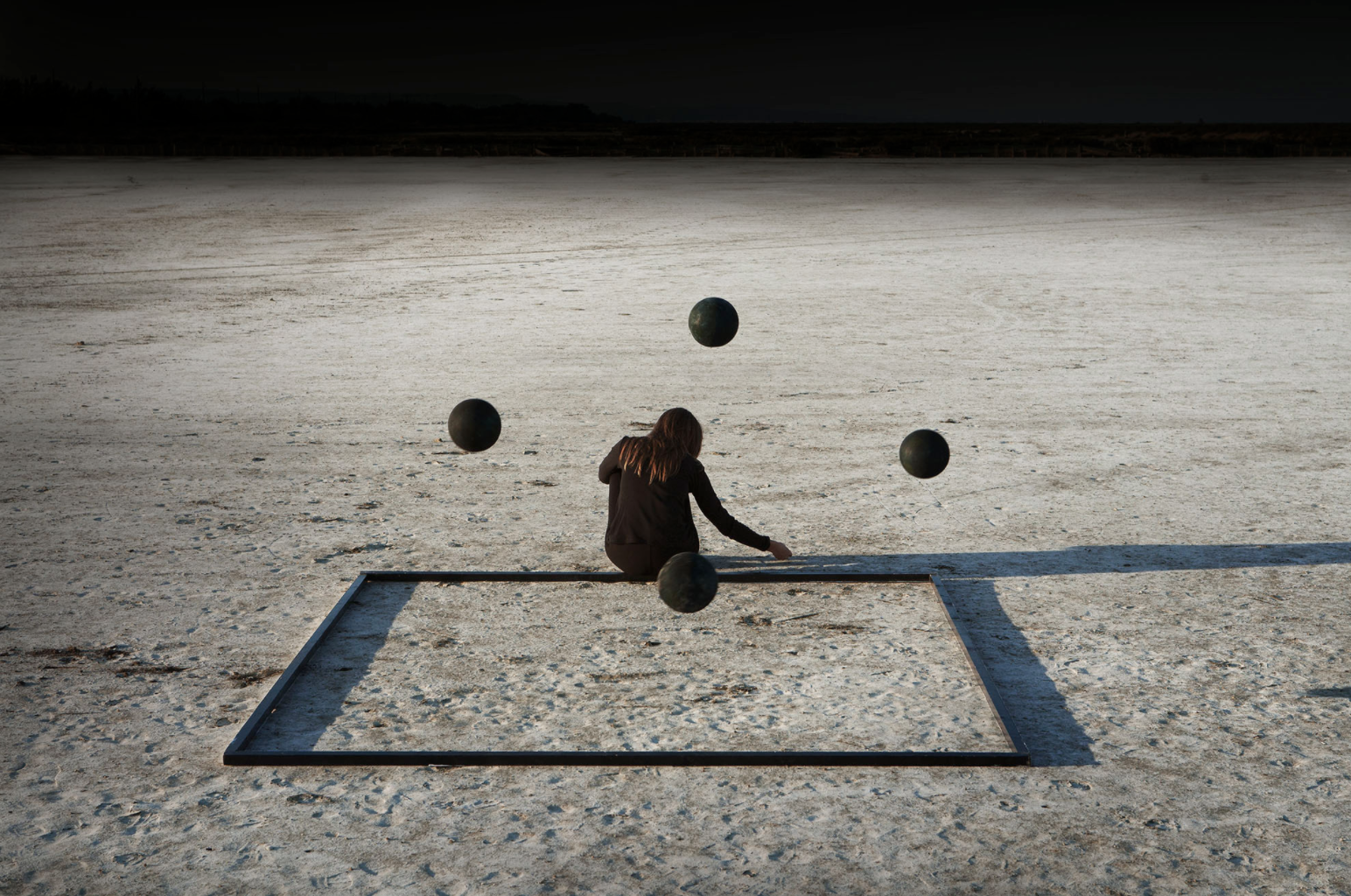
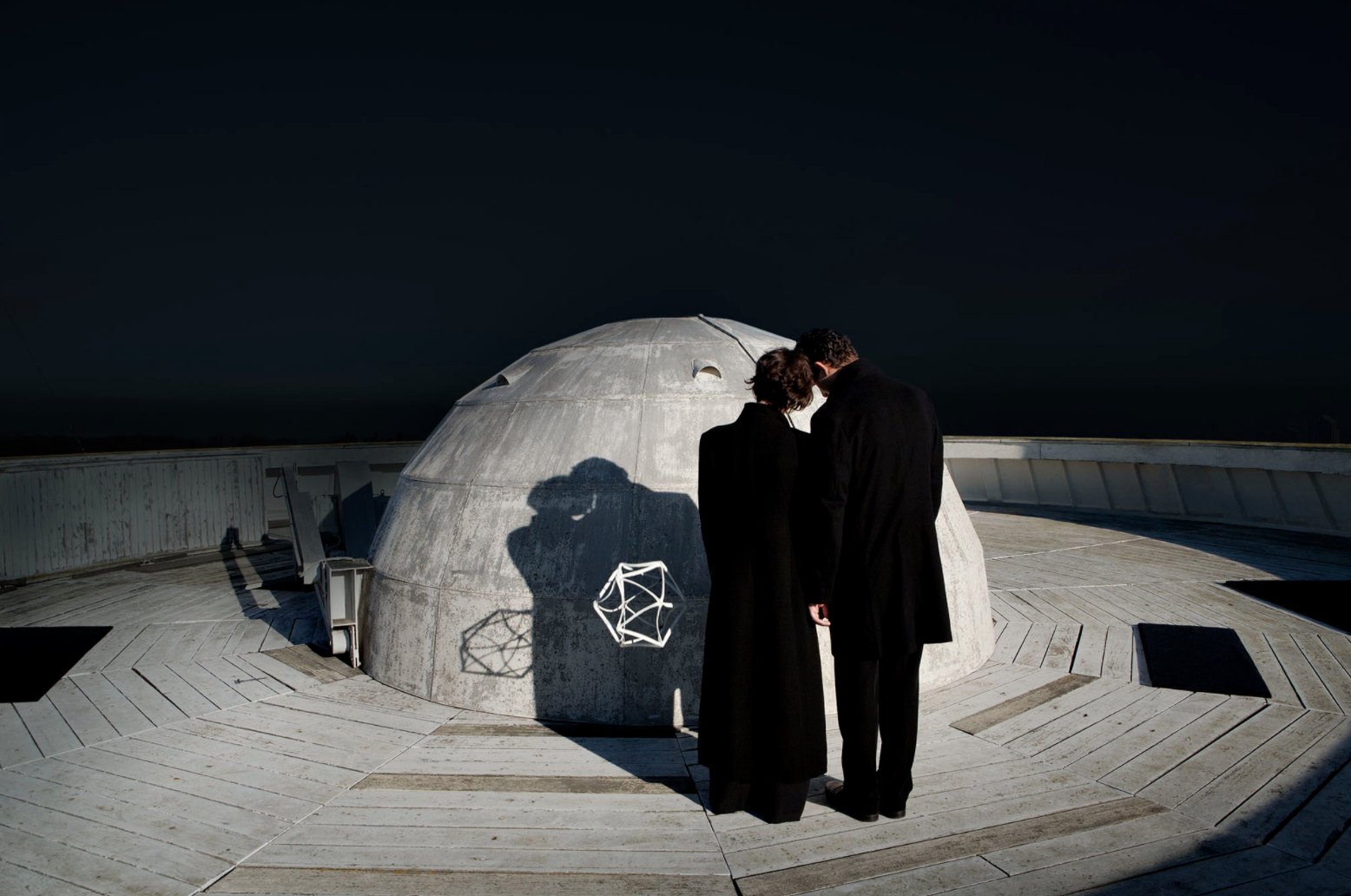
A few years later, I had a chance to revisit Corinne’s work. (Well, I never really left it, I kept returning to her website to see what she’s been up to.) She’s added more color while keeping the mystery and intrigue. The more recent (2015-2017) series aptly named “Le ciel commence ici” (“The sky begins here”) is busier, more theatrical and full of energy. Your eye can’t help but notice all the action: A sphere flying through the space, geometric objects that cast double shadows, nondescript people moving through the space. At times, it’s hard to see what’s suspended in the air and what’s moving at full speed. I like it just as much, if not more, than her previous work. I have a feeling I will be adding to my collection. The only hard choice is figuring out which piece I like the best.

Screen Shot 2021-04-11 at 9.43.01 AM.png

In recent years, Corinne’s moved back to a more monochromatic theme with her “Espace second” work that walks you through emptied mansions, down darkened hallways and past imposing doorways that invite you to take a peek what lies behind. And, as is now to be expected from Corinne’s work, throughout it all, your companion and guide remains anonymous, leaving you to imagine what story they would tell if only they could speak.

Corinne Mercadier started her photography career with a Polaroid SX70, which she used until 2008 before moving to digital photography. Her work continues to captivate audiences and she’s won awards for her celestially inspired work, including the Prix Altadis in 2001 and a finalist position at the Prix de l’Académie des Beaux-Arts Marc Ladreit de Lacharrière. Her photographs are in the collections of the Maison Européenne de la Photographie, Paris; FNAC, Paris; the Bibliothèque Nationale, Paris; and the Polaroid Corporation Collection. You can also find her work at the Galerie Les Filles du Calvaire in Paris, and at the Alan Klotz gallery in New York. You can also explore it directly on her website. I love Corinne’s work and I hope that you will, too.

All photos in this post are by Corinne Mercadier.

Screen Shot 2021-04-10 at 10.15.14 AM.png